

Construction sites are some of the most hazardous workplaces in the world. Every day, workers deal with heavy machinery, elevated work areas, electrical systems, moving vehicles, and constantly changing jobsite conditions. Despite strict safety rules and regulations, many incidents still happen for one simple reason, certain risks are still being ignored.
What makes this more concerning is that most accidents are not caused by complex situations. They are often the result of small safety habits being overlooked. The good news is that proper training and awareness can significantly reduce these risks. Let’s take a closer look at 10 construction site risks workers still ignore and how safety training helps prevent them.
1. Working at Heights Without Proper Precautions
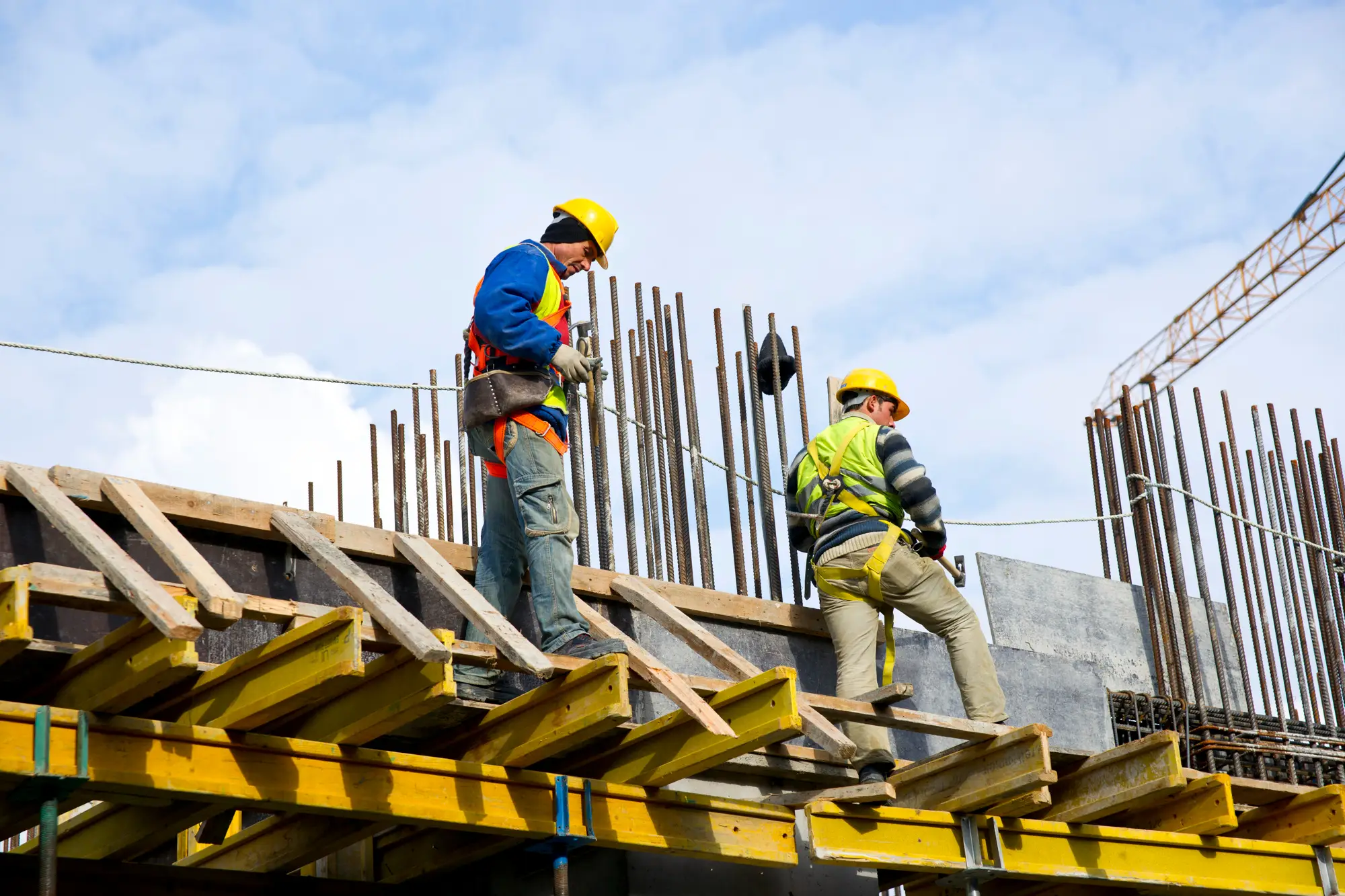
One of the biggest risks on any construction site is working at heights. Many workers still underestimate how quickly a fall can happen. Climbing ladders without securing them properly, working near open edges, or skipping safety harnesses are common mistakes.
This is where fall protection training plays a crucial role. It teaches workers how to identify fall hazards, use harnesses correctly, inspect equipment, and follow safe procedures when working above ground level. When workers understand the real risks, they are far more likely to take precautions seriously.
2. Ignoring Scaffold Safety Rules
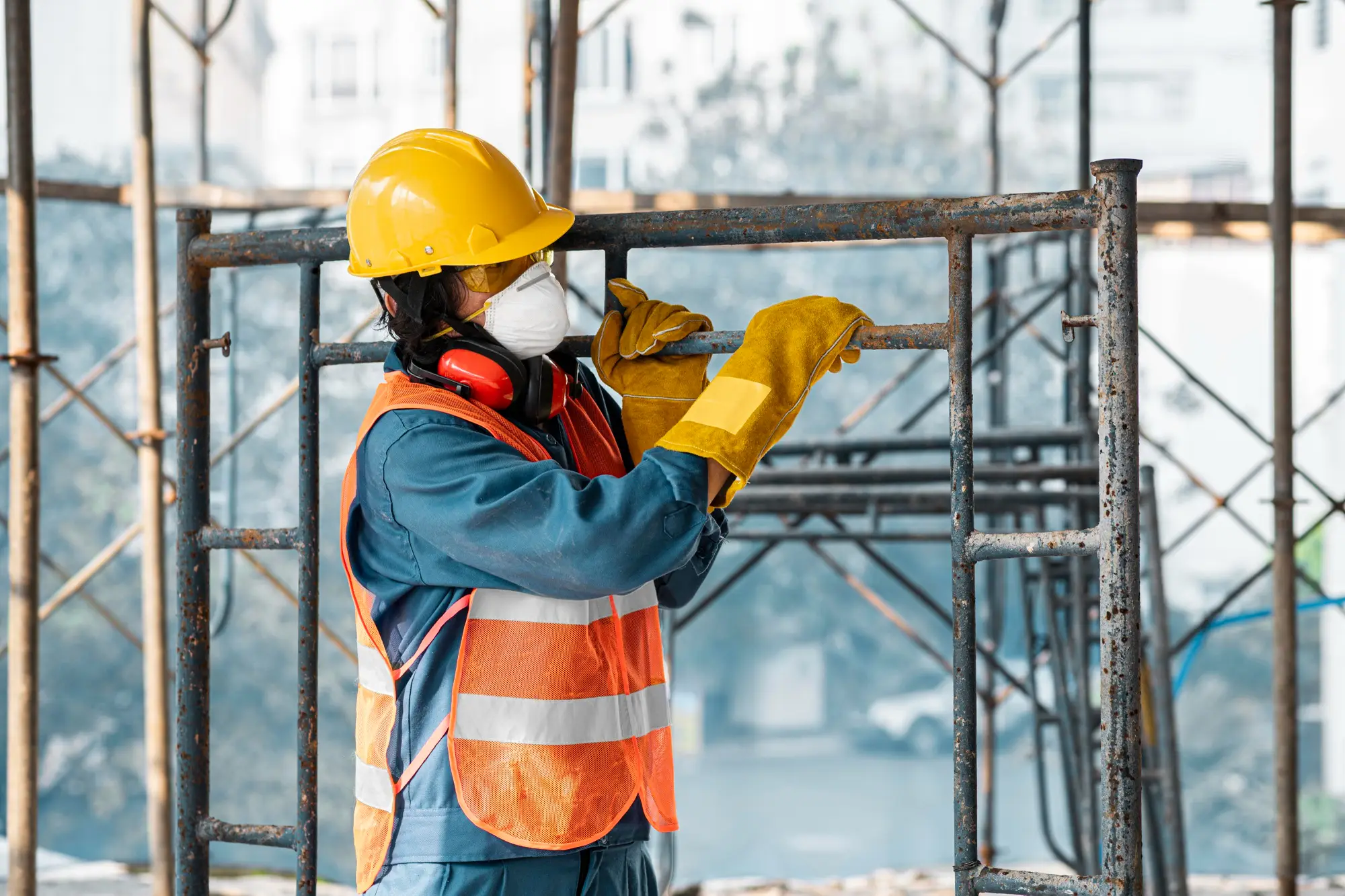
Scaffolds are used on almost every construction project, yet accidents related to scaffolding continue to happen. Workers often climb improperly assembled scaffolds, stand on unstable surfaces, or ignore load limits.
Proper scaffold safety training helps workers understand how scaffolds should be set up, inspected, and used. It also teaches them how to identify unsafe structures before stepping onto them. A few minutes of awareness can prevent serious injuries.
3. Poor Housekeeping on the Jobsite
Cluttered work areas are more dangerous than many people realize. Tools left on walkways, scattered materials, and loose cables can easily lead to slips, trips, and falls.
Safety training helps workers develop better housekeeping habits. When workers are trained to keep work areas clean and organized, the entire jobsite becomes safer and more efficient.
4. Lack of Awareness About Confined Spaces
Many workers don’t realize how dangerous confined spaces can be. Areas such as tanks, tunnels, pits, and small enclosed work zones can quickly become life-threatening if proper safety measures are not followed.
This is why confined space awareness training is essential. It helps workers recognize hazardous spaces, understand the risks of low oxygen levels, and follow safe entry procedures. Even basic awareness can save lives in situations where workers may otherwise underestimate the danger.
5. Improper Use of Personal Protective Equipment (PPE)
Most workers wear safety gear, but not everyone uses it properly. Helmets are sometimes worn loosely, gloves are removed for convenience, and eye protection is often ignored during short tasks.
Safety training reminds workers that PPE is not optional. It explains when to use specific protective equipment and how to use it correctly. Once workers understand the purpose behind each item, they are more likely to use it consistently.
6. Overconfidence Around Heavy Equipment
Construction workers often work close to cranes, forklifts, and other heavy machinery. Over time, some workers become too comfortable around equipment and stop paying attention to safety zones.
Training programs help workers stay alert and understand the risks of working near moving equipment. They also learn how to communicate clearly with operators and avoid unsafe positions on the jobsite.
7. Ignoring Hazard Communication
Construction sites involve many materials that can be hazardous if not handled correctly. Paints, solvents, adhesives, and other substances may contain harmful chemicals. However, workers sometimes ignore safety labels or instructions.
Hazard awareness training teaches workers how to read safety information, recognize warning signs, and handle materials safely. When workers understand the risks, they are far less likely to take shortcuts.
8. Working Without Proper Planning
Rushing into a task without proper planning is one of the most common causes of accidents. Workers may skip site assessments, ignore risk evaluations, or begin work without the right tools.
Safety training encourages workers to pause and assess risks before starting any task. Even a short safety check can prevent injuries and improve overall jobsite performance.
9. Poor Communication Between Workers
Construction projects often involve multiple teams working together. When communication breaks down, workers may not be aware of nearby hazards, equipment movement, or changing site conditions.
Training programs emphasize the importance of clear communication and teamwork. Workers learn how to share safety information, report hazards, and work together more effectively.
10. Assuming “It Won’t Happen to Me”
One of the most overlooked risks is mindset. Some workers believe accidents only happen to others. This overconfidence can lead to dangerous shortcuts and unsafe behavior.
Safety training changes this mindset by showing real examples of workplace incidents and explaining how easily accidents can happen. When workers understand the consequences, they are more likely to take safety seriously every day.
How Training Helps Reduce Construction Site Risks
Safety training is not just about following rules, it’s about building awareness. When workers receive proper training, they learn how to recognize hazards before they become serious problems. They also gain confidence in using safety equipment and following safe procedures.
Training programs that address common workplace hazards play an important role in improving overall jobsite safety. By helping workers recognize potential risks and follow safe work practices, these programs build awareness and encourage more responsible decision-making on site. When workers are better prepared to identify and manage hazards, it contributes to a safer and more confident workforce.
Building a Stronger Safety Culture on Construction Sites
Construction safety is not the responsibility of one person. It requires commitment from employers, supervisors, and workers. When everyone understands the risks and takes safety seriously, the entire jobsite becomes more efficient and productive.
Investing in proper safety training does more than prevent injuries, it builds trust, improves performance, and supports long-term success. Workers feel more confident, employers reduce risks, and projects run more smoothly.
Final Thoughts
Construction sites will always involve risks, but many accidents can be prevented with the right knowledge and training. By focusing on common hazards like working at heights, scaffold safety, and confined space awareness, companies can significantly improve jobsite safety.
When workers are properly trained, they don’t just follow safety rules, they understand them. And that understanding is what truly makes a difference.