

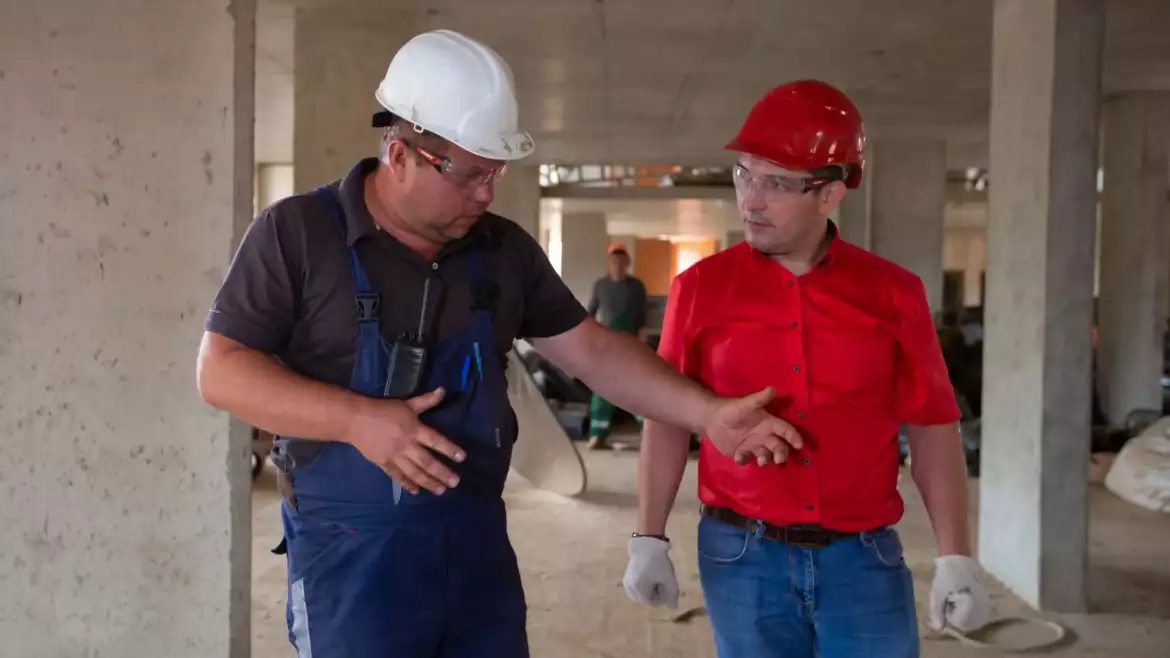
Workplace safety is not just about responding to accidents or providing employees with protective equipment. Employers also have a responsibility to take reasonable steps to identify hazards, reduce risks, and maintain safe working conditions. This responsibility is commonly known as due diligence, and it plays an important role in preventing workplace injuries, protecting employees, and supporting a strong safety culture.
Whether a business operates in construction, transportation, manufacturing, warehousing, or another industry, understanding workplace safety responsibilities can make a significant difference. A proactive approach helps organizations recognize potential problems before they lead to serious incidents.
What Does Due Diligence Mean in Workplace Safety?
Due diligence refers to the reasonable precautions and actions an employer takes to prevent workplace accidents, injuries, and occupational illnesses. It involves demonstrating that appropriate efforts have been made to identify hazards, implement safety measures, provide training, and monitor workplace conditions.
Simply having a safety policy does not necessarily demonstrate due diligence. Employers must ensure that their safety procedures are put into practice and that employees understand how to follow them.
For example, a construction company may have rules requiring workers to wear fall protection equipment. However, due diligence also involves checking that the equipment is suitable, properly maintained, and used correctly. Supervisors must monitor work activities and address unsafe conditions when they arise.
The goal is to make safety an ongoing responsibility rather than a one-time administrative task.
Why Is Due Diligence Important for Employers?
Taking reasonable precautions benefits both employees and the organization. When safety responsibilities are taken seriously, businesses can reduce workplace risks and improve daily operations.
Some important benefits include:
Preventing Workplace Accidents
Regular inspections, hazard assessments, and employee training help identify potential dangers before someone gets hurt. Addressing issues early can prevent incidents involving machinery, hazardous substances, slips, trips, falls, and other common workplace hazards.
Meeting Legal Responsibilities
Canadian workplace health and safety legislation places responsibilities on employers to protect workers. The specific requirements vary by province, territory, and industry. Demonstrating due diligence can help establish that an employer took reasonable steps to meet applicable safety obligations.
Reducing Operational Disruptions
Workplace accidents can result in equipment damage, lost productivity, investigations, and unexpected expenses. Preventive safety measures help organizations maintain smoother operations and reduce avoidable interruptions.
Building Employee Confidence
Employees are more likely to follow safety procedures when they see that management takes their well-being seriously. Consistent safety practices also encourage workers to report hazards and participate in prevention efforts.
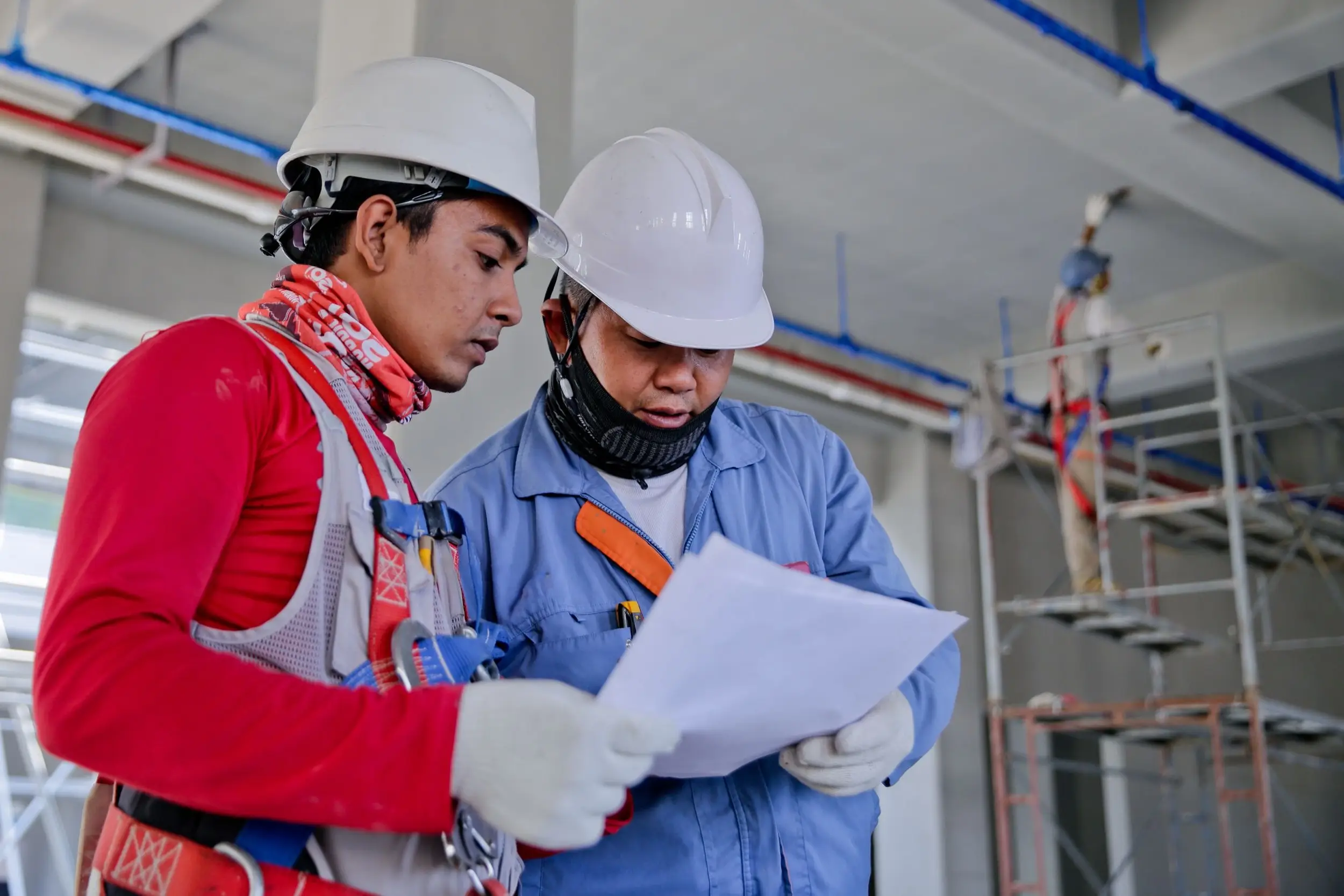
Key Steps Employers Should Take to Demonstrate Due Diligence
Due diligence requires consistent action. Employers should develop practical procedures that address the actual risks associated with their workplaces.
Identify Hazards and Assess Workplace Risks
The first step is understanding what could cause harm. Employers should regularly inspect work areas, review job tasks, and identify potential hazards associated with equipment, materials, and working conditions.
For example, warehouse operations may involve forklift traffic, unstable loads, and pedestrian movement. Construction sites may present fall hazards, underground utility risks, and heavy equipment blind spots.
Once hazards are identified, employers should assess their severity and likelihood, then introduce appropriate controls. These assessments should also be reviewed whenever work processes, equipment, or site conditions change.
Establish Clear Safety Policies and Procedures
Employees need clear instructions about how to perform their duties safely. Written safety policies should explain workplace expectations, hazard reporting procedures, emergency responses, and responsibilities for different roles.
However, policies are only useful when employees understand and follow them. Employers should communicate procedures regularly and ensure supervisors apply them consistently.
Provide Appropriate Safety Training
Training is an essential part of workplace due diligence. Employees should receive instruction that matches their job responsibilities, workplace hazards, and equipment requirements.
For instance, workers operating forklifts, overhead cranes, or aerial lifts need appropriate knowledge of operating procedures and associated risks. Employees handling hazardous materials should also understand relevant precautions and emergency procedures.
Employers should maintain training records, monitor employee competency, and arrange refresher training when necessary. Developing strong safety awareness among employees can also help them recognize unsafe conditions and make better decisions throughout the workday.
Maintain Equipment and Personal Protective Equipment
Defective equipment and damaged protective gear can create serious workplace risks. Employers should establish inspection and maintenance schedules for machinery, vehicles, tools, and safety equipment.
Workers should know how to identify damaged equipment and report problems before continuing their tasks. Personal protective equipment should be appropriate for the hazards involved and maintained in usable condition.
Monitor Workplace Activities
Safety responsibilities do not end after training and policy development. Employers and supervisors should regularly observe work activities to confirm that procedures are being followed.
Workplace inspections, safety meetings, and conversations with employees can reveal problems that may otherwise go unnoticed. When unsafe practices are identified, corrective action should be taken promptly.

The Role of Supervisors in Workplace Due Diligence
Supervisors play an important role in connecting management’s safety expectations with everyday workplace activities. They are often the first people to notice unsafe behaviour, equipment problems, or changing site conditions.
Effective supervisors communicate expectations, encourage hazard reporting, provide guidance, and ensure corrective measures are implemented. They should also understand when a task needs to be stopped because conditions are unsafe.
Developing strong leadership for safety helps supervisors move beyond simply enforcing rules. It encourages them to lead by example, support employee participation, and make safety a consistent part of operational decisions.
When supervisors and management work together, safety responsibilities become clearer across the organization.
Keep Accurate Safety Records and Review Incidents
Documentation helps employers demonstrate that appropriate safety measures are being implemented. Important records may include:
-
- Workplace hazard assessments and inspection reports.
- Employee training and competency records.
- Equipment maintenance and inspection logs.
- Safety meeting minutes and communication records.
- Incident, near-miss, and corrective action reports.
These records should be accurate, accessible, and regularly updated. Employers should also investigate incidents and near misses to understand what went wrong and identify opportunities for improvement.
A reported incident should not simply be closed after the immediate problem is addressed. Organizations should examine whether existing procedures, training, or control measures need to change to prevent similar events.
Make Due Diligence an Ongoing Workplace Commitment
Due diligence is not achieved by completing a checklist or creating a safety manual. It requires employers to remain involved in workplace safety, respond to changing conditions, and make reasonable efforts to prevent harm.
From identifying hazards and maintaining equipment to providing training and monitoring employee practices, every action contributes to a safer working environment.
Employers who take these responsibilities seriously can create workplaces where employees understand their roles, supervisors lead by example, and potential hazards are addressed before they become serious problems.
Ultimately, effective workplace safety begins with consistent action. By making prevention part of everyday operations, organizations can protect their workforce, strengthen accountability, and build a safer and more responsible working environment.