

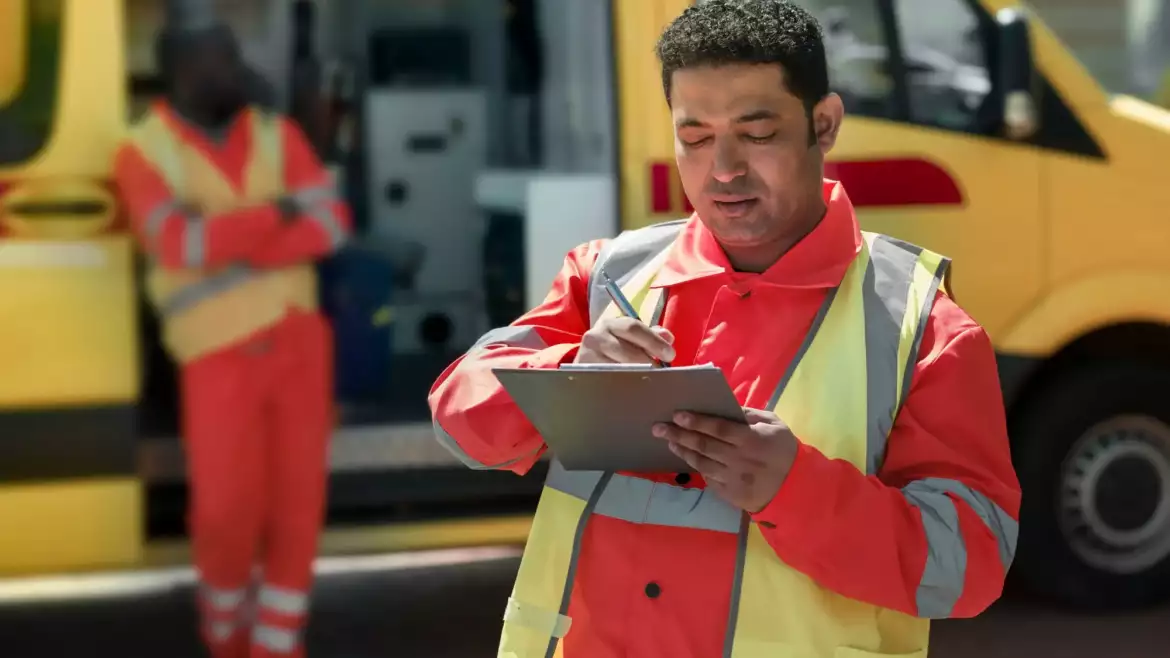
Emergencies in the workplace are unpredictable. They can happen without warning and escalate quickly, putting workers, operations, and entire organizations at risk. From fires and chemical spills to medical emergencies and natural disasters, the ability to respond effectively can make all the difference.
Yet, many workplaces assume they are prepared simply because they have basic procedures in place. The reality is that emergency preparedness goes far beyond having a plan on paper. The real question is: are your workers truly ready to respond when it matters most?
Why Emergency Preparedness Matters
Every workplace, regardless of industry, faces potential emergencies. While some risks are more common in high-hazard environments, even offices and low-risk workplaces are not immune to unexpected incidents.
The impact of poor preparedness can be severe. Injuries, loss of life, operational disruptions, and financial losses are just some of the consequences. On the other hand, a well-prepared workforce can respond quickly, minimize damage, and help maintain control during critical situations.
Emergency preparedness is not just about compliance, it’s about protecting people and ensuring business continuity.
Common Workplace Emergencies
Understanding the types of emergencies that can occur is the first step toward being prepared. Some of the most common workplace emergencies include:
- Fires and explosions
- Medical emergencies or injuries
- Chemical spills or hazardous material exposure
- Equipment failures
- Natural disasters such as floods or earthquakes
- Workplace violence incidents
Each type of emergency requires a different response, which is why workers need proper training and clear procedures to follow.

The Gap Between Planning and Readiness
Many organizations have emergency response plans, but not all workers are familiar with them. In some cases, employees may not even know where emergency exits are located or how to use safety equipment.
This gap between planning and actual readiness can lead to confusion and panic during emergencies. A plan is only effective if workers understand it, remember it, and can apply it under pressure.
Training is what turns a written plan into real-world action.
The Role of Safety Training
Proper safety training is essential for preparing workers to handle emergencies confidently. Training helps employees understand potential risks, recognize warning signs, and respond appropriately.
For example, first aid training equips workers with the skills to assist injured coworkers until professional help arrives. Knowing how to respond in the first few minutes of an emergency can significantly improve outcomes.
Similarly, training in hazard awareness ensures that workers can identify dangerous situations early and take preventive measures. When employees are trained, they are less likely to panic and more likely to follow established procedures.
Building a Strong Emergency Response Plan
An effective emergency response plan should be clear, practical, and easy to follow. It should outline specific actions workers need to take in different scenarios.
Key elements of a strong plan include:
- Clearly marked emergency exits and evacuation routes
- Assigned roles and responsibilities for workers
- Communication procedures during emergencies
- Access to emergency equipment such as fire extinguishers and first aid kits
- Regular updates to reflect changes in the workplace
However, having a plan is only the beginning. Workers must be trained to understand and practice these procedures regularly.

The Importance of Drills and Practice
One of the most effective ways to prepare workers for emergencies is through drills and simulations. Practice helps employees become familiar with procedures and builds confidence in their ability to respond.
Fire drills, evacuation exercises, and emergency response simulations allow workers to experience real-life scenarios in a controlled environment. This hands-on approach helps identify gaps in the plan and ensures that everyone knows their role.
Without practice, even the best plans can fail when faced with real emergencies.
Communication Is Key
During an emergency, clear communication can save lives. Workers need to know how to report incidents, who to contact, and how to receive instructions.
Organizations should establish reliable communication systems, such as alarms, public address systems, or mobile alerts. Workers should also be trained on how to communicate effectively during high-stress situations.
Strong communication reduces confusion and ensures that everyone receives accurate information quickly.
Creating a Culture of Preparedness
Emergency preparedness is not a one-time effort, it is an ongoing process that requires commitment from both employers and employees. Building a culture of preparedness means making safety a part of everyday operations.
In a prepared workplace:
- Employees are encouraged to report hazards and concerns
- Training is provided regularly and updated as needed
- Safety procedures are reinforced through daily practices
- Workers take responsibility for their own safety and the safety of others
A strong safety culture ensures that preparedness becomes second nature, rather than something workers think about only during emergencies.
The Benefits of Being Prepared
Investing time and effort into emergency preparedness offers significant benefits. It not only protects workers but also strengthens the organization as a whole.
Prepared workplaces experience:
- Faster and more effective emergency response
- Reduced risk of injuries and fatalities
- Less disruption to operations
- Improved employee confidence and morale
- Stronger compliance with safety regulations
When workers feel prepared, they are more confident in their ability to handle unexpected situations, which leads to better overall performance.
Final Thoughts
Emergencies are unpredictable, but the way organizations respond to them does not have to be. Being truly prepared means going beyond written plans and ensuring that workers have the knowledge, training, and confidence to act when it matters most.
With access to comprehensive safety training and courses, organizations can equip their teams with the skills needed to respond effectively in any situation. From hazard awareness to emergency response training, the right programs help build a workforce that is ready, resilient, and safety-focused.
In the end, emergency preparedness is about protecting lives, reducing risks, and creating a workplace where safety is always a priority.