
Workplace safety is not just about following rules, it’s about understanding risks before they turn into incidents. Every job, whether in construction, manufacturing, transportation, or even office settings, comes with its own set of hazards. The ability to identify these hazards and assess their risks is one of the most important skills any worker can have.
That’s where hazard identification and risk assessment come in. These processes form the foundation of a strong safety program and play a key role in preventing workplace injuries, improving productivity, and building a proactive safety culture.
What Is Hazard Identification and Risk Assessment?
Hazard identification is the process of recognizing anything in the workplace that has the potential to cause harm. A hazard can be physical, chemical, biological, or even ergonomic, anything that could lead to injury, illness, or damage.
Risk assessment, on the other hand, involves evaluating how likely it is that a hazard will cause harm and how severe that harm could be.
Together, these two steps help organizations understand workplace dangers and take action before accidents happen. They are not one-time activities but ongoing processes that must be revisited as workplaces, equipment, and tasks evolve.
Why Hazard Identification Matters
Many workplace incidents occur simply because hazards were not recognized in time. In fact, failing to identify hazards is considered one of the root causes of injuries and workplace incidents.
When workers and employers actively identify hazards, they can:
- Prevent accidents before they happen
- Reduce injuries and health risks
- Improve overall workplace safety
- Ensure compliance with safety regulations
Hazard identification is not just the responsibility of supervisors or safety officers, every worker plays a role. Workers are often the first to notice unsafe conditions, making their awareness and involvement critical.
Common Types of Workplace Hazards
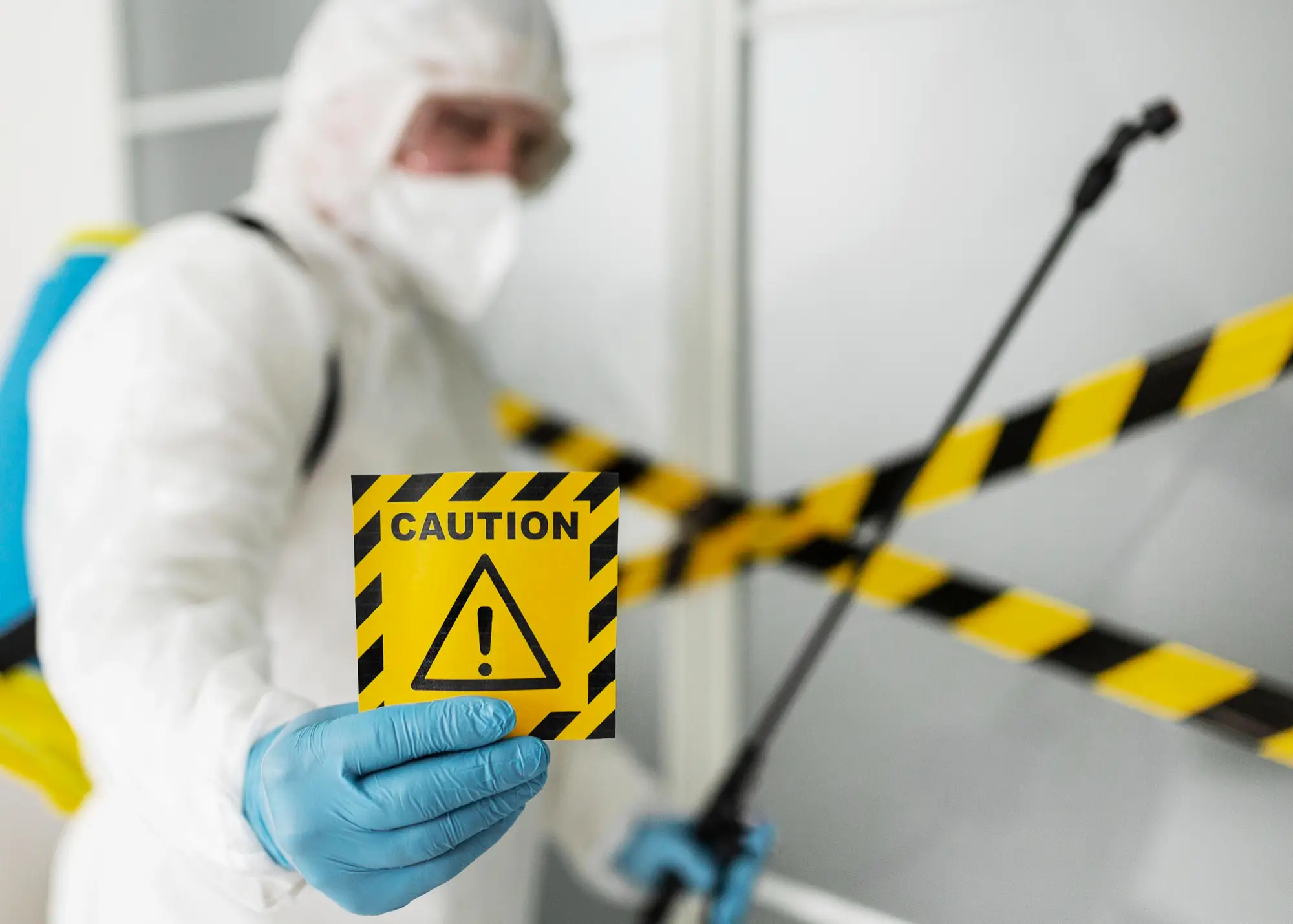
Understanding different types of hazards is essential for effective risk assessment. Most workplace hazards fall into a few main categories:
- Physical hazards: Slips, trips, falls, noise, and machinery risks
- Chemical hazards: Exposure to harmful substances like solvents or fumes
- Biological hazards: Bacteria, viruses, or other harmful organisms
- Ergonomic hazards: Repetitive motions, heavy lifting, awkward postures
Each workplace will have its own unique risks, which is why a one-size-fits-all approach to safety does not work. Recognizing these hazards is the first step toward controlling them.
The Process of Risk Assessment
Risk assessment follows a structured approach that helps prioritize safety actions. A simple and effective method includes:
- Identify the hazard – Look for anything that could cause harm
- Assess the risk – Determine how likely it is to happen and how serious it could be
- Control the risk – Take steps to eliminate or reduce the hazard
This process helps organizations focus on the most serious risks first. For example, hazards that could cause severe injuries or affect multiple workers should be addressed immediately.
Risk assessment is not just about identifying dangers, it’s about making informed decisions to improve safety.
The Role of Workers in Hazard Identification
Workers are at the front line of workplace safety. They interact with equipment, materials, and environments every day, which gives them valuable insight into potential hazards.
Encouraging workers to participate in hazard identification leads to:
- Better awareness of risks
- Faster reporting of unsafe conditions
- Stronger teamwork and communication
- A more proactive approach to safety
Training programs help workers develop these skills, ensuring they can identify hazards confidently and respond appropriately.
How Training Improves Risk Awareness
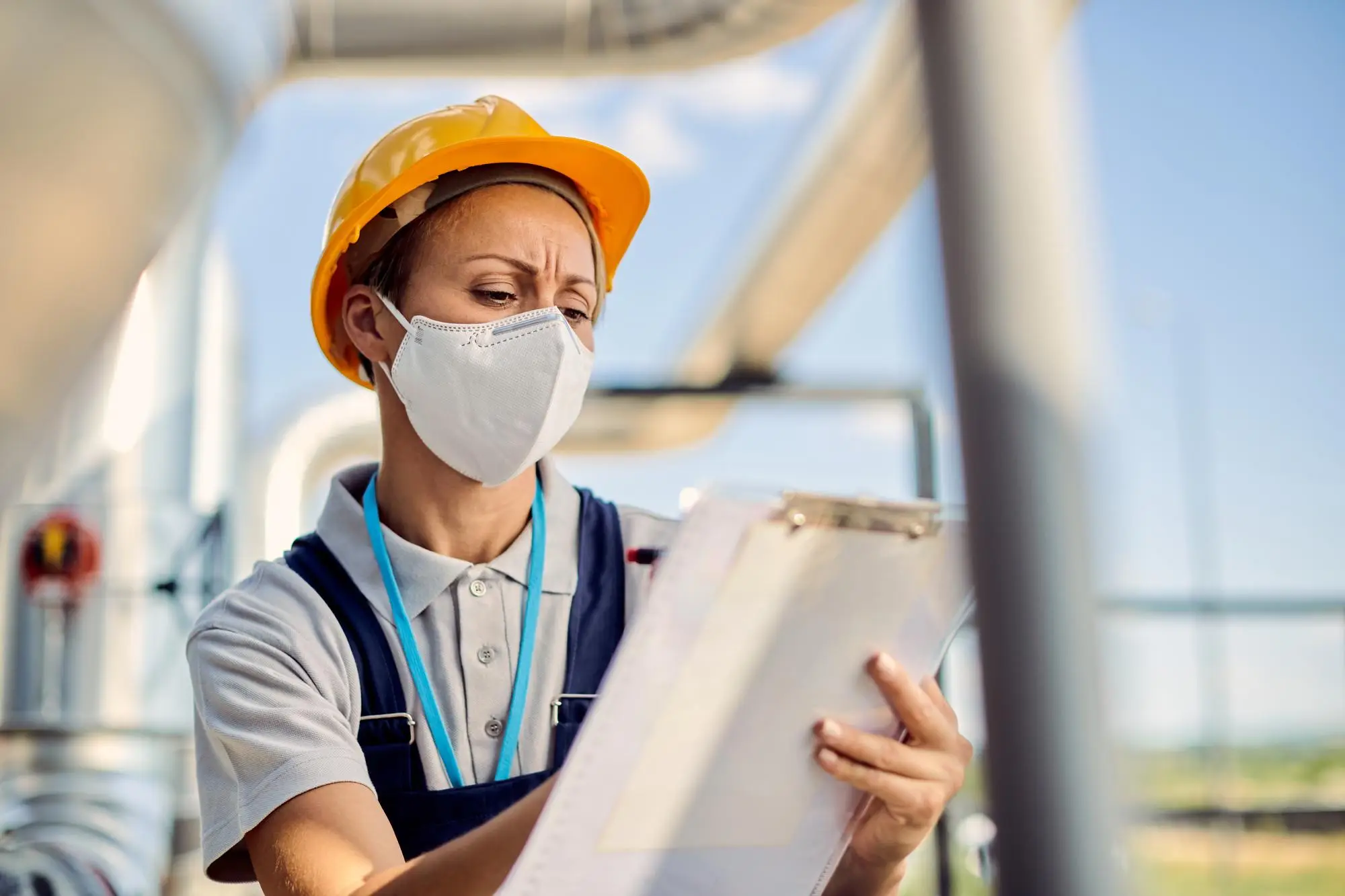
Many hazards are not always obvious. Some, like chemical exposure or ergonomic strain, may not cause immediate harm but can lead to long-term health issues. This is why proper training is essential.
Training helps workers:
- Understand different types of hazards
- Learn how to assess risk levels
- Follow safe work procedures
- Respond effectively in emergencies
Safety training also reinforces the idea that safety is everyone’s responsibility. When workers are trained to recognize risks, they are more likely to take preventive action and avoid unsafe behaviors.
Building a Strong Safety Culture
Hazard identification and risk assessment are key components of a strong safety culture. When organizations prioritize these processes, they create an environment where safety becomes part of everyday work.
A strong safety culture includes:
- Open communication about hazards
- Regular workplace inspections
- Ongoing training and education
- Employee involvement in safety decisions
Over time, this approach reduces incidents, improves morale, and increases productivity. Workers feel more confident knowing that their safety is taken seriously.
Preventing Incidents Before They Happen
The biggest advantage of hazard identification and risk assessment is prevention. Instead of reacting to accidents after they occur, organizations can take proactive steps to eliminate risks.
For example, regular inspections and safety checks can identify issues like faulty equipment, unsafe work practices, or poor housekeeping. Addressing these problems early prevents them from escalating into serious incidents.
Even simple actions like fixing a loose cable or improving lighting can make a significant difference in reducing workplace risks.
Adapting to Changing Work Environments
Workplaces are constantly changing due to new technologies, equipment, and processes. These changes can introduce new hazards that were not previously present.
That’s why hazard identification and risk assessment must be ongoing. Regular reviews, inspections, and updates to safety procedures ensure that new risks are identified and managed effectively.
Employers should also involve workers when introducing new equipment or processes, as their input can help identify potential hazards early.
Final Thoughts
Hazard identification and risk assessment are essential tools for creating safer workplaces. By understanding what could go wrong and taking steps to prevent it, workers and employers can significantly reduce the risk of injuries and incidents.
These processes go beyond compliance, they are about protecting people, improving efficiency, and building a workplace where safety is a shared responsibility. With the right training and awareness, every worker can play a role in identifying hazards, assessing risks, and creating a safer future for everyone on the job.