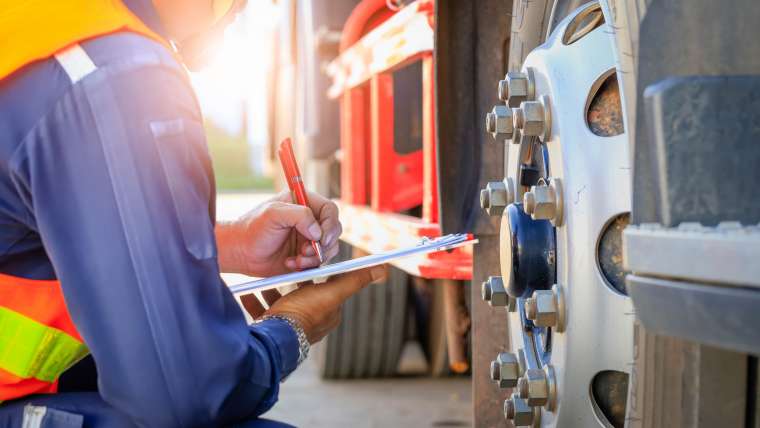


Lawn mowers are essential tools for maintaining parks, commercial properties, sports fields, residential landscapes, and other outdoor spaces. While these machines make grounds maintenance more efficient, they also present serious risks when operated improperly or without adequate preparation. Every year, operators experience injuries ranging from cuts and eye injuries to rollovers, hearing damage, and struck-by incidents that could often have been prevented through proper planning and safe work practices.
Whether you’re a landscaping professional, grounds maintenance worker, property manager, or someone responsible for maintaining outdoor spaces, understanding common lawn mower hazards is an important step toward creating a safer work environment. By recognizing these risks and taking preventive measures, operators can reduce the likelihood of accidents while improving efficiency on the job.
Why Lawn Mower Safety Matters
Modern lawn mowers are powerful machines designed to cut grass quickly and efficiently. However, rotating blades, moving parts, uneven terrain, and flying debris can all create hazards if equipment is used incorrectly.
Many incidents occur not because of equipment failure, but because operators skip inspections, ignore environmental conditions, or become complacent during routine tasks. A strong focus on equipment safety helps workers identify potential risks before work begins and encourages consistent safe operating practices throughout the job.
Developing good habits every time a mower is used can significantly reduce workplace injuries and equipment damage.
Common Lawn Mower Hazards
Flying Debris
One of the most common hazards involves objects hidden in the grass. Rocks, sticks, branches, metal fragments, and other debris can be thrown from the mower at high speeds, creating a danger for both operators and nearby workers or pedestrians.
Before mowing, inspect the work area and remove any loose objects that could become dangerous projectiles. Maintaining a safe distance from bystanders and directing discharge away from people, vehicles, and buildings also helps reduce risk.
Slips, Trips, and Falls
Outdoor work often takes place on uneven terrain, wet grass, loose gravel, or sloped surfaces. These conditions increase the likelihood of slips and falls while operating or servicing lawn equipment.
Operators should wear footwear with good traction and remain aware of changing ground conditions throughout the workday. Walking carefully around equipment and avoiding sudden movements on slopes can help prevent injuries.
Rollovers on Slopes
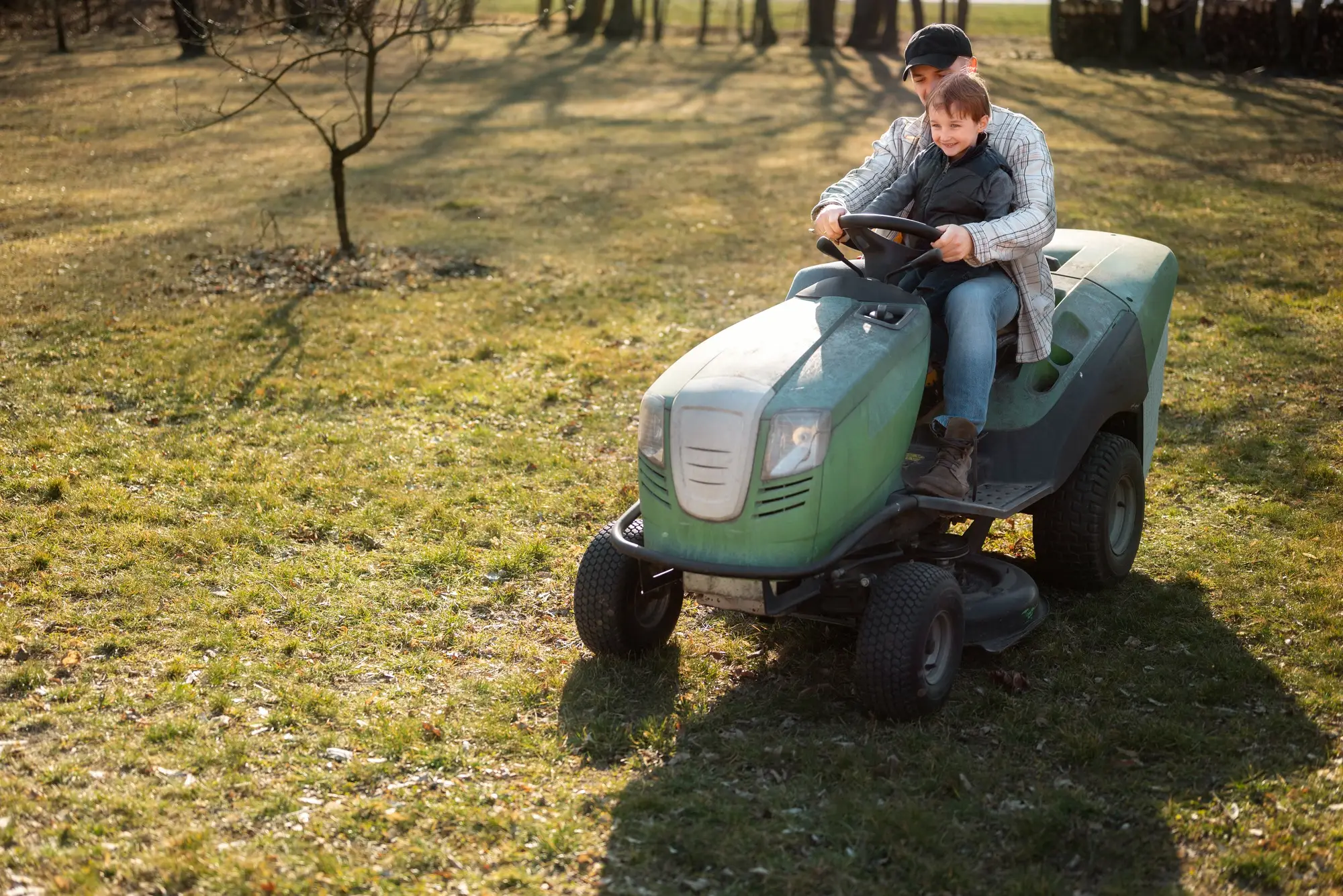
Riding lawn mowers and zero-turn mowers require extra caution when operating on hills or uneven ground. Attempting to mow steep slopes or making sudden turns can increase the risk of rollovers.
Before beginning work, operators should evaluate the terrain and follow manufacturer recommendations regarding safe slope limits. Whenever possible, mow up and down slopes rather than across them if recommended for the equipment being used, and avoid sudden acceleration or braking.
Understanding the capabilities and limitations of each machine is an essential part of safe operation.
Contact with Moving Blades
Rotating mower blades can cause severe injuries within seconds. Attempting to clear grass clippings, adjust equipment, or perform maintenance while blades are still moving presents unnecessary risks.
Always shut off the engine, disengage the blades, remove the ignition key when applicable, and wait for all moving parts to stop completely before inspecting or servicing the equipment.
Routine maintenance should only be performed according to manufacturer recommendations and with appropriate safeguards in place.
Noise and Vibration Exposure
Extended mower operation can expose workers to high noise levels and continuous vibration.
Without proper hearing protection, repeated exposure may contribute to permanent hearing damage over time. Wearing suitable hearing protection and taking regular breaks during extended operations can help minimize these long-term risks.
Fuel Handling Hazards
Gasoline and diesel fuels present both fire and health hazards if handled improperly.
Refueling should only be performed after the engine has been turned off and allowed to cool. Fuel containers should be properly labeled, stored safely, and kept away from ignition sources.
Cleaning up spills immediately also helps reduce fire hazards and environmental contamination.
Weather-Related Risks
Outdoor conditions can change rapidly throughout the day. Rain, excessive heat, strong winds, and reduced visibility all affect mowing operations.
Wet grass may reduce traction and increase the chance of slipping, while high temperatures can contribute to heat stress and fatigue. Operators should monitor weather conditions, stay hydrated, wear appropriate clothing, and postpone work when conditions become unsafe.
Personal Protective Equipment
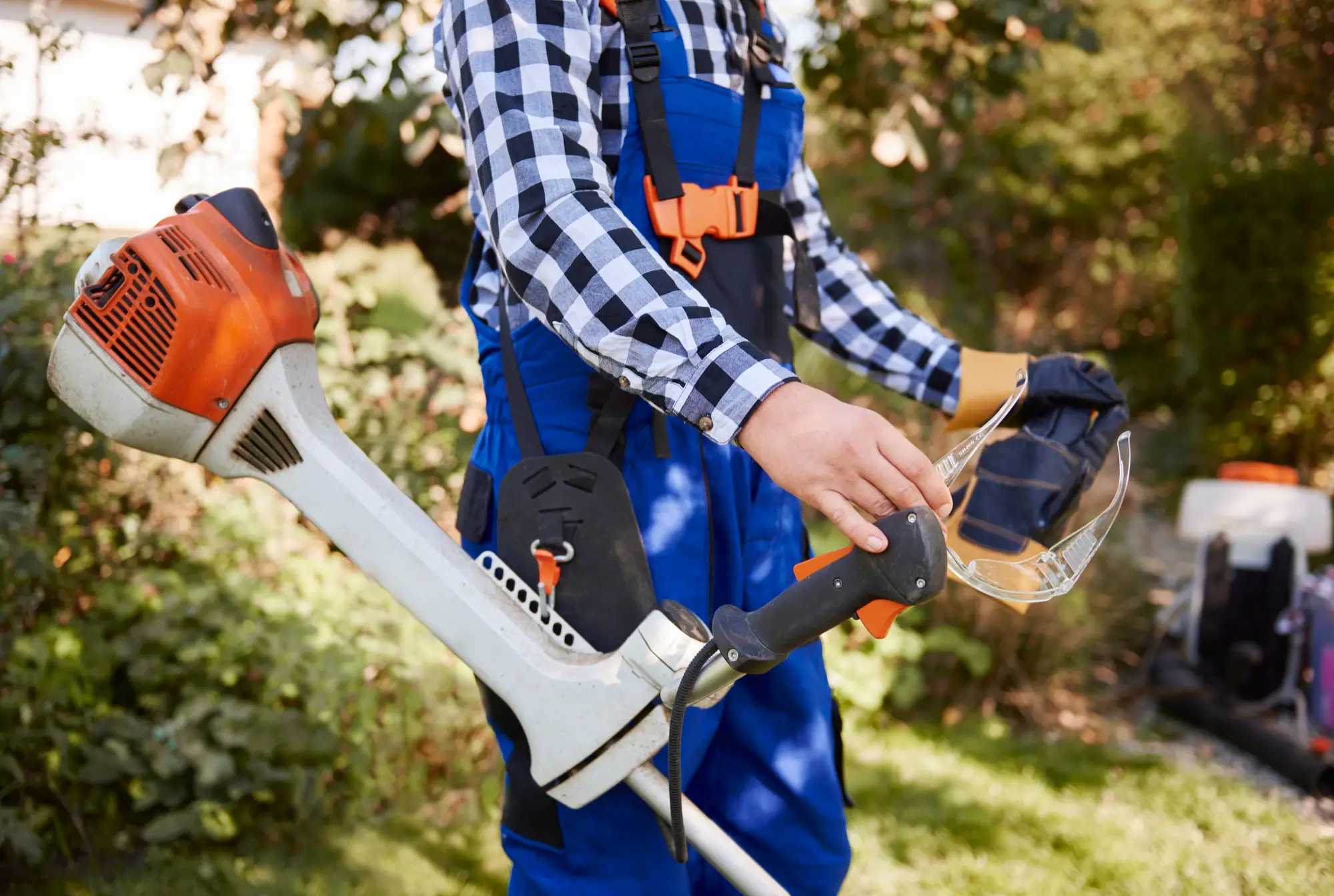
Personal protective equipment (PPE) provides an important layer of protection during lawn mowing operations.
Depending on the task and workplace requirements, operators may wear:
-
- Safety glasses or face shields
- Hearing protection
- Steel-toe or slip-resistant footwear
- High-visibility clothing
- Gloves suitable for equipment handling
- Long pants to reduce exposure to flying debris
PPE should always be inspected before use and worn together with safe operating procedures rather than as a replacement for them.
The Importance of Operator Awareness
Even experienced operators can become distracted during repetitive work. Fatigue, rushing to complete tasks, or overlooking routine inspections can increase the likelihood of incidents.
Workers should remain alert to changing site conditions, nearby pedestrians, vehicle traffic, overhead obstacles, underground utilities, and other hazards that may develop throughout the day.
Good communication between crew members also helps prevent incidents, especially when multiple pieces of equipment are operating in the same area.
Why Training Makes a Difference
Safe equipment operation begins with knowledge. Workers who understand hazard recognition, machine controls, inspection procedures, and emergency response are better prepared to make informed decisions in the field.
Participating in lawn mower safety training helps operators build confidence while reinforcing safe operating procedures and hazard awareness. Ongoing safety training also supports organizations in maintaining a strong safety culture where employees recognize risks before they lead to incidents.
Training should be viewed as an ongoing process rather than a one-time activity, particularly as equipment, workplace environments, and safety requirements continue to evolve.
Creating a Safer Work Environment
Lawn mower safety involves much more than simply starting a machine and cutting grass. It requires preparation, hazard awareness, routine inspections, proper maintenance, and responsible operation every time equipment is used.
By identifying common hazards such as flying debris, rollovers, blade contact, weather conditions, fuel handling risks, and operator fatigue, organizations can significantly reduce workplace injuries while improving productivity. Combined with regular inspections, appropriate PPE, and continuous training, these safe work practices help create safer outdoor worksites for operators, coworkers, and the public alike.
Every mowing task presents unique challenges, but with proper planning and a commitment to safety, operators can perform their work confidently while protecting themselves and those around them.