
Pallet jacks are common in warehouses, distribution centers, manufacturing facilities, retail environments, and other workplaces where materials need to be moved efficiently. While both manual and electric pallet jacks are designed to move palletized loads, they operate differently and present different safety considerations.
Understanding these differences can help workers choose safer operating practices, recognize potential hazards, and handle loads with greater awareness. The right approach depends on the equipment being used, the workplace environment, the load, and the operator’s knowledge.
What Is a Manual Pallet Jack?
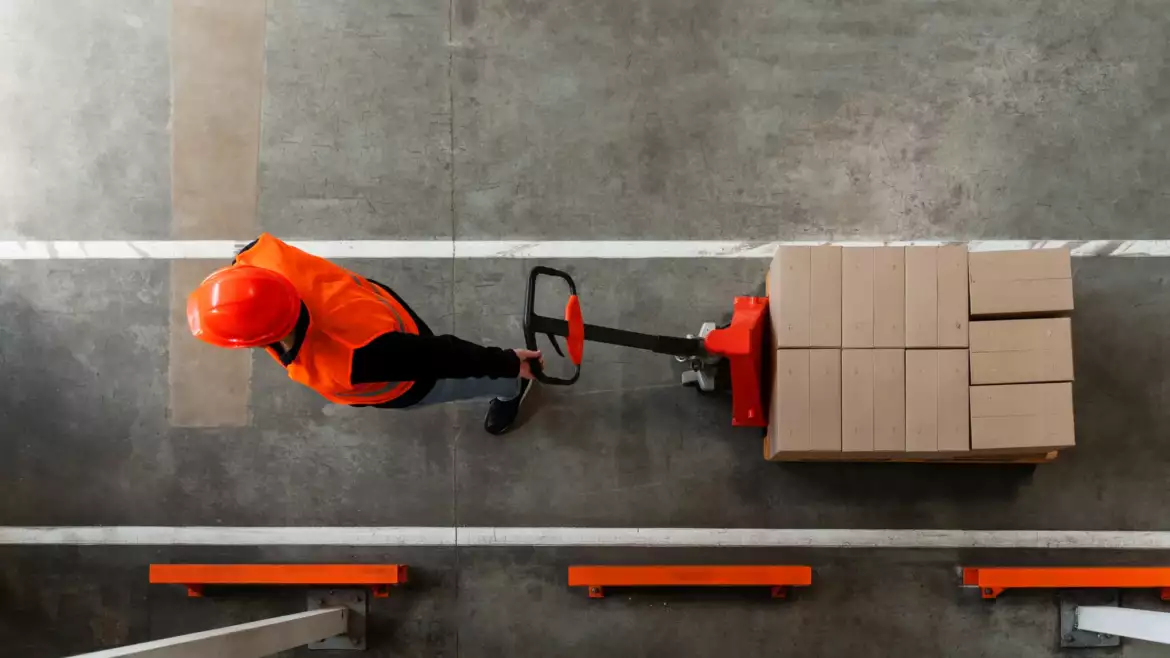
A manual pallet jack uses physical effort to move a load. The operator typically positions the forks underneath a pallet, pumps the handle to raise the load, and pulls or pushes the equipment to move it.
As manual pallet jacks rely on human power, they may appear relatively simple. However, improper handling can still create significant risks. Heavy loads, uneven surfaces, inclines, tight spaces, and poor positioning can increase the physical demands placed on the operator.
Manual pallet jacks can also create pinch points around wheels, forks, handles, and loads. Operators need to keep their hands and feet away from moving components and maintain control while maneuvering.
What Is an Electric Pallet Jack?
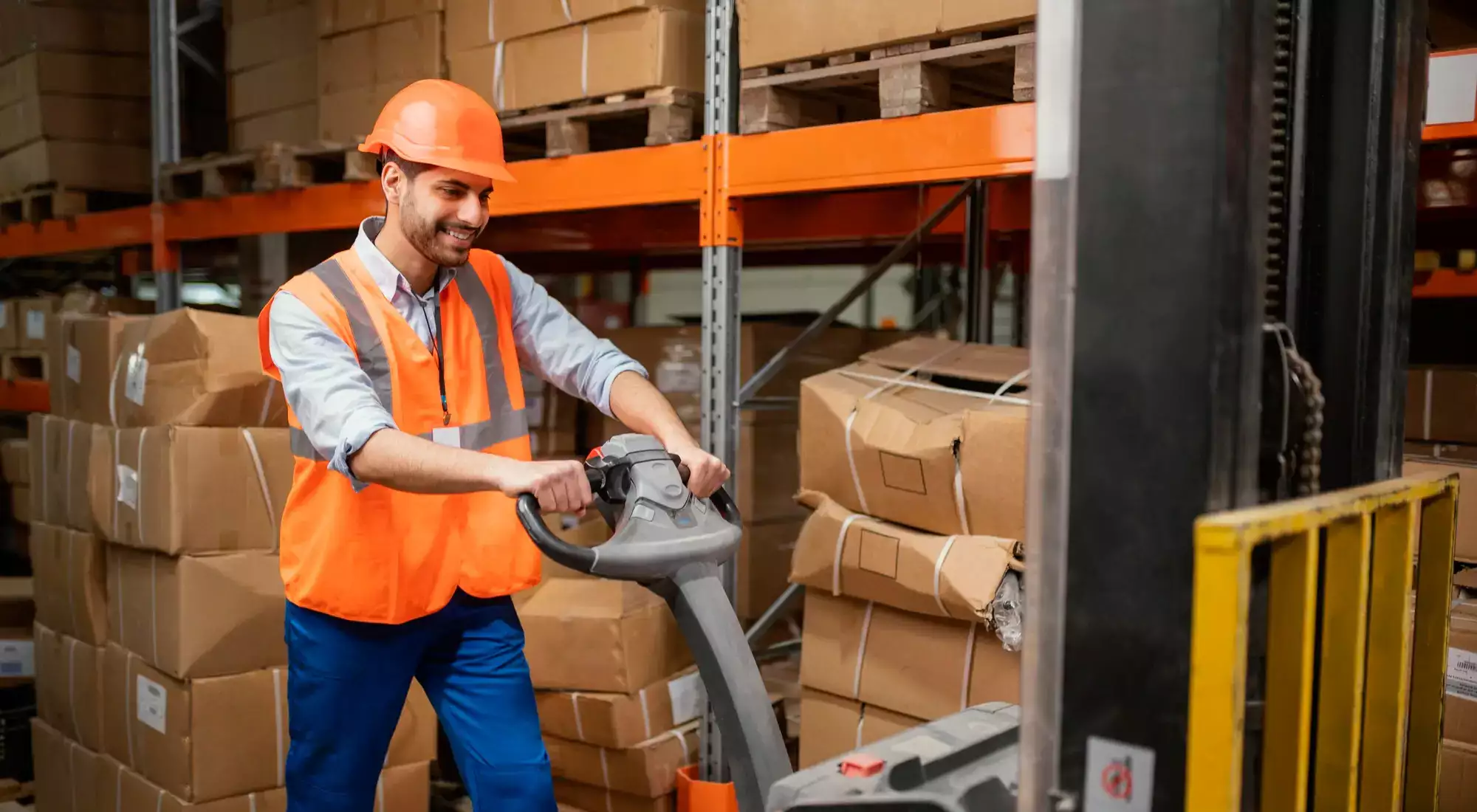
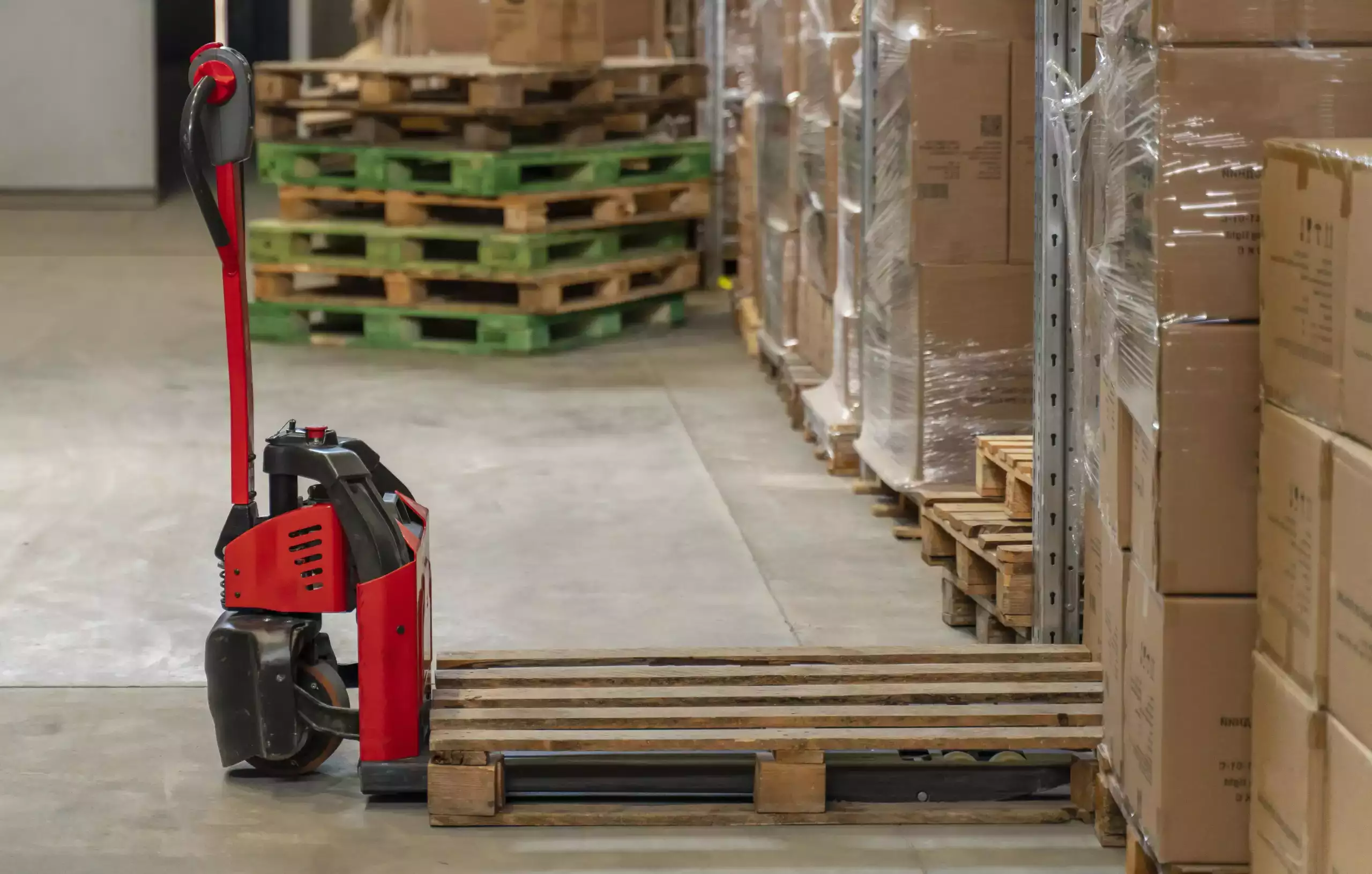
Electric pallet jacks use a powered drive system to move loads, reducing the physical effort required from the operator. Depending on the model, controls may allow the operator to travel forward and backward, raise or lower the forks, and control the equipment’s movement.
Some powered pallet jacks are designed for walking operators, while others allow the operator to ride on a platform. Because powered equipment can move loads more quickly and requires less physical effort, operators need to understand the controls and stopping characteristics before using it.
A powered pallet jack is still material-handling equipment, not simply a faster version of a manual jack. Its speed, controls, weight, and operating characteristics can introduce additional hazards when used incorrectly.
Key Safety Difference: Control and Movement
One of the biggest differences between manual and electric pallet jacks is how movement is controlled.
With a manual pallet jack, the operator generally provides the force needed to move the equipment. This can make heavy loads more physically demanding, especially over longer distances or on inclines.
An electric pallet jack provides powered movement, so the operator needs to manage the controls carefully. Sudden acceleration, excessive speed, or improper stopping can create hazards for the operator, nearby workers, and surrounding equipment.
Regardless of the type being used, operators should maintain a clear path and avoid moving faster than workplace conditions safely allow.
Load Capacity Matters for Both
Every pallet jack has a rated capacity. Exceeding that capacity can affect stability, handling, and braking.
Before moving a load, operators should understand the equipment’s capacity and check the information provided on its labels or documentation. The load should also be positioned securely and distributed appropriately across the pallet.
An uneven or unstable load can shift during movement, particularly when traveling over uneven surfaces, turning, stopping, or navigating slopes. Workers should never assume that a pallet jack can safely move a load simply because the forks fit underneath it.
Slopes Require Extra Caution
Inclines and declines can make pallet jack operation more challenging.
With a manual pallet jack, moving a heavy load on a slope may require significant physical effort and can make maintaining control difficult. With an electric pallet jack, powered movement can introduce additional risks if the operator does not understand how the equipment behaves on an incline.
Operators should follow workplace procedures and manufacturer instructions for operating on slopes. Loads should remain stable, travel paths should be assessed beforehand, and workers should avoid situations where they could lose control of the equipment or load.
Inspections Should Never Be Skipped
Pre-use inspections are important for both manual and electric pallet jacks.
Before operating equipment, workers should look for obvious problems that could affect safe operation. Depending on the equipment, this may include checking wheels, forks, handles, controls, brakes, warning devices, and other components.
Electric models may require additional attention to powered controls, batteries, charging equipment, and other electrical or mechanical components.
If a problem is identified, the equipment should not simply be used and monitored. Workers should follow their workplace’s procedures for reporting defective equipment and removing it from service when necessary.
Pedestrian Awareness Is Essential
Pallet jacks are often used in busy environments where operators work around other employees, visitors, forklifts, shelves, and stored materials.
Visibility can be restricted by the load itself, especially when transporting tall or bulky pallets. Operators should maintain awareness of pedestrians and avoid assuming that people nearby have noticed the equipment.
Before moving, check the travel path. Use designated routes where available, maintain appropriate clearance, and slow down when approaching intersections, doorways, blind corners, or congested areas.
Electric pallet jacks require particular attention because their powered movement may allow an operator to travel with less physical effort than a manual jack.
Ergonomics and Operator Fatigue
Manual pallet jacks can place physical demands on workers, particularly when moving heavy loads or working across long distances. Repeated pulling, pushing, twisting, or awkward positioning can contribute to fatigue and musculoskeletal strain.
Electric pallet jacks can reduce some of the physical effort associated with moving loads, but they do not eliminate ergonomic concerns. Operators may still need to walk, stand, reach for controls, turn, and repeatedly handle materials.
Safe material handling includes using appropriate techniques, avoiding unnecessary force, and recognizing when a task may require additional assistance.
Training Should Match the Equipment
Although manual and electric pallet jacks share some safety principles, operators should understand the specific equipment they are expected to use. Controls, capacity, stability, inspection requirements, and operating procedures can differ between models.
For workplaces using both types, training should address the characteristics and hazards associated with each. Pallet jack training covers both manual and electric pallet jacks, including capacity, controls, stability, slopes, inspections, hazards, and ergonomics.
Choosing Safer Practices Every Time
Manual and electric pallet jacks can make material handling more efficient, but neither should be treated as risk-free equipment. The differences in power, movement, physical demands, and controls mean that operators need to adapt their approach to the equipment they are using.
Before moving a load, consider the equipment’s condition, load stability, travel path, surrounding workers, surface conditions, and potential obstacles. Stay within rated capacity, maintain control, and never allow convenience to replace safe operating practices.
Ultimately, understanding the differences between manual and electric pallet jacks helps workers make better decisions before and during material handling tasks. When operators combine equipment awareness with proper procedures and workplace-specific pallet jack operator safety training, they are better prepared to recognize hazards and move materials safely.