


For transport companies, safety and compliance are not optional, they are the foundation of every journey. Whether managing a small fleet or a large commercial operation, ensuring that vehicles are road-ready is essential for preventing breakdowns, avoiding fines, and protecting both drivers and the public. Among all safety practices, pre-trip inspections stand out as one of the most important daily routines. When done correctly, they help identify mechanical issues early, maintain regulatory compliance, and reduce operational risks.
In many regions, pre-trip inspections are not only recommended but required by law. Regulatory bodies expect transport companies to ensure that commercial vehicles are thoroughly inspected before each trip and that proper documentation is maintained. This makes consistency, accuracy, and proper training crucial for staying compliant.
Why Pre-Trip Inspections Matter
A well-executed pre-trip inspection serves several critical purposes. First, it confirms that the vehicle is mechanically sound and safe to operate. This includes checking brakes, tires, lights, steering components, and other essential systems. Identifying a minor issue such as low tire pressure or a faulty signal light can prevent it from turning into a major mechanical failure on the road.
Second, thorough inspections reduce the risk of collisions and roadside incidents. Many accidents involving commercial vehicles are linked to mechanical problems that could have been detected earlier. By ensuring that vehicles meet safety standards before every trip, transport companies significantly lower the chances of unexpected failures.
Finally, proper inspections protect drivers. When workers feel confident in their equipment, they are more focused, more productive, and safer behind the wheel. This supports not only compliance, but also a strong internal safety culture.
Compliance and Legal Responsibilities
Compliance with inspection regulations varies by region, but most transport authorities share similar expectations. These typically include:
- Conducting a full pre-trip inspection before the vehicle begins operation
- Documenting the inspection accurately
- Reporting defects immediately to the employer or maintenance team
- Ensuring that defects affecting safety are repaired before the vehicle is used
- Retaining inspection reports for a specified period
Failure to comply with these requirements can lead to hefty fines, increased audits, out-of-service orders, and even loss of operating privileges. In severe cases, non-compliance can expose companies to legal liability if an accident occurs. Maintaining a consistent inspection process is therefore essential to protecting the business and meeting regulatory standards
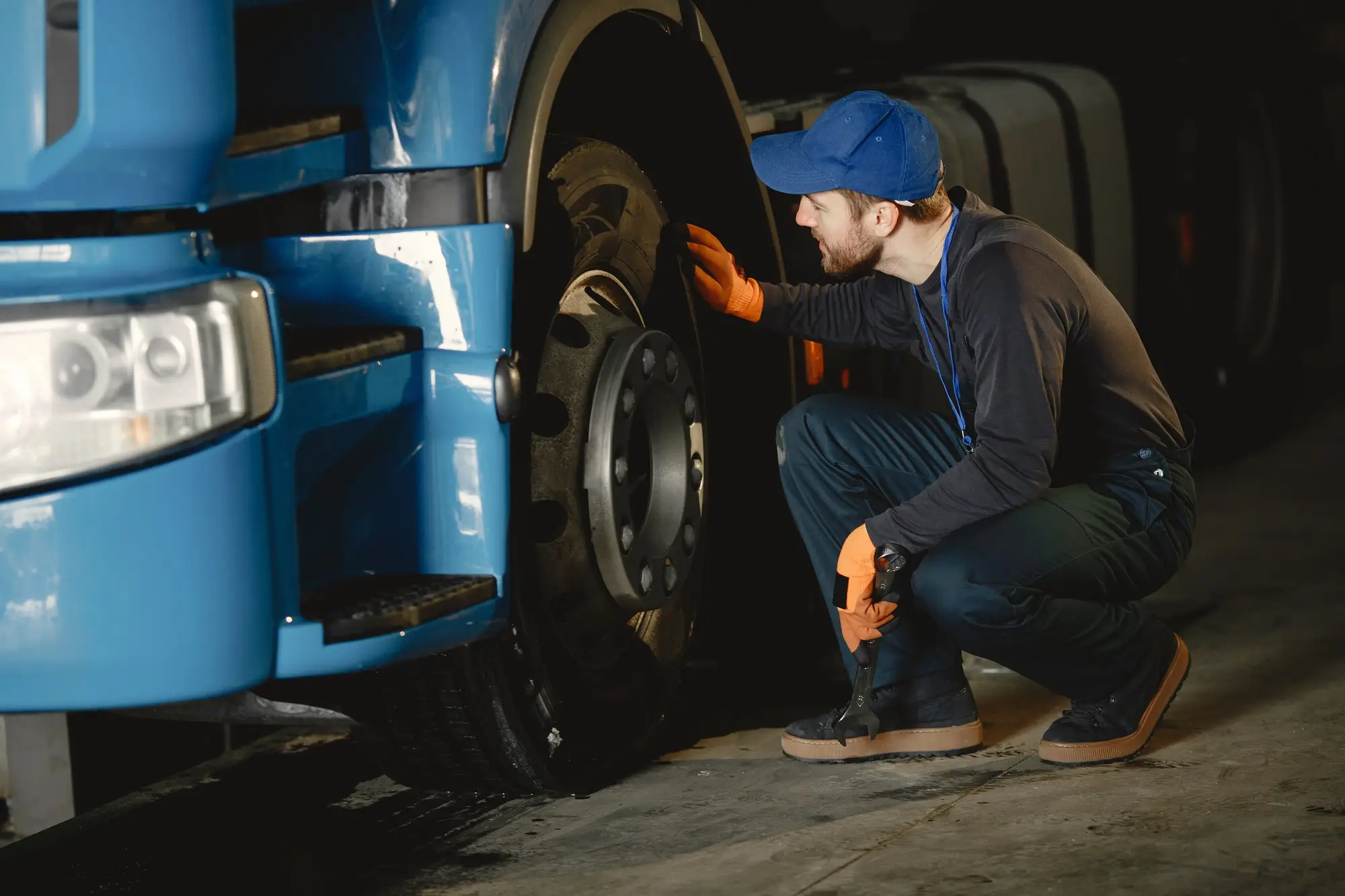
Building a Strong Inspection Routine
To establish a reliable pre-trip inspection routine, transport companies must ensure that drivers understand the process, recognize hazards, and know how to document findings properly. This is where structured training plays an important role. Skilled drivers are better equipped to identify problems early, understand the importance of each step, and follow through with reporting requirements.
A strong routine typically includes:
- A clear inspection checklist
- Steps that cover both the exterior and interior of the vehicle
- A defined process for reporting defects
- Proper recordkeeping
- Ongoing refresher training
Driver compliance is crucial. When inspections are rushed, incomplete, or inconsistent, the entire operation is exposed to unnecessary risk. Establishing expectations and supporting them with training ensures that inspections become a habit rather than an afterthought.
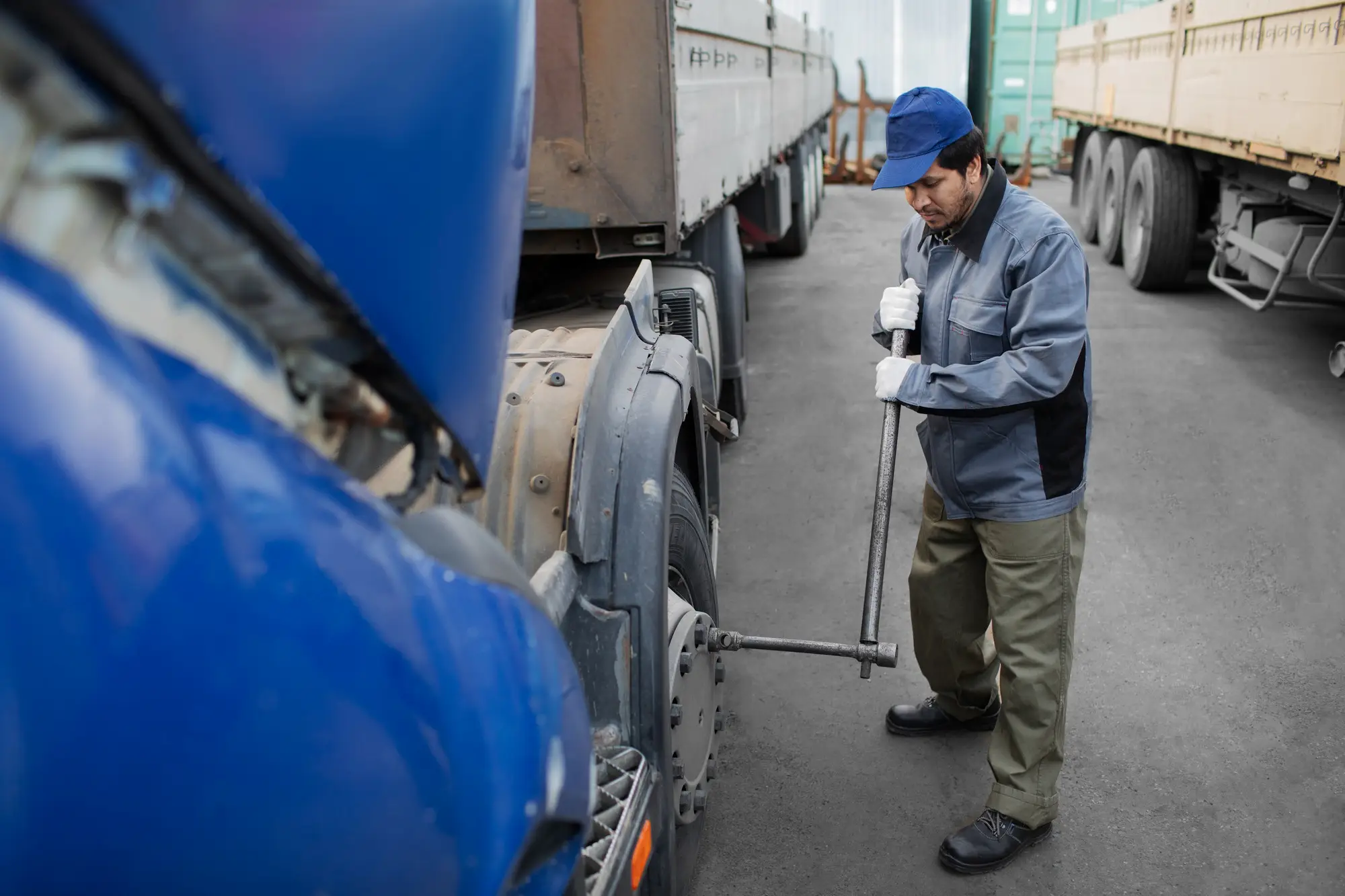
Common Issues Found During Inspections
Certain problems appear more frequently during pre-trip inspections. These include:
- Worn or under-inflated tires
- Faulty lights, signals, or reflectors
- Brake system concerns
- Fluid leaks
- Damaged or loose components
- Issues with mirrors, wipers, or visibility
- Incomplete documentation or missing log entries
By catching these issues before a vehicle hits the road, transport companies can prevent downtime and reduce repair costs. Early detection also improves fleet longevity, allowing companies to get the most value from their vehicles.
The Role of Training in Maintaining Compliance
Training is the cornerstone of successful pre-trip inspection programs. Drivers who are properly trained perform inspections more effectively and are more aware of the legal and safety implications of incomplete checks. Many companies use structured training programs to reinforce proper inspection techniques and ensure consistency across their fleet.
Today, flexible learning options make it easier than ever for drivers to stay current. For example, those looking to strengthen their knowledge can complete Daily Pre-Trip Inspections Online Training, which provides essential skills for identifying hazards and performing thorough checks.
By investing in proper education, transport companies support compliance, reduce operational risks, and build a team capable of maintaining high safety standards.
How Pre-Trip Inspections Protect Your Business
Effective pre-trip inspections do more than ensure safety, they directly support business success. A strong inspection program helps companies:
- Reduce downtime
- Prevent costly repairs
- Lower insurance risks
- Improve operational efficiency
- Boost customer confidence
- Maintain a competitive edge
When clients see that a company prioritizes safety, it strengthens trust and builds the reputation of a reliable operation. In an industry where timing, performance, and responsibility matter, this trust becomes a valuable asset.
Conclusion
Pre-trip inspections are one of the most effective tools transport companies have to maintain safety and compliance. By supporting a structured routine, investing in training, and ensuring follow-through on repairs and documentation, companies can prevent accidents, protect their workforce, and enhance operational efficiency.
Building a safety culture where pre-trip vehicle inspection is taken seriously benefits everyone from drivers and managers to customers and the public. When safety becomes a daily commitment, the entire organization moves forward with confidence and professionalism.


2 Comments
Comments are closed.