
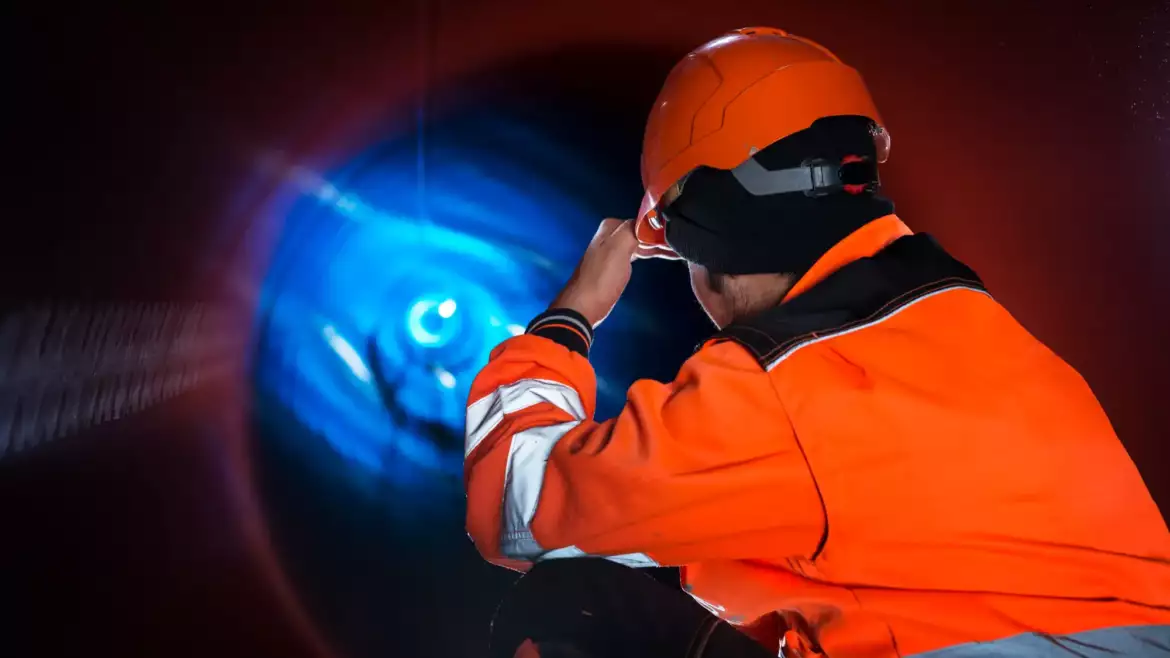
Confined spaces are among the most hazardous work environments across industries such as construction, manufacturing, utilities, and oil and gas. Tanks, silos, pipelines, storage bins, and underground vaults may appear routine, but they can quickly become life-threatening if hazards are not properly identified and controlled. Because these spaces are not designed for continuous occupancy and often have limited entry and exit points, workers face unique risks that demand careful preparation and awareness.
Every year, serious injuries and fatalities occur when workers underestimate the dangers inside confined spaces. Many of these incidents are preventable when hazards are recognized early and proper safety procedures are followed. Developing a strong safety culture within organizations plays a critical role in preventing these incidents, as it encourages workers to prioritize hazard identification, follow procedures, and speak up when something doesn’t seem right. Understanding the most common risks workers face is the first step toward creating a safer work environment. Here are some of the top confined space hazards workers should never ignore.
Hazardous Atmospheres
One of the most dangerous risks in confined spaces is a hazardous atmosphere. Oxygen levels can quickly drop below safe limits or become dangerously enriched, while toxic gases or vapors may accumulate without warning. Because confined spaces have limited ventilation, harmful substances can build up rapidly.
Workers may encounter gases such as carbon monoxide, hydrogen sulfide, or methane depending on the worksite. Even substances used during maintenance activities, such as solvents or cleaning agents, can create unsafe air conditions. Without proper atmospheric testing, workers may not detect these dangers until it is too late.
Continuous air monitoring and proper ventilation are critical safeguards. Before entering a confined space, the atmosphere should always be tested to confirm safe oxygen levels and ensure that toxic or flammable gases are not present.
Oxygen Deficiency
Oxygen deficiency is a particularly serious hazard because it often goes unnoticed until symptoms appear. When oxygen levels drop below safe thresholds, workers may experience dizziness, confusion, or loss of consciousness within seconds.
Several factors can cause oxygen levels to decrease inside confined spaces. Chemical reactions, rusting metal surfaces, or displacement by other gases can reduce available oxygen. In some cases, oxygen levels can be pushed dangerously low simply by gases entering from nearby equipment or pipelines.
Because the human body cannot detect oxygen deficiency without instruments, relying on atmospheric monitoring equipment is essential. Workers must never assume that the air inside a confined space is safe to breathe.

Toxic Gas Exposure
Many confined spaces contain substances that release toxic fumes. Even small concentrations of certain gases can cause serious health problems or immediate harm. Hydrogen sulfide, for example, can quickly overwhelm workers and impair their ability to escape.
Exposure to toxic gases may cause symptoms such as headaches, nausea, breathing difficulties, or loss of consciousness. In extreme cases, it can lead to permanent injury or fatality.
To reduce the risk of toxic exposure, employers should ensure that proper gas detection equipment is used and that workers understand how to interpret the readings. Ventilation systems and respiratory protection may also be required depending on the work conditions.
Engulfment Hazards
Another major danger in confined spaces is engulfment. This occurs when workers become trapped or buried by materials such as sand, grain, water, sludge, or other loose substances. Once engulfment begins, it can happen rapidly and leave workers with little chance to escape.
Grain silos and storage tanks are common examples where engulfment risks exist. Flowing materials can shift suddenly, pulling workers beneath the surface. Even partially emptied containers may still contain unstable materials capable of collapsing or shifting.
Proper lockout procedures, material control systems, and safety planning are essential when working around materials that could cause engulfment.

Limited Entry and Exit
Confined spaces typically have restricted openings that make entering and exiting difficult. This becomes especially dangerous during emergencies when workers must evacuate quickly.
If a worker becomes injured, unconscious, or exposed to hazardous conditions, rescue efforts can be challenging due to these tight access points. Delays during emergency response significantly increase the risk of serious outcomes.
Rescue planning should always be considered before any confined space entry begins. Workers must know the designated entry points, communication procedures, and emergency protocols in place.
Fire and Explosion Risks
Many confined spaces contain flammable gases, vapors, or combustible dust. When these substances mix with oxygen and encounter an ignition source, they can trigger fires or explosions.
Activities such as welding, cutting, or using electrical equipment can introduce sparks that ignite these materials. Even static electricity or overheated machinery can serve as ignition sources.
Preventing fires and explosions requires proper hazard assessments, atmospheric testing, and strict control of ignition sources. Workers must ensure that all equipment used inside confined spaces is appropriate for the environment.
Poor Visibility and Physical Hazards
Confined spaces often have poor lighting, uneven surfaces, or structural obstacles that increase the risk of slips, trips, and falls. Pipes, valves, or internal structures can make movement difficult, especially when workers are wearing protective equipment.
Limited space can also make it harder to maintain safe working positions or use tools properly. Workers may be forced to work in awkward postures that increase fatigue and reduce awareness of their surroundings.
Proper lighting, clear access routes, and hazard identification can significantly improve safety in these environments.
The Role of Training in Confined Space Safety
Many confined space incidents occur because workers are unaware of the hazards or do not fully understand the procedures required for safe entry. This is where confined space entry training becomes essential. Proper training helps workers recognize risks, use monitoring equipment correctly, and follow safe entry procedures.
Training also ensures that workers understand roles such as attendants, entrants, and supervisors, along with emergency response requirements. When employees receive proper instruction and practice safe procedures regularly, the likelihood of incidents decreases significantly.
Organizations that invest in training not only improve compliance with safety regulations but also strengthen their overall safety culture by empowering workers to prioritize safety in every task.
Final Thoughts
Confined spaces may appear routine in many industries, but the hazards they present should never be underestimated. From toxic atmospheres and oxygen deficiency to engulfment and fire risks, these environments demand strict safety practices and thorough preparation.
By identifying hazards before entry, providing proper confined space entry training, and maintaining a strong safety culture, organizations can significantly reduce the risk of incidents. Awareness, preparation, and vigilance remain the most effective tools for ensuring that every confined space task is completed safely.