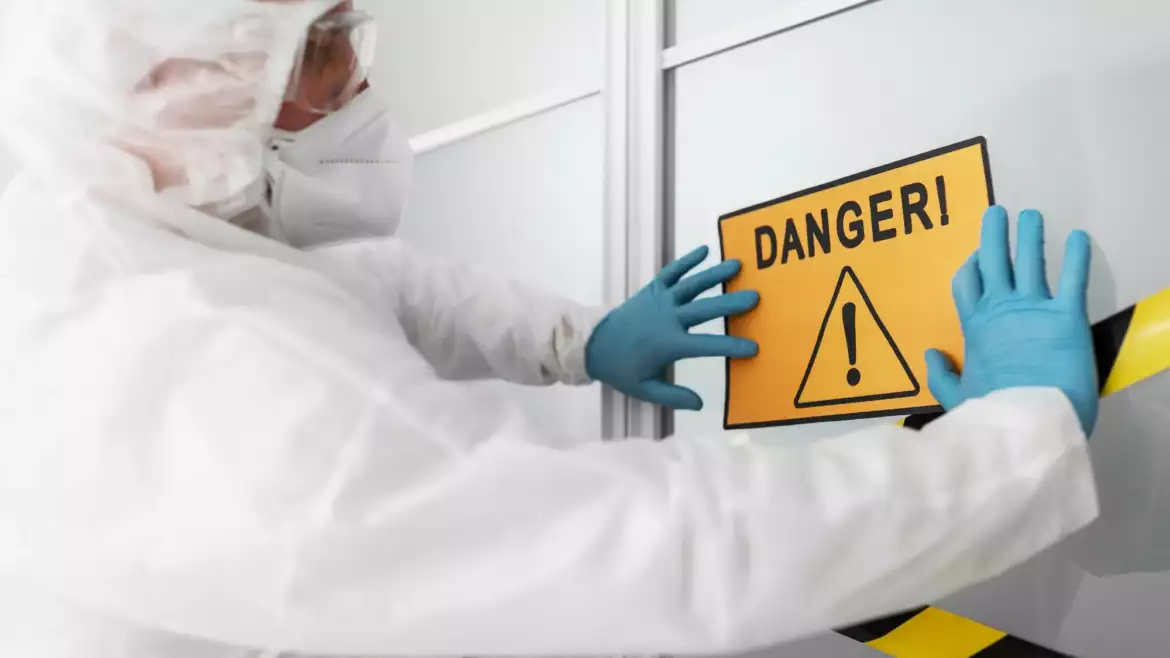
Workplace hazardous materials are present in many industries, including construction, manufacturing, healthcare, transportation, and warehousing. While these materials are often necessary for daily operations, they can also pose serious risks if handled incorrectly. That is why understanding WHMIS labels is an essential part of workplace safety in Canada.
The Workplace Hazardous Materials Information System (WHMIS) was developed to help workers identify hazardous products and understand how to use, store, and handle them safely. One of the most important elements of WHMIS is product labeling. These labels provide critical information that workers can quickly reference to recognize hazards and take proper precautions.
For many workers, however, WHMIS labels can seem confusing at first glance. Understanding the symbols, warning statements, and safety instructions is key to preventing workplace incidents and maintaining a safer work environment.
What Is a WHMIS Label?
A WHMIS label is a standardized label attached to hazardous products used in the workplace. It provides workers with essential information about the product’s hazards and safe handling requirements.
WHMIS labels are designed to help workers answer important safety questions, such as:
-
- What type of hazard does this product present?
- What precautions should be taken?
- What personal protective equipment (PPE) is required?
- What should happen in an emergency?
- How should the product be stored?
Workers should never use a hazardous product without first reviewing its label and understanding the associated risks.
Types of WHMIS Labels
There are two main types of WHMIS labels workers may encounter in Canadian workplaces:
Supplier Labels
Supplier labels are provided by the manufacturer or distributor of the hazardous product. These labels are typically more detailed and are required on hazardous products before they arrive at the workplace.
A supplier label generally includes:
-
- Product name
- Hazard pictograms
- Signal words
- Hazard statements
- Precautionary statements
- Supplier identification
- Reference to the Safety Data Sheet (SDS)
These labels are often the primary source of hazard information for workers handling controlled products.
Workplace Labels
Workplace labels are created by the employer when a hazardous product is transferred to another container, produced on-site, or when the original supplier label becomes damaged or unreadable.
Workplace labels are usually simpler but must still contain important safety information, including:
-
- Product name
- Safe handling precautions
- Reference to the Safety Data Sheet (SDS)
Even though workplace labels may look less detailed, they remain an important part of hazard communication.
Understanding WHMIS Pictograms
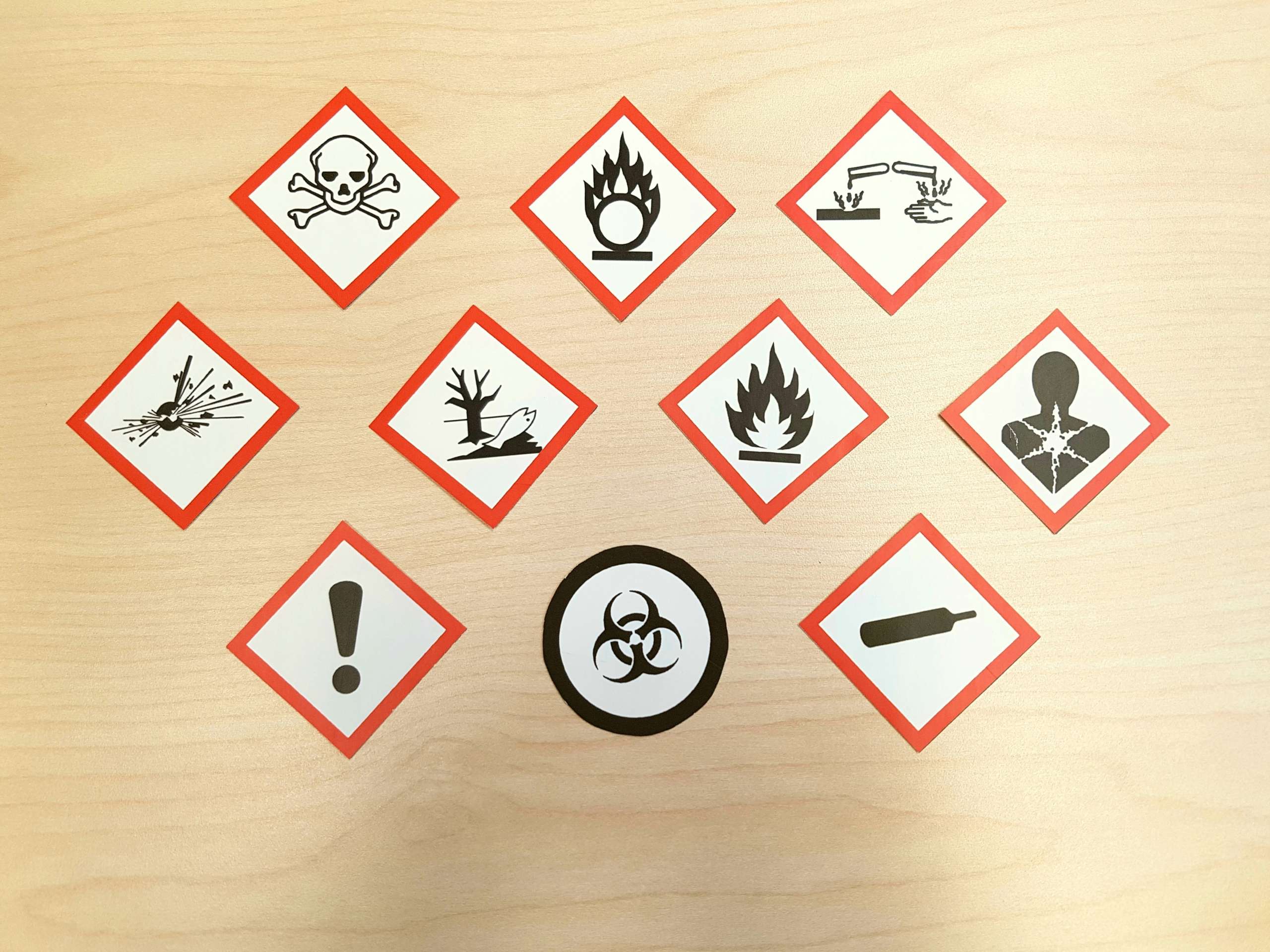
WHMIS pictograms are one of the most recognizable features of hazardous product labels. These symbols quickly communicate the type of hazard associated with a product.
Some common WHMIS pictograms include:
Flame Symbol
The flame pictogram indicates flammable materials, self-reactive substances, or products that may ignite easily when exposed to heat, sparks, or open flames.
Skull and Crossbones
This symbol warns of acute toxicity and indicates products that can cause serious illness or death if inhaled, swallowed, or absorbed through the skin.
Corrosion Symbol
The corrosion pictogram identifies products that can cause skin burns, eye damage, or corrosion to metals.
Gas Cylinder
This symbol represents gases stored under pressure, which may explode if heated or damaged.
Health Hazard Symbol
The health hazard pictogram may indicate long-term health effects such as respiratory issues, carcinogenicity, or organ damage.
Exclamation Mark
This pictogram typically warns of less severe health hazards, including skin irritation, dizziness, or respiratory tract irritation.
Recognizing these symbols allows workers to react quickly and use proper precautions before handling hazardous materials.
Signal Words and Hazard Statements
WHMIS labels also include signal words and hazard statements that help workers understand the severity of the risk.
Signal Words
There are two primary signal words used on WHMIS labels:
-
- Danger — indicates more severe hazards
- Warning — indicates less severe hazards
These words help workers quickly assess the level of caution required.
Hazard Statements
Hazard statements describe the nature of the hazard. Examples may include:
-
- “Highly flammable liquid and vapour”
- “Causes severe skin burns and eye damage”
- “May cause respiratory irritation”
These statements provide workers with clear information about the risks associated with the product.

Precautionary Statements Matter
Precautionary statements explain how to minimize or prevent exposure to hazardous products. These instructions may include recommendations for:
-
- Wearing protective gloves or respirators
- Using proper ventilation
- Keeping products away from heat sources
- Avoiding contact with skin or eyes
- Proper disposal procedures
Workers should carefully review these instructions before handling hazardous materials to reduce the likelihood of injury or exposure.
The Importance of Safety Data Sheets (SDS)
WHMIS labels provide a quick overview of hazards, but workers should also consult the product’s Safety Data Sheet (SDS) for more detailed information.
An SDS contains comprehensive details about:
-
- Chemical composition
- First aid measures
- Fire-fighting procedures
- Spill response
- Safe handling and storage
- Exposure controls
- Toxicological information
Employers are responsible for ensuring SDS documents are accessible to workers in the workplace.
Why WHMIS Training Is Essential
Even with clear labels and SDS documentation, workers still need proper training to interpret and apply the information correctly. WHMIS education helps employees understand hazard communication systems and reinforces safe work practices.
A WHMIS 2025 Training Course can help workers stay informed about current WHMIS requirements, hazard classifications, labeling systems, and safe handling procedures. Ongoing training is especially important in workplaces where employees regularly work with chemicals, solvents, compressed gases, or other hazardous products.
Training also helps improve employee confidence, reduce incidents, and support overall workplace compliance.
Common Mistakes Workers Should Avoid
Despite the availability of labels and safety information, workplace incidents can still occur when workers overlook important precautions.
Some common mistakes include:
-
- Ignoring damaged or missing labels
- Using products without reviewing SDS information
- Assuming familiar products are always safe
- Failing to wear required PPE
- Improper storage of hazardous materials
- Mixing incompatible chemicals
Avoiding these mistakes requires consistent attention to workplace safety procedures and regular training reinforcement.
Building a Safer Workplace Through Awareness
WHMIS labels are more than just stickers on containers. They are a critical part of workplace hazard communication and play an important role in protecting workers from injury and exposure.
When workers understand how to interpret labels, recognize pictograms, and follow precautionary instructions, they are better prepared to handle hazardous materials safely and respond appropriately during emergencies.
Employers also benefit from strong WHMIS awareness by improving compliance, reducing incidents, and strengthening workplace safety culture.
Conclusion
Understanding WHMIS labels is a practical and essential skill for workers in many industries across Canada. These labels provide vital information about hazardous products and help workers identify risks before incidents occur. By learning how to interpret pictograms, signal words, hazard statements, and precautionary instructions, employees can make safer decisions on the job every day.
Combined with proper training and access to Safety Data Sheets, WHMIS labels help create safer workplaces where workers are informed, prepared, and confident when handling hazardous materials.