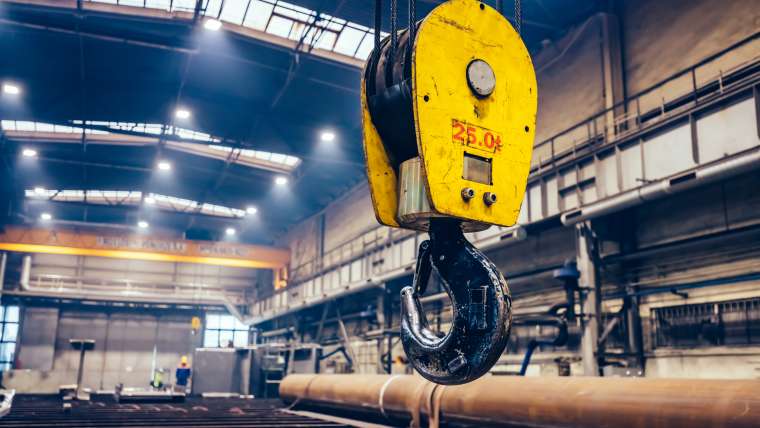


Workplace safety is more than policies, procedures, and protective equipment, it begins with mindset. A truly safe workplace is created when employees consistently prioritize safety before every task, decision, and action. This safety-first mindset plays a critical role in reducing workplace incidents, improving productivity, and strengthening organizational culture.
While safety regulations and compliance standards provide structure, employee training is what transforms safety from a requirement into a daily habit. Through proper education, practical awareness, and consistent reinforcement, organizations can build teams that naturally prioritize safer work practices.
What Is a Safety-First Mindset?
The first priority after any workplace incident is protecting people from further harm. If the situation is still dangerous, work should stop immediately until the area is secured.
For example, if equipment malfunctioned, the machine may need to be shut down and isolated. If hazardous materials are involved, workers should move to a safe area and follow emergency procedures.
Employers and supervisors should ensure that injured workers receive immediate assistance, emergency services are contacted if necessary, and unsafe equipment or work areas are secured to prevent additional incidents.
Why Training Is the Foundation
Once the area is safe, attention should shift to the injured worker. Even if an injury seems minor, it’s important to assess the situation carefully.
In some cases, first aid may be enough. In more serious situations, emergency medical services may be required. Workers trained in first aid training can play a vital role in providing immediate care until professional help arrives.
Quick medical response not only supports recovery but also helps document the severity of the incident accurately.
Moving Beyond Basic Compliance
Every workplace incident should be reported as soon as possible, regardless of how minor it appears. Reporting ensures that supervisors, safety personnel, and employers are aware of the situation and can begin the proper response process.
Incident reports typically include:
-
- Date and time of the incident
- Location
- Description of what happened
- Names of individuals involved
- Witness statements
- Details of injuries or damages
Prompt reporting helps preserve accurate information and ensures organizations remain compliant with workplace safety regulations.
Encouraging Employee Ownership
Workers who lack confidence in handling hazards or emergencies are more likely to hesitate or make poor decisions. Effective training helps build confidence by giving employees practical, real-world knowledge they can apply immediately.
Programs focused on first aid, fall protection, hazard communication, equipment operation, and emergency response provide workers with the tools they need to manage workplace risks more effectively.
Confident employees are often safer employees because they are better prepared to assess situations, respond quickly, and follow safe procedures under pressure.

Leadership’s Role in Reinforcing Safety
Employee training is most effective when leadership actively supports it. Supervisors and employers play a critical role in modeling safe behavior, reinforcing expectations, and creating an environment where safety remains a priority.
Leaders should:
-
- Participate in training programs
- Encourage open communication
- Recognize safe behaviors
- Address unsafe actions promptly
- Support continuous improvement
When management visibly prioritizes safety, employees are more likely to adopt the same mindset.
Communication Strengthens Safety Culture
Once the root causes are identified, organizations must take action to reduce the chances of another incident occurring. Corrective actions are designed to eliminate hazards, improve procedures, and strengthen workplace safety practices.
This may involve repairing equipment, updating safety protocols, improving signage, increasing supervision, or providing additional safety training for workers. For example, if an incident occurred because workers were unfamiliar with proper operating procedures, employers may introduce equipment-specific training or refresher courses to improve awareness and safe work habits.
Corrective actions should focus on long-term prevention rather than temporary fixes. When organizations actively address safety weaknesses, they create safer work environments and reduce future risks.
The Long-Term Benefits of Safety-First Training
Organizations that prioritize employee training and safety-first thinking often experience significant long-term benefits. These may include fewer incidents, lower compensation costs, reduced downtime, improved compliance, stronger morale, and greater operational efficiency.
More importantly, workers feel valued, protected, and empowered in their roles. This creates a more stable, productive workforce capable of maintaining safer practices over time.
Safety training is not simply about reducing incidents, it is about building stronger organizations.

Adapting Training to Modern Workplaces
As industries evolve, so do workplace risks. New technologies, changing regulations, and emerging operational challenges require organizations to keep safety programs updated.
Modern online safety courses, flexible certifications, and digital learning platforms make it easier than ever for employers to provide relevant, accessible training. Keeping education current ensures workers remain prepared for modern workplace hazards.
Step 8: Monitor and Prevent Future Risks
The final step after a workplace incident is ongoing prevention. Corrective measures should be monitored regularly to ensure they remain effective over time.
Organizations should continue conducting inspections, encouraging hazard reporting, reviewing safety performance, and reinforcing safe work practices through regular training and communication.
Workplace safety requires continuous improvement and active participation from both employers and employees.
The Importance of a Strong Safety Culture
How an organization responds after an incident says a lot about its overall safety culture. Workplaces that prioritize transparency, communication, and prevention are more likely to reduce future risks and maintain employee trust.
A positive safety culture encourages workers to:
-
- Report hazards early
- Participate in training
- Follow procedures consistently
- Support one another’s safety
When safety becomes part of daily operations, organizations are better equipped to handle incidents responsibly and prevent them from happening again.
Final Thoughts
A workplace incident can be stressful and disruptive, but the response afterward plays a critical role in protecting workers and improving future safety. From immediate medical care and reporting to investigations and corrective actions, every step matters.
Building a safety-first mindset requires more than compliance, it demands continuous employee training, supportive leadership, open communication, and a commitment to ongoing improvement.
When organizations prioritize safety education and leadership for safety, they create workplaces where employees naturally think proactively, act responsibly, and contribute to safer operations every day.
A strong safety-first mindset protects workers, strengthens business performance, and creates a culture where safety becomes an essential part of success.