
261 Seneca Road, Sherwood Park, AB, T8A 4G6

Tag: risk management

Heavy Equipment Blind Spots: What Every Worker Should Know

Heavy Equipment Blind Spots: What Every Worker Should Know

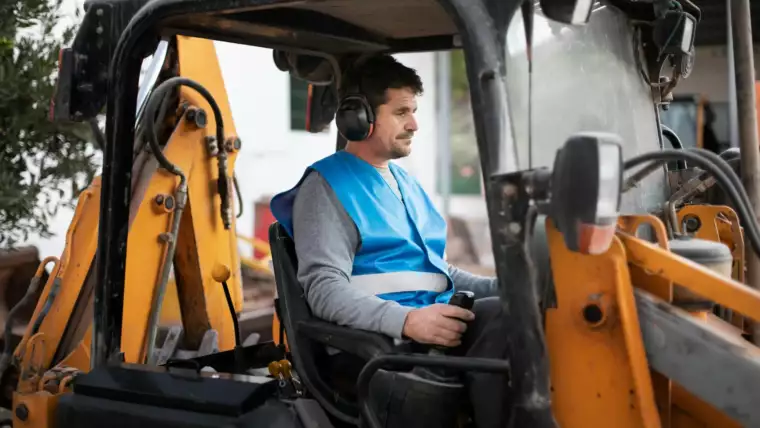
Heavy equipment is essential on construction sites, industrial facilities, mines, and other high-risk workplaces. From excavators and loaders to dump trucks and forklifts, these powerful machines help complete demanding tasks efficiently. However, they also present significant hazards, one of the most serious being blind spots. Every year, workers are injured or killed because equipment operators cannot see people, vehicles, or…

Read more

Near Miss Reporting: Why Small Incidents Deserve Big Attention

Near Miss Reporting: Why Small Incidents Deserve Big Attention

When a serious workplace incident occurs, it often receives immediate attention. Investigations are launched, procedures are reviewed, and corrective actions are implemented. But what about the incidents that almost happened? Near misses are often overlooked because no one was injured and no property was damaged. However, these seemingly minor events can provide some of the most valuable insights into workplace…

Read more

Safety Lessons Learned from Major Workplace Incidents

Safety Lessons Learned from Major Workplace Incidents

Every workplace incident tells a story. While some incidents result in minor injuries or property damage, others have far-reaching consequences that affect workers, families, organizations, and entire industries. Major workplace incidents often attract attention because of their severity, but they also provide valuable opportunities to learn and improve. Throughout history, investigations into serious workplace accidents have revealed common themes: overlooked…

Read more

Leadership for Safety: Building Trust on the Job Site

Leadership for Safety: Building Trust on the Job Site

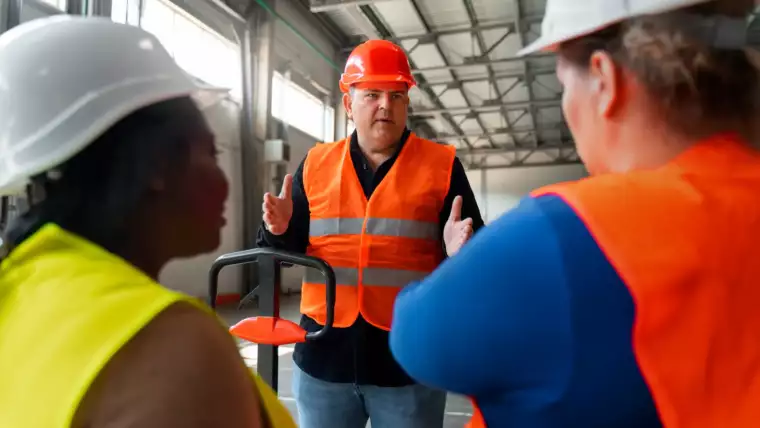
When people think about workplace safety, they often focus on equipment, procedures, training programs, and regulations. While these elements are essential, one factor has a significant influence on whether safety initiatives succeed or fail: leadership. Strong safety leadership goes beyond enforcing rules and conducting inspections. It involves building trust, encouraging communication, and creating an environment where workers feel supported and…

Read more

How to Conduct an Effective Workplace Safety Audit

How to Conduct an Effective Workplace Safety Audit

Workplace safety does not happen by chance. Even organizations with strong safety programs can develop gaps in procedures, equipment maintenance, training, or hazard controls over time. That is why regular workplace safety audits are essential. A safety audit provides an opportunity to identify risks, evaluate existing safety measures, and ensure that workplace practices continue to protect employees effectively. Far more…

Read more

Building a Safety-First Mindset Through Employee Training

Building a Safety-First Mindset Through Employee Training

Workplace safety is more than policies, procedures, and protective equipment, it begins with mindset. A truly safe workplace is created when employees consistently prioritize safety before every task, decision, and action. This safety-first mindset plays a critical role in reducing workplace incidents, improving productivity, and strengthening organizational culture. While safety regulations and compliance standards provide structure, employee training is what…

Read more

What Happens After a Workplace Incident? A Step-by-Step Breakdown

What Happens After a Workplace Incident? A Step-by-Step Breakdown

A workplace incident can happen in seconds, but the impact often lasts much longer. Whether it’s a minor injury, equipment damage, chemical spill, or serious accident, what happens immediately after the incident is critical. The response not only affects the injured worker but also influences workplace safety, legal compliance, employee morale, and future risk prevention. Unfortunately, many workers and employers…

Read more

Working Alone: Safety Risks and How to Manage Them

Working Alone: Safety Risks and How to Manage Them

For many workers, the job doesn’t always involve being surrounded by coworkers or supervisors. Across industries like transportation, field services, security, construction, and maintenance, thousands of employees regularly work alone. While solo work can offer flexibility and independence, it also comes with unique safety challenges that require careful planning. When workers operate without immediate support, even small incidents can quickly…

Read more