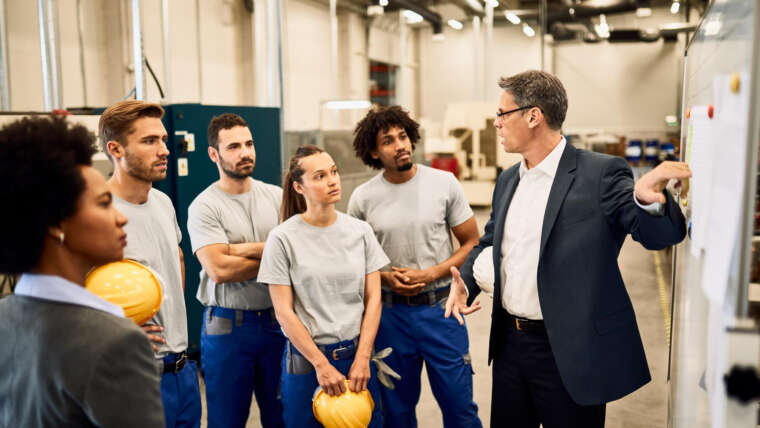

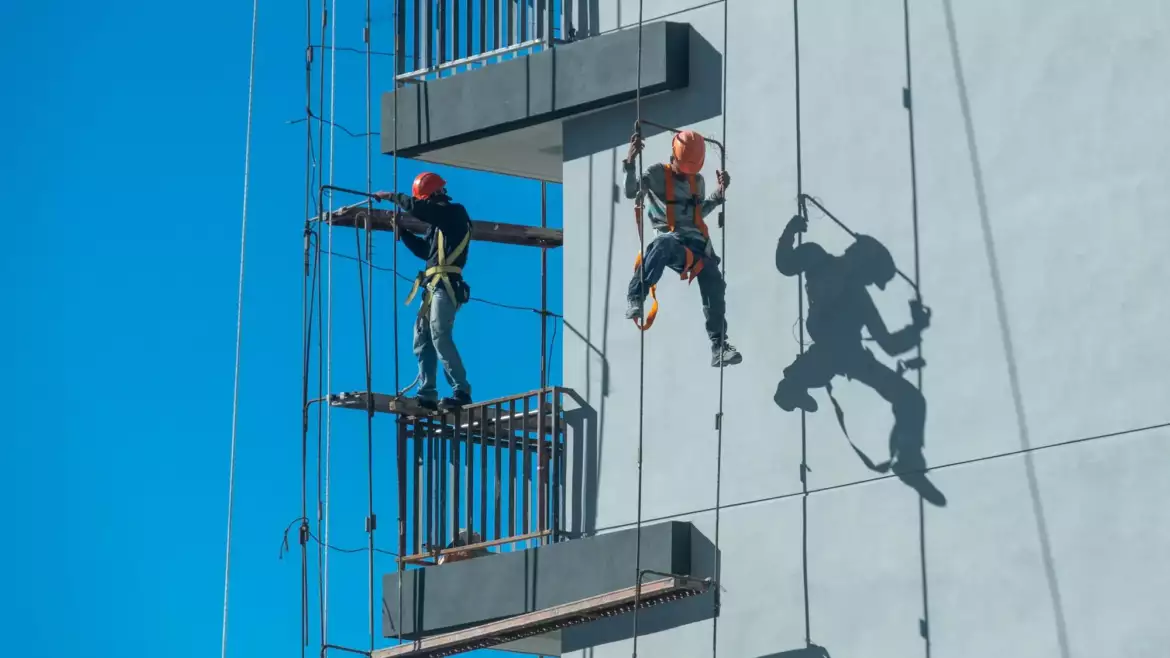
Falls remain one of the leading causes of serious workplace injuries and fatalities across multiple industries, especially in construction, manufacturing, and maintenance work. Whether it’s working on scaffolding, ladders, rooftops, or elevated platforms, the risk of falling is always present when workers operate at heights. While safety equipment plays an important role, it is fall protection training that truly makes the difference between a safe worksite and a dangerous one.
In evolving work environments, simply having safety gear is not enough. Workers need the knowledge, awareness, and confidence to use that equipment correctly and recognize potential hazards before they lead to incidents.
Why Falls Are Still a Major Workplace Risk
Despite increased awareness and improved safety standards, falls continue to be a common cause of workplace injuries. One reason is that many workers underestimate the risks associated with working at heights. Tasks that seem routine such as climbing a ladder or working on a platform can quickly become dangerous if proper precautions are not taken.
Another issue is improper use of equipment. Harnesses, guardrails, and lifelines are only effective if they are used correctly. Without proper training, workers may misuse equipment, skip safety checks, or fail to recognize unsafe conditions.
This is why fall protection training is essential. It ensures that workers not only have access to safety equipment but also understand how to use it effectively in real-world situations.
What Fall Protection Training Covers
Fall protection training provides workers with the skills and knowledge needed to identify hazards and protect themselves when working at heights. It goes beyond basic instructions and focuses on practical safety measures that can be applied on the job.
Training typically includes:
- Identifying fall hazards in different work environments
- Understanding the hierarchy of fall protection (elimination, prevention, and protection)
- Proper use of personal protective equipment (PPE) such as harnesses and lanyards
- Inspecting fall protection equipment before use
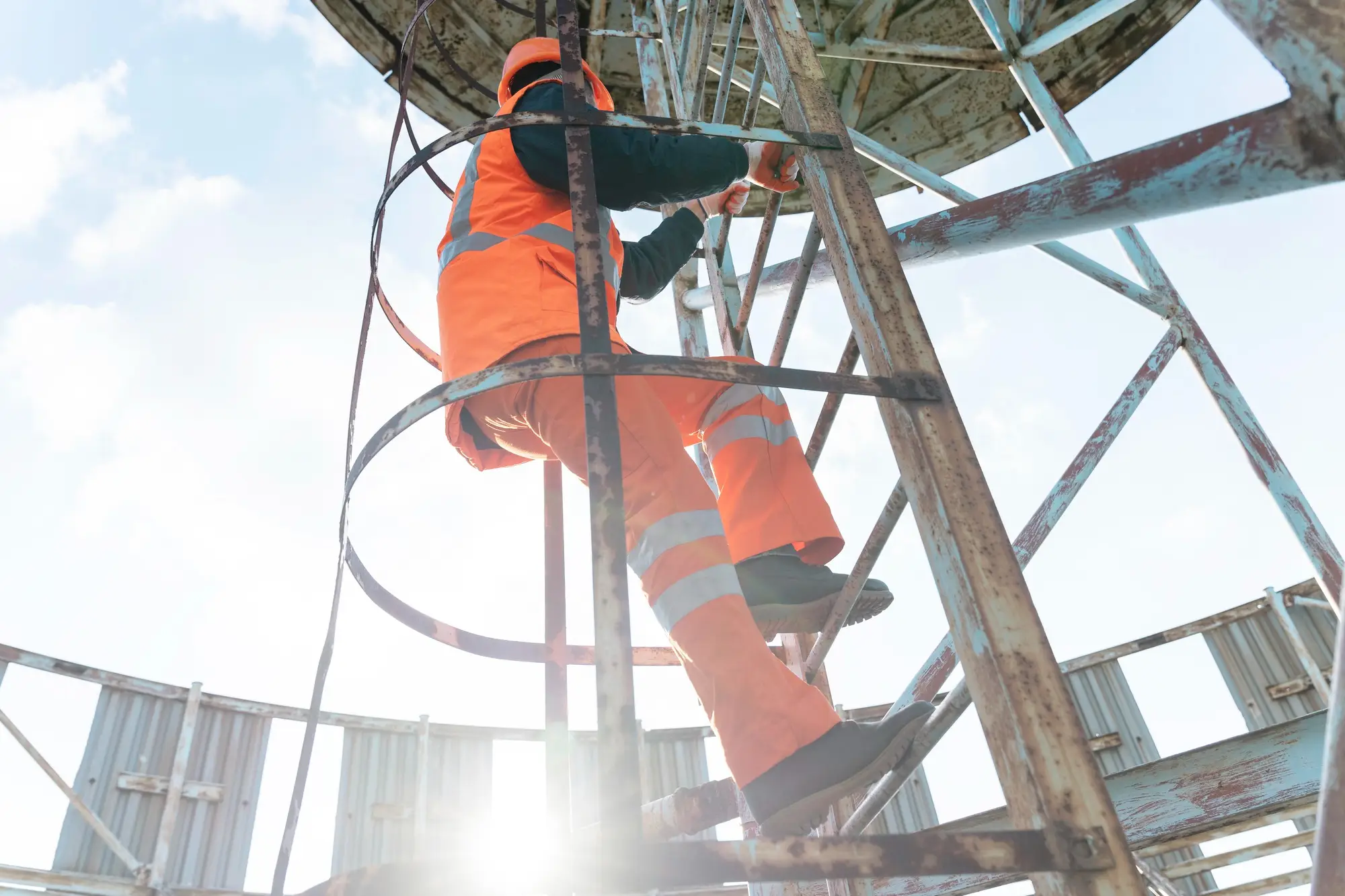
- Safe use of ladders, scaffolding, and elevated work platforms
- Emergency response procedures in case of a fall
By covering these areas, training helps workers develop a clear understanding of how to minimize risks and stay safe while performing their tasks.
Reducing Injuries Through Awareness and Prevention
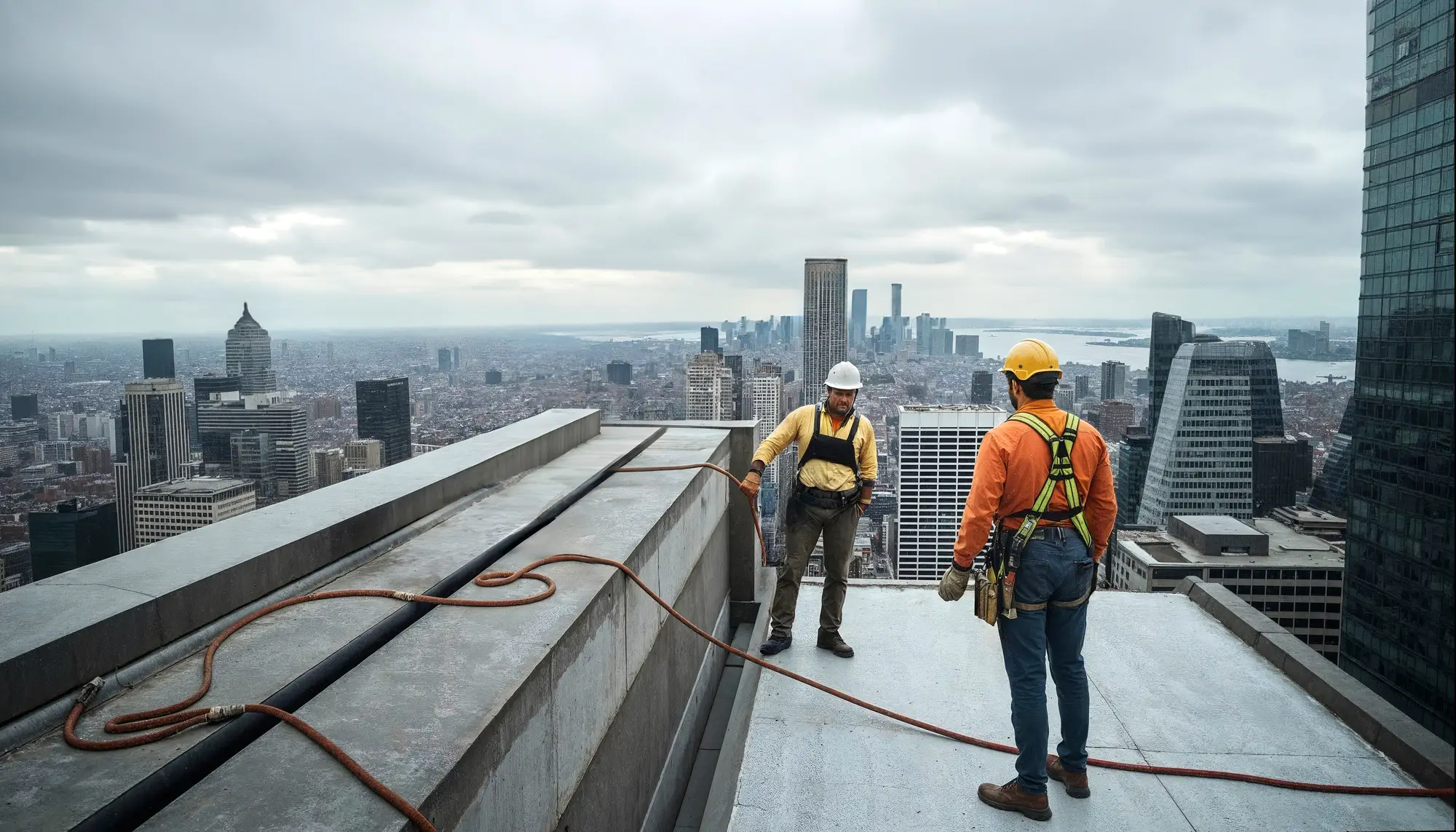
One of the biggest benefits of fall protection training is increased awareness. When workers are trained to recognize hazards, they are more likely to take preventive measures before starting a job. This proactive approach helps reduce the likelihood of accidents.
For example, a trained worker will assess the work area before climbing to a height. They will check for unstable surfaces, ensure that guardrails are in place, and confirm that their equipment is properly secured. These simple steps can prevent serious injuries and save lives.
Training also emphasizes the importance of following safety procedures consistently. Even experienced workers can become complacent over time, which increases the risk of accidents. Regular training reinforces safe habits and reminds workers of the importance of staying alert.
Building Confidence and Competence
Working at heights can be stressful, especially for workers who are not properly trained. Fear, uncertainty, and lack of knowledge can lead to poor decision-making and unsafe behavior. Fall protection training helps eliminate these issues by building confidence and competence.
When workers understand how to use their equipment and follow safety procedures, they feel more comfortable performing their tasks. This confidence leads to better focus, improved performance, and fewer mistakes.
Confident workers are also more likely to communicate effectively with their team, report hazards, and take responsibility for maintaining a safe work environment.
Supporting a Strong Safety Culture
Fall protection training plays a key role in creating a strong safety culture within an organization. When companies focus on training, they show that worker safety is a priority. This encourages employees to take safety seriously and follow procedures more consistently.
A strong safety culture goes beyond individual behavior. It involves teamwork, communication, and shared responsibility. Workers who are trained in fall protection are more likely to look out for each other, remind coworkers about safety practices, and report unsafe conditions.
Over time, this creates a workplace where safety becomes part of everyday operations rather than just a set of rules. This not only reduces injuries but also improves overall productivity and morale.
The Cost of Ignoring Fall Protection Training
Failing to provide proper training can have serious consequences for both workers and employers. Workplace injuries can lead to medical expenses, lost productivity, project delays, and legal issues. In some cases, accidents can result in long-term disabilities or even fatalities.
For businesses, these incidents can damage their reputation and lead to financial losses. In contrast, investing in fall protection training helps prevent these issues by reducing the risk of accidents and ensuring compliance with safety regulations.
Training is not just an expense, it is an investment in the safety and success of both workers and the organization.
Adapting to Modern Work Environments
As workplaces continue to evolve, new challenges and risks are emerging. Advanced equipment, complex job sites, and tighter project timelines all require workers to be more skilled and aware than ever before.
Modern fall protection training programs are designed to address these challenges by incorporating real-world scenarios and practical applications. Many training programs are now available online, making it easier for workers to access important safety information and stay up to date with best practices.
This flexibility allows companies to train their workforce efficiently without disrupting operations, ensuring that safety remains a priority at all times.
Final Thoughts
Falls are one of the most preventable workplace injuries, yet they continue to pose a significant risk across industries, particularly in environments where construction safety is critical. The key to reducing these incidents lies in proper training. Fall protection training equips workers with the knowledge, skills, and confidence they need to work safely at heights.
By focusing on hazard awareness, proper equipment use, and consistent safety practices, training helps prevent accidents before they happen. It also supports a strong safety culture where workers take responsibility for their own safety and the safety of others.
In modern workplaces, fall protection training plays a vital role in reducing risks, protecting workers, and supporting safer, more efficient operations. For organizations looking to strengthen their safety programs, it’s a smart step to enroll in our fall protection training helping teams build safer habits and improve overall jobsite safety.