

When people think about workplace hazards, they often picture obvious dangers, heavy machinery, working at heights, or hazardous chemicals. But in reality, many incidents occur because of risks that are easily overlooked. These hidden workplace hazards quietly build up over time, often going unnoticed until they lead to injuries, health issues, or costly downtime.
Understanding and addressing these less obvious dangers is essential for creating a safer, more proactive work environment. More importantly, it highlights why continuous learning and safety awareness should be a priority for every employee.
1. Poor Housekeeping and Clutter
It may seem harmless, but cluttered workspaces are one of the most common hidden hazards. Loose cables, scattered tools, or spilled liquids can quickly lead to slips, trips, and falls.
Employees often become used to their surroundings and stop noticing these risks. Over time, what looks like a minor inconvenience can turn into a serious accident. Simple habits like keeping walkways clear and cleaning up immediately can significantly reduce these incidents.
Safety courses often emphasize hazard recognition, helping workers identify these everyday risks before they escalate.
2. Repetitive Strain and Poor Ergonomics
Not all injuries happen suddenly. Repetitive tasks, poor posture, and improper workstation setups can lead to long-term musculoskeletal issues.
Office workers, drivers, and equipment operators are particularly at risk. Sitting for extended periods, improper lifting techniques, or repetitive motions can cause chronic pain and reduce productivity.
Training programs that include ergonomics awareness help employees understand how to adjust their work habits and environments, preventing injuries that develop over time.
3. Overconfidence and Complacency
One of the most dangerous hazards isn’t physical, it’s behavioral. Employees who have been doing the same job for years may become overly confident and start skipping safety steps.
This could mean ignoring PPE, rushing through tasks, or assuming “nothing will go wrong.” Unfortunately, complacency is a leading cause of workplace incidents.
Regular refresher safety courses play a key role here. They remind workers of the importance of following procedures and reinforce a mindset where safety is never taken for granted.
4. Poor Communication on Site
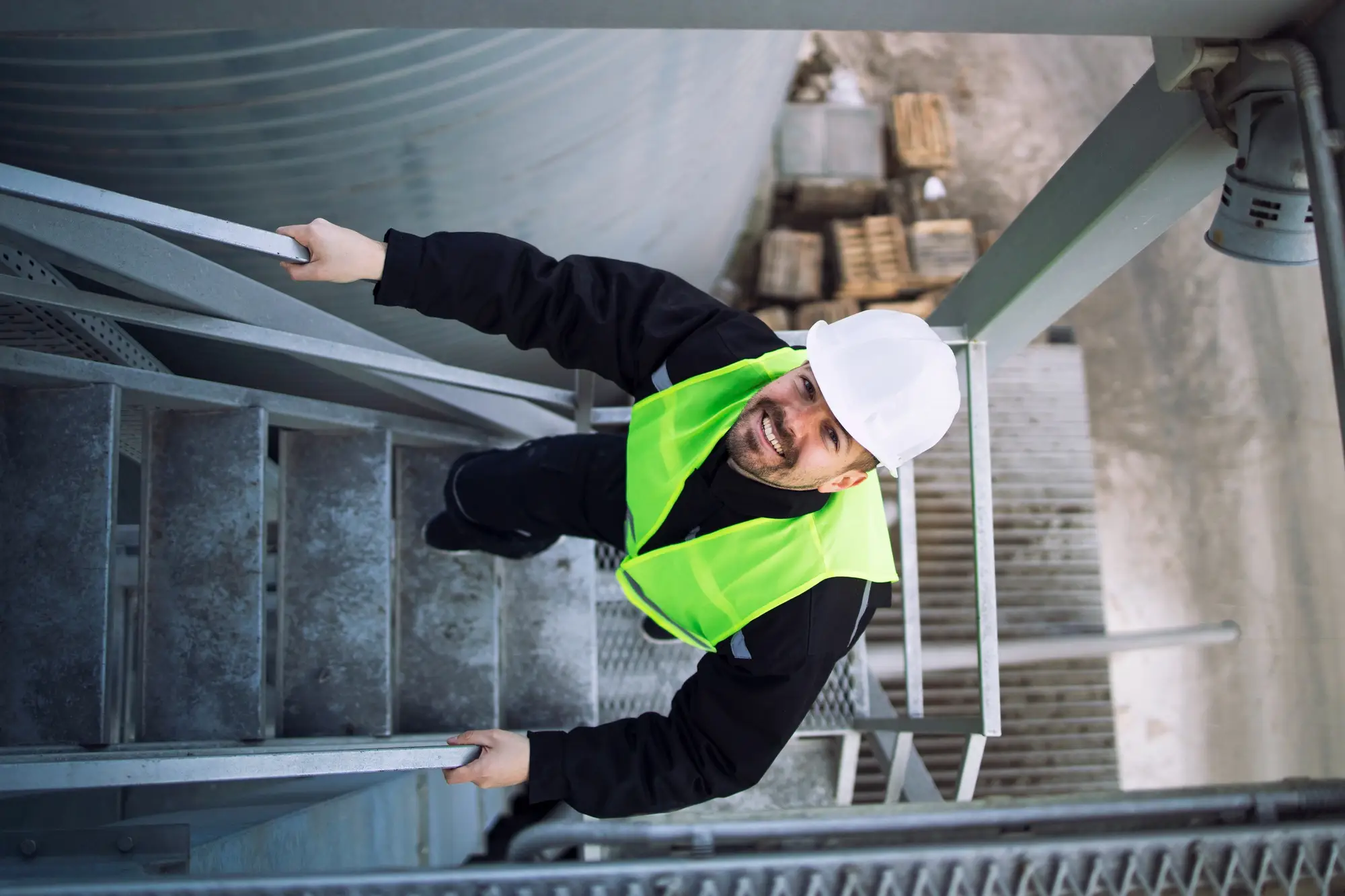
Miscommunication can lead to serious accidents, especially in busy environments like construction sites or warehouses. Workers may not be aware of ongoing tasks, equipment movement, or changes in procedures.
For example, a lack of clear signals between equipment operators and ground workers can result in collisions or injuries. Similarly, unclear instructions can lead to mistakes that compromise safety.
Safety training often includes communication protocols, ensuring that everyone understands their role and how to share critical information effectively.
5. Fatigue and Mental Distraction
Fatigue is an often underestimated hazard. Long shifts, physically demanding work, or even lack of sleep can reduce focus and reaction time.
Mental distraction whether due to stress, personal issues, or multitasking can also increase the likelihood of mistakes. In high-risk environments, even a momentary lapse in attention can have serious consequences.
Workplace safety programs increasingly address these issues by promoting awareness around mental health, rest, and workload management. Employees who are alert and focused are far less likely to make critical errors.
6. Improper Use of Equipment
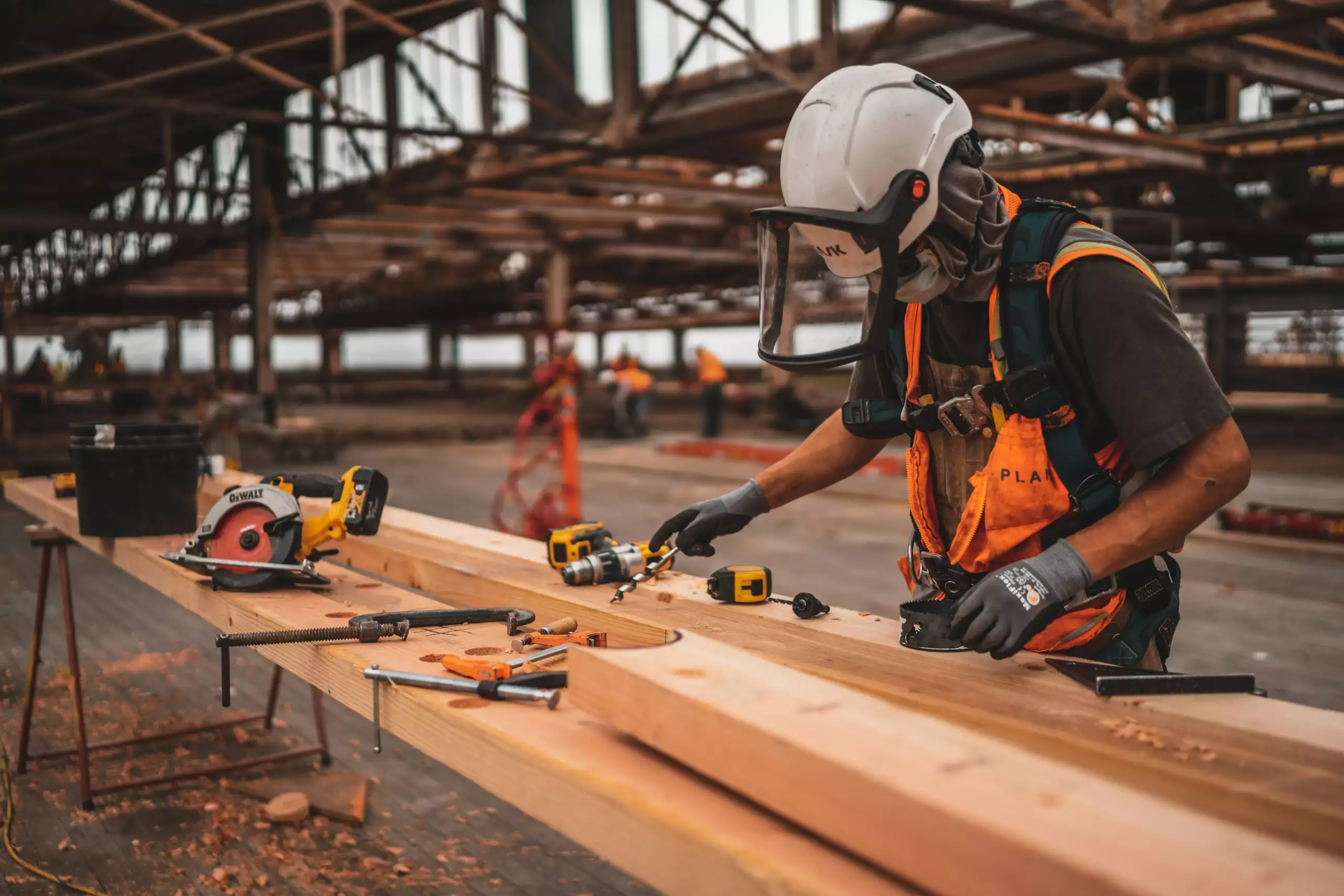
Even when the right tools are available, improper use remains a hidden risk. Employees may use equipment without proper training or take shortcuts to save time.
This not only increases the chance of injury but can also damage equipment and disrupt operations. For instance, failing to inspect machinery before use or ignoring manufacturer guidelines can lead to unexpected failures.
Equipment-specific safety courses help workers understand correct usage, inspection procedures, and maintenance practices reducing both risks and downtime.
7. Unnoticed Environmental Hazards
Environmental factors such as poor lighting, excessive noise, or inadequate ventilation often go unnoticed but can have serious effects.
-
- Poor lighting increases the risk of trips and errors
- High noise levels can lead to hearing damage and miscommunication
- Poor air quality can cause respiratory issues over time
These hazards develop gradually, making them easy to ignore. Training helps workers recognize these conditions and report them before they impact health and safety.
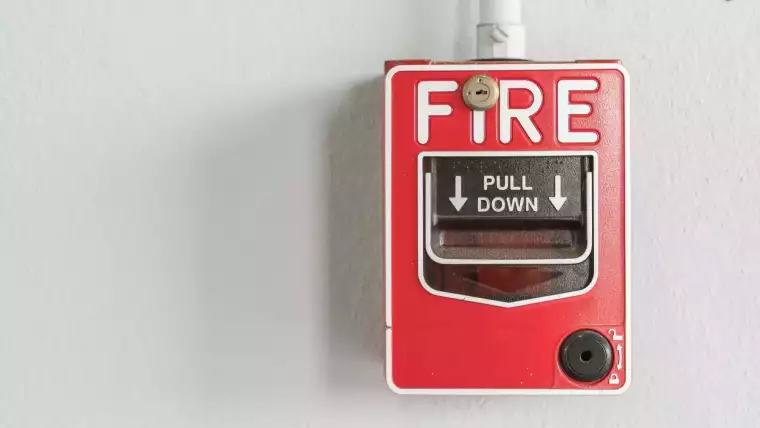
8. Lack of Emergency Preparedness
Many workplaces have emergency procedures in place, but not all employees are familiar with them. In an emergency, confusion and panic can make situations worse.
Knowing evacuation routes, first aid basics, and how to respond to incidents can make a significant difference. Safety courses that cover emergency preparedness ensure that workers are ready to act quickly and effectively when it matters most.
Building Awareness Through Training
The common thread across all these hidden hazards is awareness. Most of these risks are not inherently complex, they are simply overlooked.
This is where safety courses become essential. They do more than just provide information; they help shape behavior. Through regular training, employees learn to:
-
- Recognize hazards early
- Follow safe work practices consistently
- Communicate effectively
- Take responsibility for their own safety and that of others
Over time, this leads to a stronger safety culture where risks are addressed proactively rather than reactively.
Final Thoughts
Hidden workplace hazards are often the most dangerous because they blend into daily routines. Whether it’s clutter, fatigue, or complacency, these risks can easily be ignored until an incident occurs.
By prioritizing awareness and continuous learning, organizations can significantly reduce these risks. Investing in safety courses ensures that employees stay informed, alert, and prepared, no matter their role or experience level.
In the end, workplace safety isn’t just about avoiding accidents, it’s about creating an environment where every worker feels confident, capable, and protected every single day.