

Lead can be found in a variety of workplace environments, particularly during renovation, demolition, construction, painting, maintenance, and activities involving older materials or lead-containing products. Because lead exposure can occur through inhalation, ingestion, or contact with contaminated surfaces, preventing exposure requires more than simply wearing protective equipment.
A safer workplace approach combines proper controls, appropriate personal protective equipment (PPE), good hygiene, effective housekeeping, and safe work practices. Understanding how these measures work together can help workers recognize hazards and reduce unnecessary exposure.
Identify Potential Sources of Lead Exposure
The first step in preventing exposure is understanding where lead may be present. Workers may encounter lead in old coatings and paints, pipes, batteries, certain building materials, metal products, contaminated dust, and other materials depending on the workplace and task.
Activities that disturb lead-containing materials can create dust or particles that may become airborne. Cutting, sanding, grinding, scraping, welding, demolition, and other tasks can increase the potential for exposure.
Before starting work, workers should understand the materials involved, the tasks being performed, and the controls that have been established for the job. Identifying potential sources early allows appropriate precautions to be planned rather than relying on PPE as the only line of defense.
Use Controls Before Relying on PPE
PPE is an important part of lead exposure prevention, but it should not be the only safety measure. Effective exposure prevention generally begins with eliminating or reducing the hazard where practical through engineering and work-practice controls. These may include isolating the source, improving ventilation, using methods that generate less dust, or limiting the duration of exposure.
Work procedures should be designed to minimize the amount of lead-containing dust or debris released into the workplace. For example, suitable methods for controlling dust can reduce the chance of contaminants becoming airborne and spreading to other areas.
The specific controls needed will depend on the material, task, workplace, and level of potential exposure.
Choose PPE Based on the Hazard
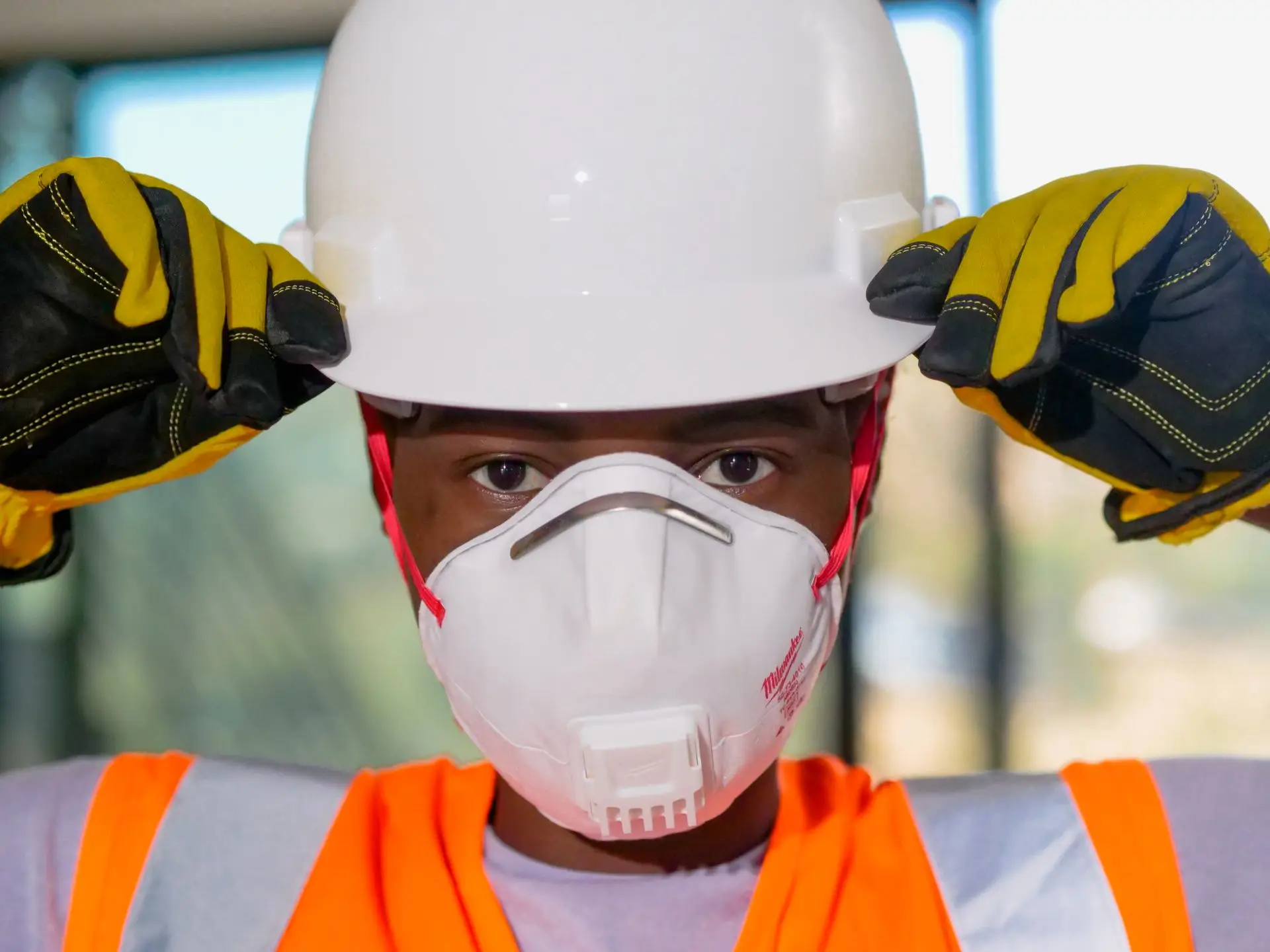
When exposure cannot be adequately controlled through other measures, appropriate PPE can provide an additional layer of protection. Depending on the work, this may include protective clothing, gloves, eye protection, footwear, and respiratory protection.
However, simply having PPE available does not make a task safe. Workers need to understand which equipment is appropriate, how to use it correctly, and its limitations. Respiratory protection, for example, needs to be selected and used according to the hazards and applicable workplace requirements.
Protective clothing should also be managed carefully. Contaminated clothing should not be handled in a way that spreads lead dust to clean areas, vehicles, homes, or other people.
Keep Work Areas Clean
Good housekeeping is an important part of controlling lead exposure. Lead dust and debris can accumulate on floors, equipment, tools, work surfaces, and other areas if they are not properly controlled.
Cleaning methods should avoid unnecessarily putting settled contaminants back into the air. For workplaces where lead is present, appropriate vacuuming or other suitable cleaning methods may be preferable to practices that disperse dust. Compressed air should not be used as a routine method for removing lead contamination because it can spread particles into the air.
A consistent housekeeping routine can help prevent contamination from building up and spreading beyond the immediate work area.
Practice Good Personal Hygiene
Personal hygiene plays a major role in preventing lead from being accidentally ingested. Workers should wash their hands and face before eating, drinking, smoking, or applying cosmetics when working in areas where lead contamination may be present.
Food and beverages should be kept away from contaminated work areas. Workers should also avoid bringing contaminated gloves, clothing, tools, or other items into clean areas unless they have been appropriately cleaned or handled according to workplace procedures.
These simple habits can help prevent lead particles from transferring from contaminated surfaces to the mouth or other parts of the body.
Prevent Cross-Contamination
Lead exposure prevention does not stop when the task is finished. Contaminated clothing, footwear, equipment, and tools can carry lead dust into areas where exposure was not expected.
Workers should follow established procedures for removing, storing, cleaning, or disposing of contaminated PPE and work clothing. Where designated changing areas are provided, they should be used as intended.
Keeping work clothing separate from personal clothing can also help reduce the possibility of transferring contaminants outside the work area.
Follow Safe Work Practices
The way a job is performed can have a major impact on exposure. Workers should follow established procedures, use the appropriate tools and controls, maintain equipment properly, and avoid unnecessary disturbance of lead-containing materials.
Before beginning a task, consider questions such as:
-
- Could this activity create lead-containing dust?
- What controls are available?
- What PPE is required?
- How will contaminated materials be collected?
- Where should PPE and work clothing be removed?
- What cleaning procedures should be followed?
Taking a few moments to consider these factors can help prevent avoidable exposure.

Training Supports Better Lead Safety
Workers who may encounter lead need to understand the hazards associated with their tasks and the procedures used to control exposure. Effective lead safety training can help workers recognize potential sources, understand exposure routes, use PPE appropriately, and follow proper hygiene and work practices.
Training should be relevant to the workplace and supported by clear procedures, appropriate equipment, supervision, and ongoing attention to exposure controls.
Make Lead Prevention Part of Everyday Work
Preventing lead exposure requires a combination of measures rather than one single precaution. PPE, hygiene, housekeeping, engineering controls, safe work procedures, and worker awareness all contribute to a safer working environment.
Workers should take potential lead hazards seriously, follow established procedures, and understand how contamination can spread from the work area. Employers and supervisors can support these efforts by providing appropriate controls, equipment, information, and training.
When lead exposure prevention becomes part of everyday work practices, workers are better prepared to recognize hazards and take appropriate steps before exposure occurs.