

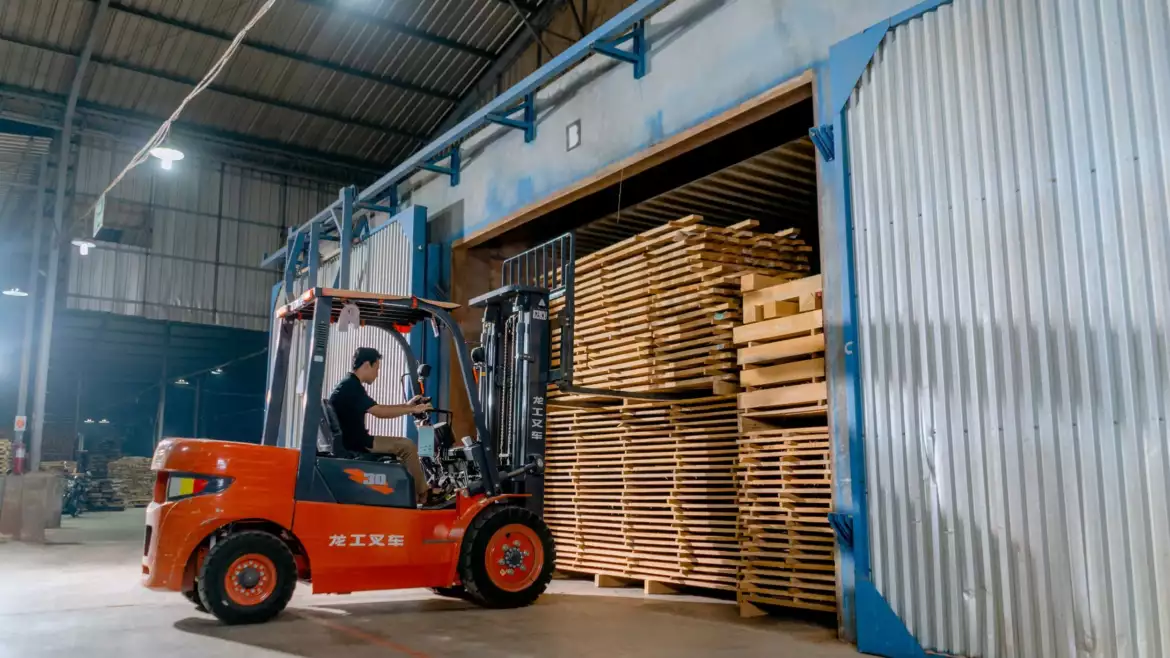
Warehouses are busy environments where forklifts move pallets, transport materials, and support daily operations. At the same time, workers walk through aisles, pick orders, organize stock, and load shipments. When pedestrians and moving forklifts share the same space, even a brief lapse in attention can lead to a serious accident.
Preventing these incidents requires more than careful driving. Operators, pedestrians, supervisors, and warehouse managers all have a role in creating an environment where people and equipment can work safely together. By recognizing common hazards and establishing consistent safety practices, warehouses can reduce collision risks and protect their workforce.
Why Forklift and Pedestrian Accidents Happen
Forklift-related incidents can occur for several reasons, including limited visibility, excessive speed, poor communication, obstructed walkways, and congested work areas. Operators may struggle to see pedestrians when carrying large loads or manoeuvring around corners and storage racks.
Pedestrians can also contribute to dangerous situations when they cross equipment routes unexpectedly, walk through restricted areas, or assume an operator has noticed them.
Noise from machinery, alarms, conversations, and other warehouse activities can make it harder for workers to hear approaching equipment. Poor lighting and cluttered aisles add further challenges.
Understanding these risks is the first step toward preventing accidents. Both operators and pedestrians need to recognize that forklifts require sufficient stopping distance and cannot always change direction quickly enough to avoid someone entering their path.
Separate Pedestrian Walkways From Forklift Routes
One of the most effective ways to reduce collision risks is to separate people from moving equipment wherever possible.
Warehouses should establish designated pedestrian walkways and clearly marked forklift travel routes. Floor markings, warning signs, physical barriers, and controlled crossing points can help workers understand where they should walk and where equipment operates.
Pedestrian routes should remain clear of pallets, packaging, cords, and stored materials. Blocked walkways may force workers into forklift travel lanes, increasing their exposure to moving machinery.
Where complete separation is not practical, managers should assess the area and introduce suitable controls, such as protected crossing points, barriers, warning signals, or designated procedures for shared spaces.
Improve Visibility at Corners and Intersections
Blind corners and intersections are particularly dangerous because operators and pedestrians may approach each other without realizing it.
Forklift operators should slow down when approaching obstructed areas, sound the horn where appropriate, and proceed only when they have a clear view of the travel path. Mirrors at blind intersections and suitable warning systems can improve awareness.
Pedestrians should stop and check both directions before crossing equipment routes. They should avoid stepping out from behind shelving, stacked pallets, or doorways without checking for approaching forklifts.
Loads can also block an operator’s forward view. Operators should follow the manufacturer’s instructions and workplace procedures for travelling safely when visibility is restricted rather than attempting to navigate blindly.
Follow Safe Practices When Operating Forklifts
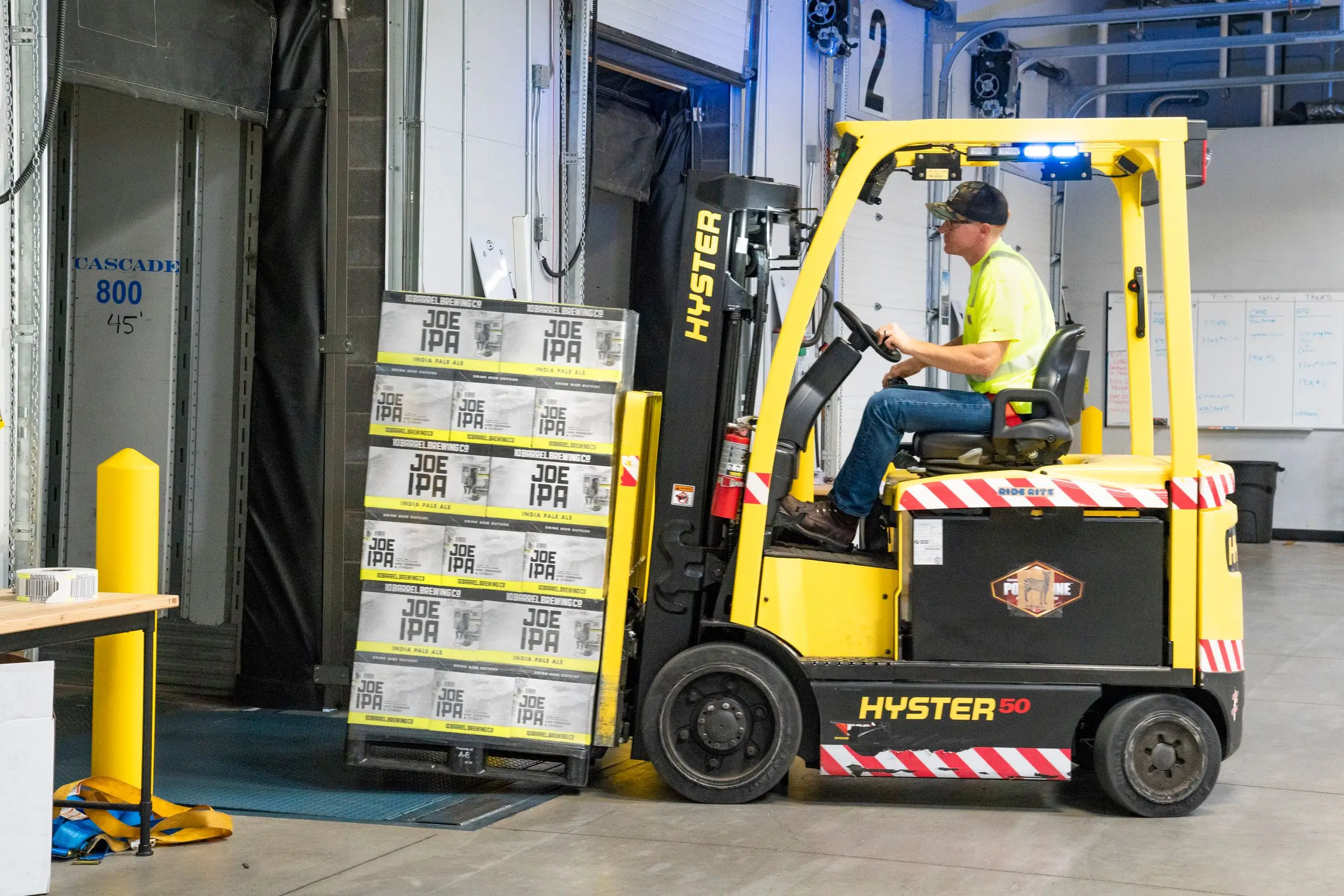
Operators must remain alert to changing conditions throughout their shift. Travelling too quickly, turning sharply, reversing without checking, or becoming distracted can put nearby workers at risk.
Before operating a forklift, complete the required inspection and report defects that could affect safe operation. Check that warning devices, brakes, steering, lights, and other essential components are functioning as required.
Operators should travel at a speed appropriate for the conditions, maintain control of the vehicle, and keep a clear view of their path. They should slow down in congested areas, take extra care near loading docks, and avoid sudden movements that could destabilize a load.
Forklift training helps operators understand the equipment, recognize workplace hazards, and develop the skills needed to operate safely. Training should be supported by practical evaluation, site-specific instructions, and regular attention to safe work practices.
Make Pedestrian Awareness a Daily Habit
Warehouse workers should never assume that a forklift operator can see them. Blind spots, large loads, noise, and surrounding activity can limit an operator’s awareness.
Pedestrians should use designated walkways, stay clear of operating equipment, and make themselves visible when working near vehicle routes. High-visibility clothing can improve visibility where required, but it does not replace physical separation or safe movement practices.
Before approaching a forklift, workers should follow the site’s communication procedures and wait until the operator has acknowledged them and the machine is in a safe state. Nobody should walk or stand beneath an elevated load or enter an area where materials could fall.
Workers should also avoid distractions, including looking at mobile devices while walking through active warehouse areas.
Keep Loading and Unloading Areas Safe
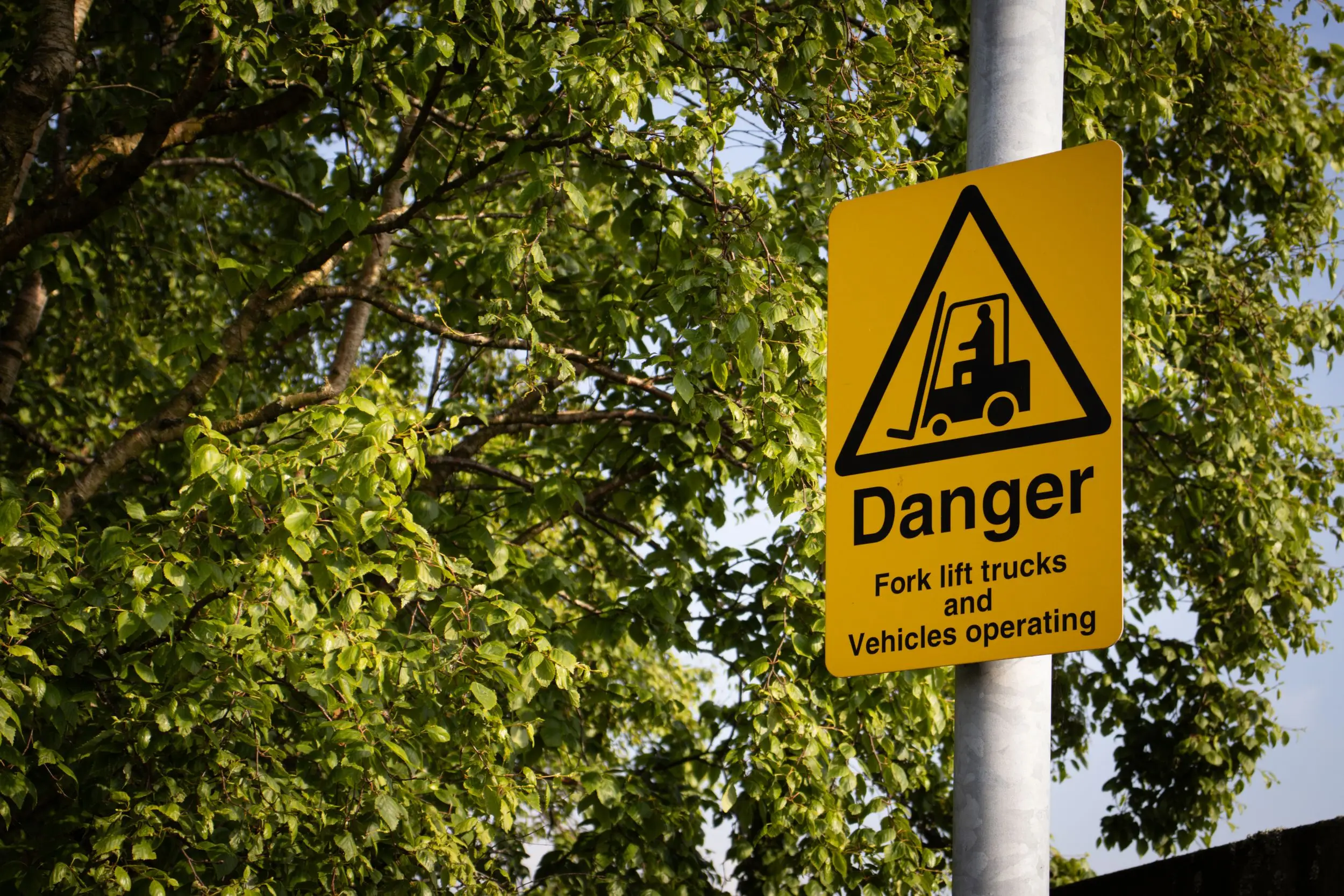
Loading docks and shipping areas often combine pedestrian movement, reversing vehicles, moving forklifts, and shifting cargo. This creates several opportunities for incidents if work is not coordinated.
Keep pedestrians away from active loading zones unless their presence is necessary and controlled. Ensure dock plates and trailer connections are secure before equipment crosses them, and keep people clear of unstable or suspended loads.
Warehouse teams should communicate before moving materials and establish clear procedures for drivers, operators, and ground workers. Good housekeeping is equally important: remove loose packaging, clean spills promptly, and keep access routes free of obstructions.
Build a Strong Warehouse Safety Culture
Safety procedures work best when everyone understands and consistently follows them. Supervisors should explain traffic rules, identify high-risk areas, and encourage workers to report near misses, damaged equipment, and unsafe conditions.
Regular safety discussions can help teams identify recurring problems, such as pedestrians taking shortcuts or pallets obstructing sightlines. Managers can then address the underlying causes instead of relying only on reminders.
A strong approach to equipment safety includes appropriate inspections, maintenance, operator competency, clear communication, and controls that reduce the chance of people and machinery coming into conflict.
Make Accident Prevention Everyone’s Responsibility
Preventing forklift and pedestrian accidents requires shared responsibility. Operators must control their vehicles and watch for people, while pedestrians need to follow designated routes and remain alert. Warehouse managers must provide safe layouts, suitable traffic controls, and clear procedures.
Small actions can make a meaningful difference: slowing down at corners, keeping aisles clear, using marked walkways, and communicating before entering shared work areas.
When these practices become part of everyday operations, warehouses can reduce avoidable risks and create a safer working environment for everyone.