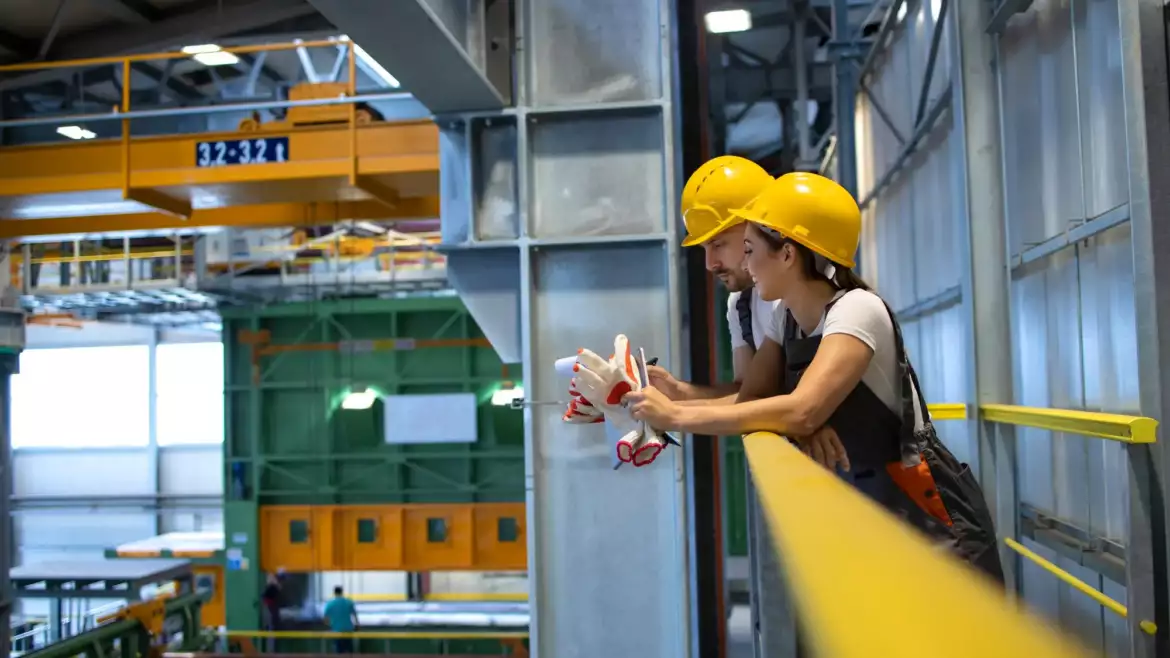
Overhead cranes are essential pieces of equipment in manufacturing plants, warehouses, construction sites, steel facilities, and many industrial workplaces. They help move heavy materials efficiently, reduce manual handling, and improve productivity. However, when operated improperly or without adequate safety measures, overhead cranes can create serious workplace hazards that may result in injuries, equipment damage, or even fatalities.
Many crane-related incidents are preventable. By understanding common lifting hazards and implementing safe operating procedures, employers and workers can significantly reduce risks while maintaining efficient operations. A strong focus on overhead crane safety not only protects employees but also contributes to a safer and more productive workplace.
Why Overhead Crane Safety Matters
Overhead cranes are designed to lift and transport loads that would be impossible or unsafe to move manually. While these machines offer tremendous benefits, they also involve substantial risks due to the weight of the loads being handled and the complexity of lifting operations.
A single mistake during a lift can lead to:
-
- Dropped loads
- Struck-by incidents
- Equipment collisions
- Structural damage
- Worker injuries
- Production delays
Because of these potential consequences, safe crane operation should always be a top priority.
Common Overhead Crane Hazards
Understanding the most common hazards is the first step toward preventing incidents.
Overloading the Crane
One of the most dangerous mistakes operators can make is lifting loads that exceed the crane’s rated capacity. Overloading places excessive stress on the crane structure, hoist mechanisms, and lifting components.
Overloaded cranes may experience:
-
- Mechanical failure
- Load instability
- Structural damage
- Unexpected equipment breakdowns
Operators should always verify load weights and ensure they remain within the crane’s specified capacity limits.
Improper Rigging
Even when a crane is functioning properly, incorrect rigging can create significant hazards. Improperly secured loads may shift, swing, or detach during lifting operations.
Common rigging mistakes include:
-
- Using damaged slings
- Selecting the wrong sling type
- Improper load balancing
- Incorrect attachment points
- Failure to inspect rigging equipment
Proper rigging procedures are critical for maintaining load stability throughout the lifting process.
Struck-By and Caught-Between Incidents
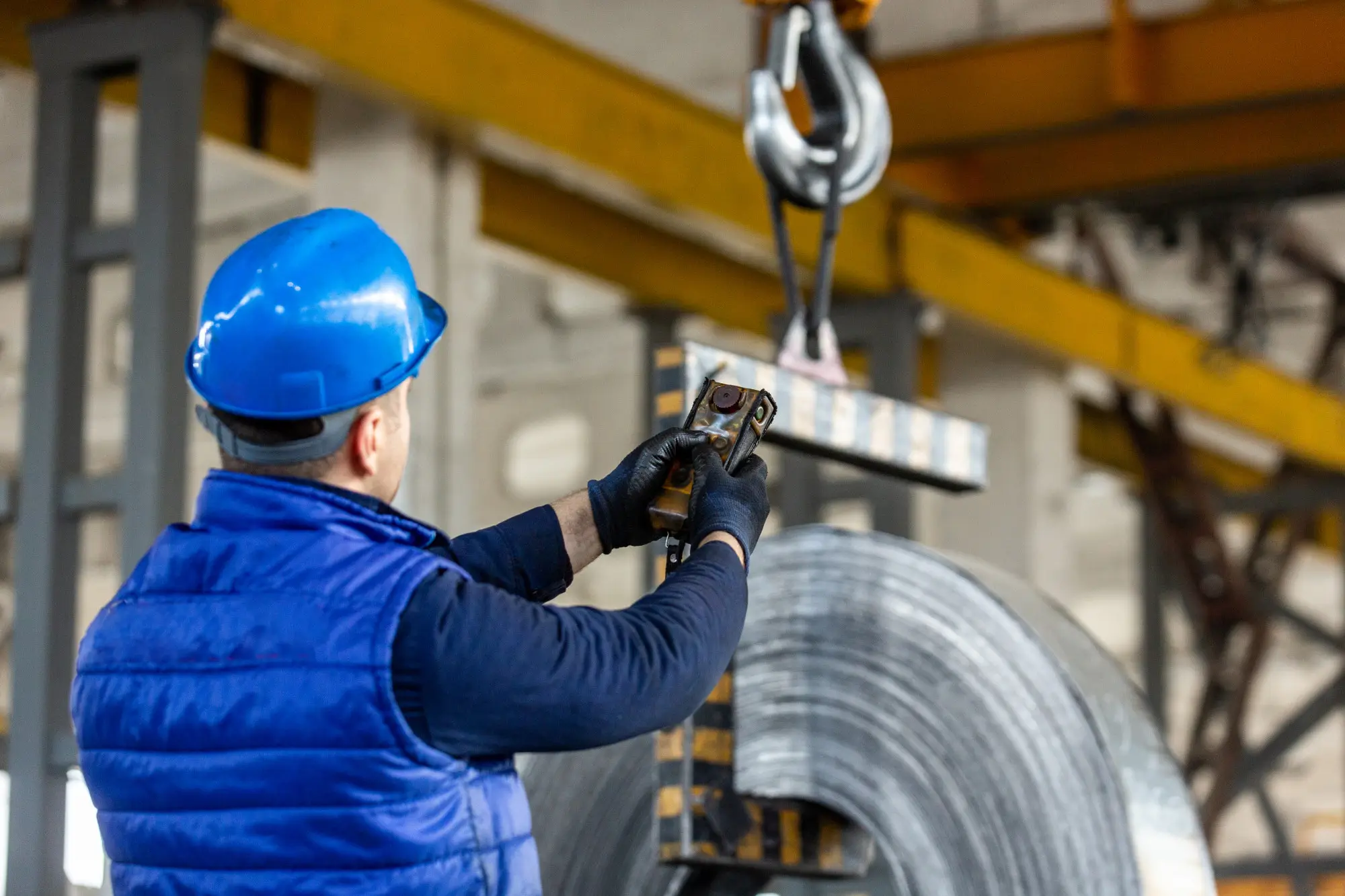
Workers positioned too close to suspended loads are at risk of being struck if a load swings unexpectedly or shifts during movement.
Employees can also become caught between loads and nearby structures, equipment, or walls. These incidents often result in serious injuries due to the immense forces involved.
Establishing exclusion zones and maintaining clear communication during lifts can help minimize these risks.
Poor Visibility
Operators must maintain a clear view of the load and surrounding work area whenever possible. Limited visibility can make it difficult to identify obstacles, workers, or changing conditions.
Poor visibility may result from:
-
- Obstructed workspaces
- Large or oversized loads
- Inadequate lighting
- Congested work areas
When direct visibility is restricted, trained signal persons should assist with lifting operations.
Equipment Failure
Like any mechanical equipment, overhead cranes require regular inspection and maintenance. Components such as hooks, wire ropes, brakes, hoists, and controls can wear over time.
Equipment failures often occur when:
-
- Inspections are skipped
- Maintenance is delayed
- Defective parts remain in service
- Warning signs are ignored
Routine inspections help identify issues before they develop into serious safety concerns.
The Importance of Pre-Use Inspections
A thorough inspection before crane operation is one of the most effective ways to prevent incidents.
Operators should check:
-
- Hooks for cracks or deformation
- Wire ropes for wear or damage
- Hoist functionality
- Brake performance
- Control systems
- Safety devices
- Warning alarms
Any defects should be reported immediately, and damaged equipment should be removed from service until repairs are completed.
Regular inspections not only improve safety but also help extend equipment life and reduce unexpected downtime.
Safe Lifting Practices
Following proper lifting procedures can significantly reduce the likelihood of accidents.
Plan the Lift
Every lift should begin with a clear plan. Operators and workers should understand:
-
- Load weight
- Load dimensions
- Travel path
- Potential obstacles
- Communication methods
- Emergency procedures
Planning helps identify hazards before lifting operations begin.
Keep Loads Stable
Loads should be balanced and secured properly before lifting. Operators should raise loads slowly and avoid sudden movements that could cause swinging or shifting.
Maintaining control throughout the lift is essential for protecting both workers and equipment.
Avoid Moving Loads Over Workers
Whenever possible, suspended loads should never travel directly over employees. Even with proper equipment and procedures, unexpected failures can occur.
Establishing designated travel routes and restricting access to lifting areas helps reduce exposure to potential hazards.
Use Clear Communication
Communication plays a critical role in safe crane operations. Operators, signal persons, and ground workers must understand hand signals, radio procedures, or other communication methods being used during lifts.
Miscommunication can quickly lead to confusion and unsafe conditions.
Training Is a Critical Safety Tool
Many crane incidents result from human error rather than equipment failure. Proper training helps workers understand hazards, operating procedures, and their responsibilities during lifting operations.
Effective crane safety training provides workers with knowledge about:
-
- Load capacities
- Rigging principles
- Hazard recognition
- Inspection procedures
- Safe operating practices
- Emergency response procedures
In addition, overhead crane operator safety training helps operators develop the skills needed to handle lifting equipment safely and confidently while reducing the likelihood of costly mistakes.
Ongoing training and refresher courses ensure workers remain aware of evolving workplace conditions and safety expectations.
Creating a Strong Crane Safety Culture
Overhead crane safety is a shared responsibility. Employers, supervisors, maintenance personnel, and workers all contribute to safe lifting operations through proper inspections, clear procedures, ongoing training, and open communication about hazards.
Regular maintenance and consistent safety practices help ensure equipment remains reliable and lifting operations are conducted safely. Encouraging workers to report concerns and participate in safety initiatives can further reduce workplace risks.
When safety is integrated into daily operations, workers are more likely to follow procedures, report concerns, and identify risks before they lead to incidents. This proactive approach helps create a safer and more efficient workplace.
Conclusion
Overhead cranes are valuable tools that improve efficiency and productivity in many workplaces, but they also introduce significant hazards when not used properly. Overloading, improper rigging, poor communication, equipment failures, and inadequate training are among the most common causes of crane-related incidents.
Preventing these hazards requires a combination of proper planning, routine inspections, safe lifting practices, and ongoing education. By investing in overhead crane operator safety training, organizations can help workers develop the knowledge and skills needed to perform lifting operations safely.
A proactive approach to overhead crane safety not only reduces workplace injuries but also protects equipment, minimizes downtime, and strengthens the overall safety culture of the organization.