

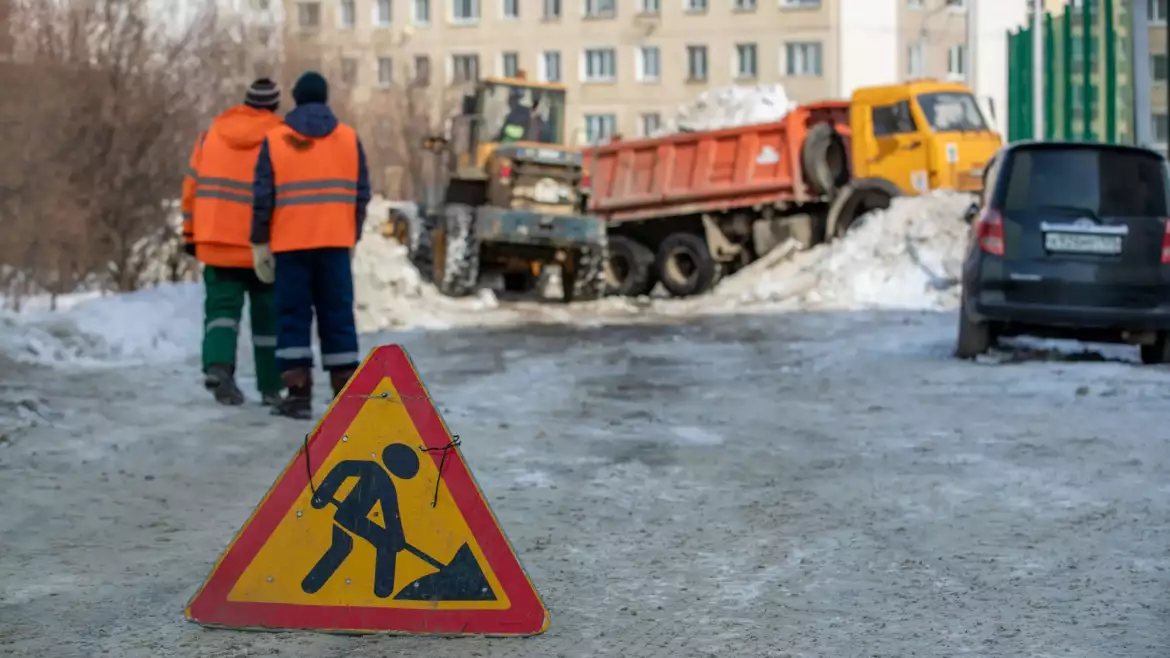
Winter can create some of the most challenging conditions for workers, particularly those who spend time outdoors or move between indoor and outdoor work areas. Snow-covered walkways, frozen surfaces and hidden patches of ice can turn ordinary tasks into serious safety risks. A single misstep can result in painful injuries, lost workdays and unexpected disruptions to workplace operations.
Slips, trips and falls are among the most common winter workplace hazards. While icy conditions cannot always be avoided, many accidents can be prevented through proper planning, regular maintenance and awareness of changing site conditions. Understanding where hazards develop and how to respond to them is essential for keeping workers safe throughout the colder months.
Why Icy Worksites Are So Dangerous
Ice is particularly hazardous because it is not always easy to recognize. A thin layer of transparent ice, sometimes called black ice, can blend into pavement, stairs and other walking surfaces. Workers may step onto it without realizing the ground has become slippery.
Certain workplace conditions increase the likelihood of winter falls, including:
-
- Snow-covered walkways: Accumulated snow can conceal uneven surfaces, obstacles and slippery patches.
- Freezing temperatures: Water from rain, melting snow or equipment runoff can freeze overnight.
- Poor drainage: Standing water around entrances, loading areas and outdoor workspaces can quickly become ice.
- Frequent temperature changes: Repeated freezing and thawing can create unpredictable walking conditions.
- Inadequate lighting: Poor visibility makes it harder to identify icy areas, especially during early morning and evening shifts.
These hazards can affect construction sites, warehouses, parking areas, transportation facilities and other workplaces where employees regularly walk outdoors.
Keep Walkways and Work Areas Clear
One of the most effective ways to prevent winter falls is to maintain clean and accessible walking surfaces. Snow and ice should be removed from frequently used areas before they create dangerous conditions.
Employers and site supervisors should establish a routine for clearing snow from entrances, sidewalks, stairs, ramps and designated pedestrian routes. Applying suitable ice-melting products or traction materials can also improve surface grip.
Special attention should be given to areas where workers frequently enter and exit buildings. Water and melted snow can accumulate around doorways and freeze when temperatures drop. Using entrance mats, maintaining proper drainage and checking these locations regularly can help reduce slipping risks.
Workers should also avoid creating unnecessary shortcuts through snow-covered or untreated areas. Clearly marked pedestrian routes make it easier for employees to move around the site safely.
Choose Appropriate Footwear and Protective Equipment
What workers wear during winter can make a significant difference to their safety. Regular work shoes may not provide sufficient traction on snow and ice, increasing the likelihood of losing balance.
Footwear should be suitable for the working environment and provide good grip on slippery surfaces. Depending on the conditions, slip-resistant winter boots or approved traction devices may be appropriate.
Other protective measures should also be considered. Appropriate personal protective equipment can help workers stay comfortable, visible and protected while performing outdoor tasks.
Important winter protective equipment may include:
-
- Insulated gloves that provide warmth without restricting movement.
- Weather-resistant jackets and trousers suitable for outdoor conditions.
- High-visibility clothing, particularly around moving vehicles and equipment.
- Warm head protection and suitable eye protection where required.
- Slip-resistant footwear designed for winter working conditions.
Employers should ensure that protective equipment is suitable for the hazards workers face. Clothing should also allow enough freedom of movement so employees can maintain proper balance while walking or carrying materials.
Encourage Safe Walking Practices
Even when walkways are properly maintained, workers must remain cautious when moving across icy surfaces. Rushing, carrying heavy loads or becoming distracted can increase the chances of slipping.
Encouraging safe walking habits can help reduce these risks. Workers should take shorter steps, walk slowly and keep their hands free whenever possible. Maintaining a slightly wider stance can also improve balance.
When walking on potentially slippery surfaces, employees should:
-
- Keep their attention on the walking path.
- Avoid running or making sudden changes in direction.
- Use handrails when walking on stairs.
- Avoid carrying loads that block their view.
- Take extra care when stepping out of vehicles or entering buildings.
- Use designated walkways rather than untreated shortcuts.
If workers notice ice forming in an area, they should report it promptly instead of assuming someone else will address the problem.
Identify Fall Hazards Before Work Begins
Preventing winter accidents requires more than reacting to visible ice. Workplaces should identify potential hazards before employees begin their tasks.
Supervisors can conduct regular site inspections to check walkways, access points, loading zones, parking areas and elevated work surfaces. Weather forecasts can also help teams prepare for freezing rain, overnight frost and sudden temperature changes.
Daily safety discussions provide an opportunity to communicate changing conditions and remind employees about areas that require extra caution. Warning signs, temporary barriers and clearly marked restricted areas can help prevent workers from entering hazardous locations.
For jobs involving elevated platforms, ladders or scaffolding, additional precautions are necessary. Ice and snow can affect platform stability, ladder footing and access routes. Equipment should be inspected before use, and work should be postponed when conditions cannot be made safe.
Understand the Role of Fall Protection
Winter conditions can increase the risk of falls not only at ground level but also from elevated work areas. Construction workers, maintenance personnel and other employees working at heights may encounter icy platforms, slippery ladders and snow-covered access points.
Proper planning is essential before beginning these tasks. Employers should assess the work area, inspect fall protection equipment and ensure workers understand the procedures required for safe operations.
Fall protection training helps workers recognize fall hazards, understand protective systems and become more aware of the precautions required when working at heights. Workers should know how to use applicable equipment correctly and understand the importance of following established safety procedures.
Personal protective equipment, guardrails, appropriate access systems and other protective measures should be selected according to the specific working conditions. Harnesses and other fall protection equipment must also be inspected before use to identify damage or defects.
Importantly, fall protection should never replace efforts to remove hazards wherever possible. Clearing ice, securing access points and maintaining safe working platforms should remain priorities.
Build a Workplace Culture That Takes Winter Safety Seriously
Preventing slips, trips and falls requires cooperation between employers, supervisors and workers. While management is responsible for providing safe working conditions, employees also play an important role by following procedures and reporting hazards.
Workplaces should encourage employees to communicate concerns without hesitation. A small patch of ice reported early can prevent someone from suffering a serious injury later.
Regular safety reminders, winter hazard awareness sessions and equipment inspections can help keep prevention practices consistent. Reviewing previous incidents and identifying recurring problem areas can also help organizations improve their winter safety procedures.
Conclusion
Icy worksites present serious challenges, but slips, trips and falls are not unavoidable parts of winter work. Regular snow and ice removal, appropriate footwear, suitable PPE, safe walking habits and effective hazard assessments can significantly reduce workplace risks.
By preparing for changing weather conditions and making winter hazard prevention part of everyday safety practices, employers can create safer working environments. A little extra attention to slippery surfaces and access areas can make a meaningful difference in protecting workers throughout the winter season.