

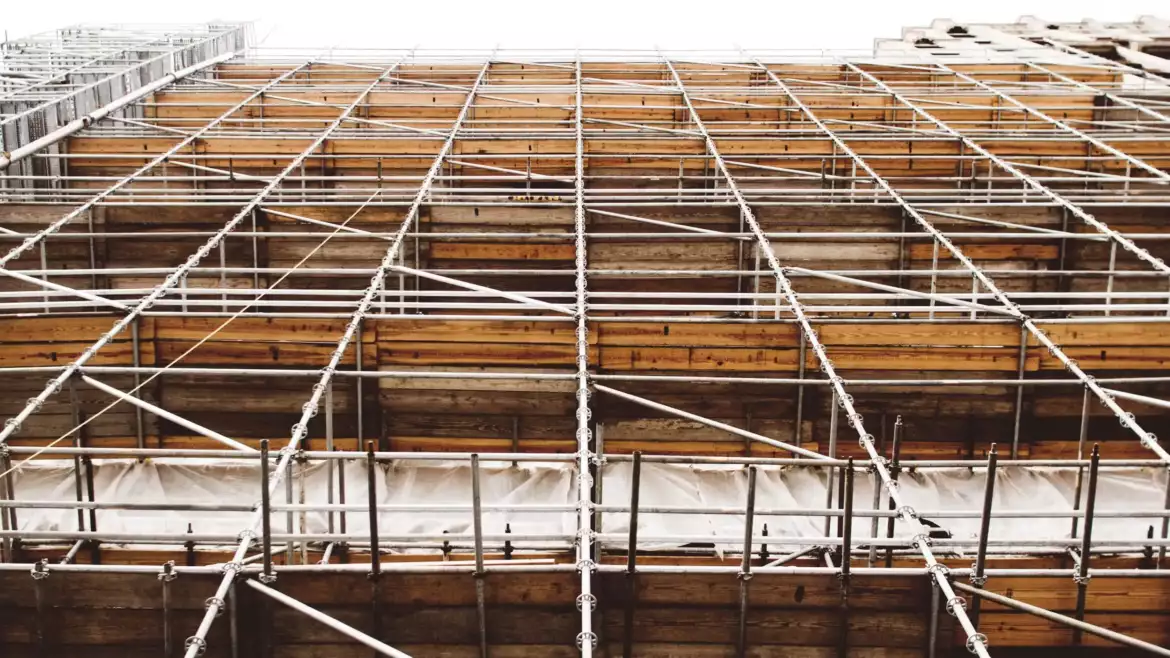
Scaffolds provide workers with access to elevated areas for tasks such as painting, bricklaying, repairs, and building maintenance. However, a scaffold that appears stable at first glance may have loose components, damaged platforms, missing guardrails, or other hazards that put workers at risk. Before climbing onto any scaffold, it is essential to understand what to look for and when a structure should not be used.
A careful inspection can help identify problems before they lead to falls, falling objects, or structural failures. While workers should remain alert to visible hazards, required scaffold inspections must be completed by a qualified or competent person, as applicable under site procedures and local regulations. Here is a practical checklist to help workers recognize potential problems before starting their tasks.
1. Check the Scaffold’s Overall Stability
Before approaching a scaffold, look at its overall condition. It should appear upright, properly assembled, and free from obvious signs of movement, leaning, or damage.
Check for visible problems such as bent frames, loose connections, missing braces, or components that appear out of position. Supporting legs should rest on suitable, stable foundations rather than loose soil, debris, or materials that could shift under pressure.
Base plates, mud sills, and other required supports should be present and properly positioned. If the scaffold appears unstable or has been altered without authorization, do not climb it. Report the concern and wait until the issue has been assessed and corrected.
2. Inspect Platforms and Planking
The platform is the surface workers rely on while performing tasks at height. Damaged, unsecured, or poorly positioned planks can create dangerous gaps and increase the risk of falls.
Before climbing, look for visible cracks, excessive bending, loose boards, missing sections, or surfaces that appear uneven. Platforms should be properly secured and installed according to the scaffold design and applicable requirements.
Workers should also check for accumulated mud, water, ice, loose materials, and other substances that could cause slipping. Tools and building supplies should be organized so they do not obstruct movement.
Never use loose boards, makeshift platforms, or materials that have not been approved for scaffold use. If a platform appears damaged or incomplete, keep off the scaffold until an authorized person has addressed the problem.
3. Verify Guardrails and Fall Protection
Falls are among the most serious hazards associated with elevated work. Guardrails, midrails, toe boards, and other protective measures help reduce the risk of workers falling or objects dropping from platforms.
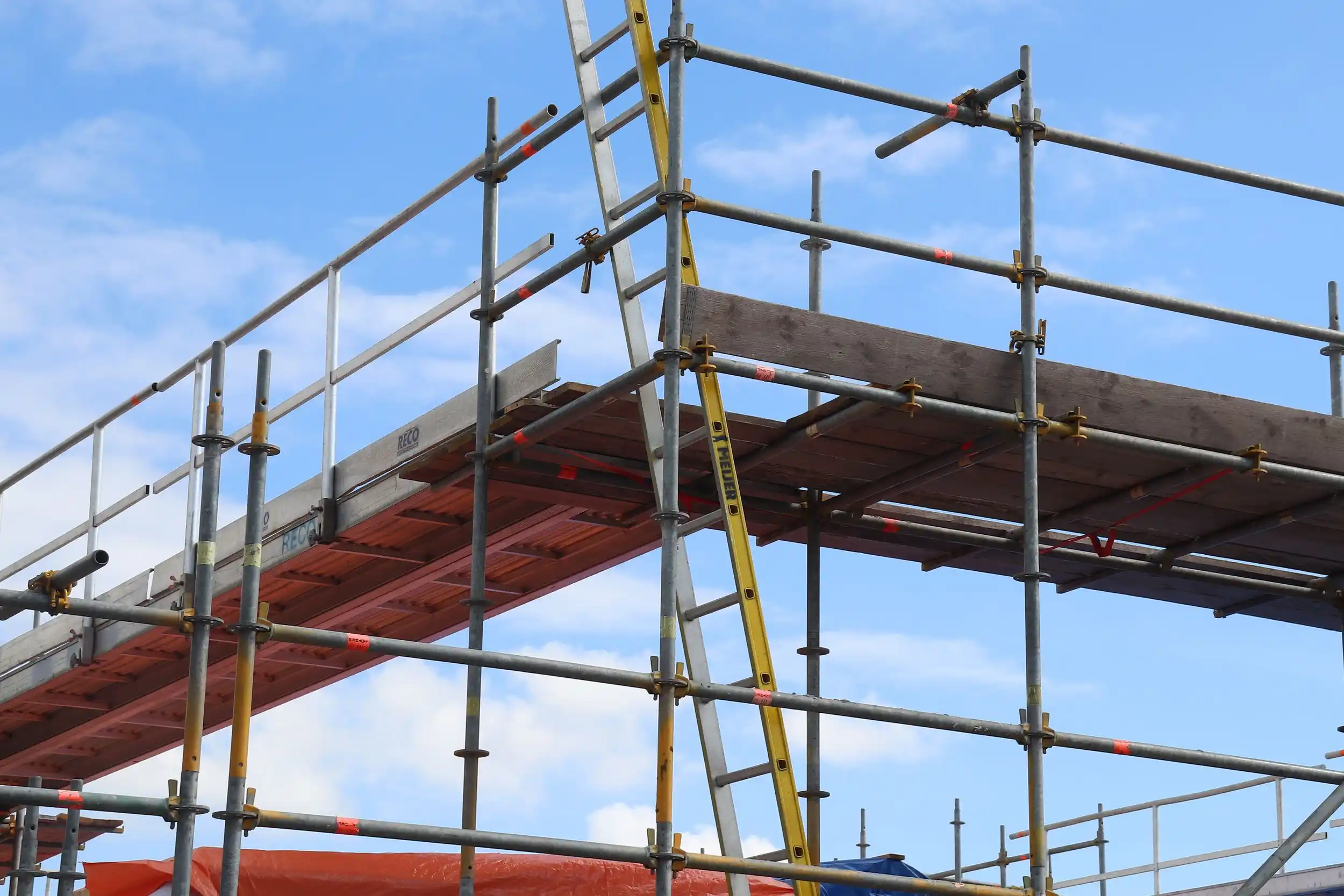
Check whether the required guardrails and other protective components are present, secure, and free from obvious damage. Missing sections, loose fittings, or makeshift replacements should never be ignored.
The fall protection measures required depend on the scaffold type, work being performed, and applicable regulations. Where personal fall protection is required, workers should use the appropriate equipment and follow the approved procedures.
Do not assume a scaffold is safe simply because it has guardrails. Its platforms, supports, access points, and other components must also be in suitable condition.
4. Check Ladders and Access Points
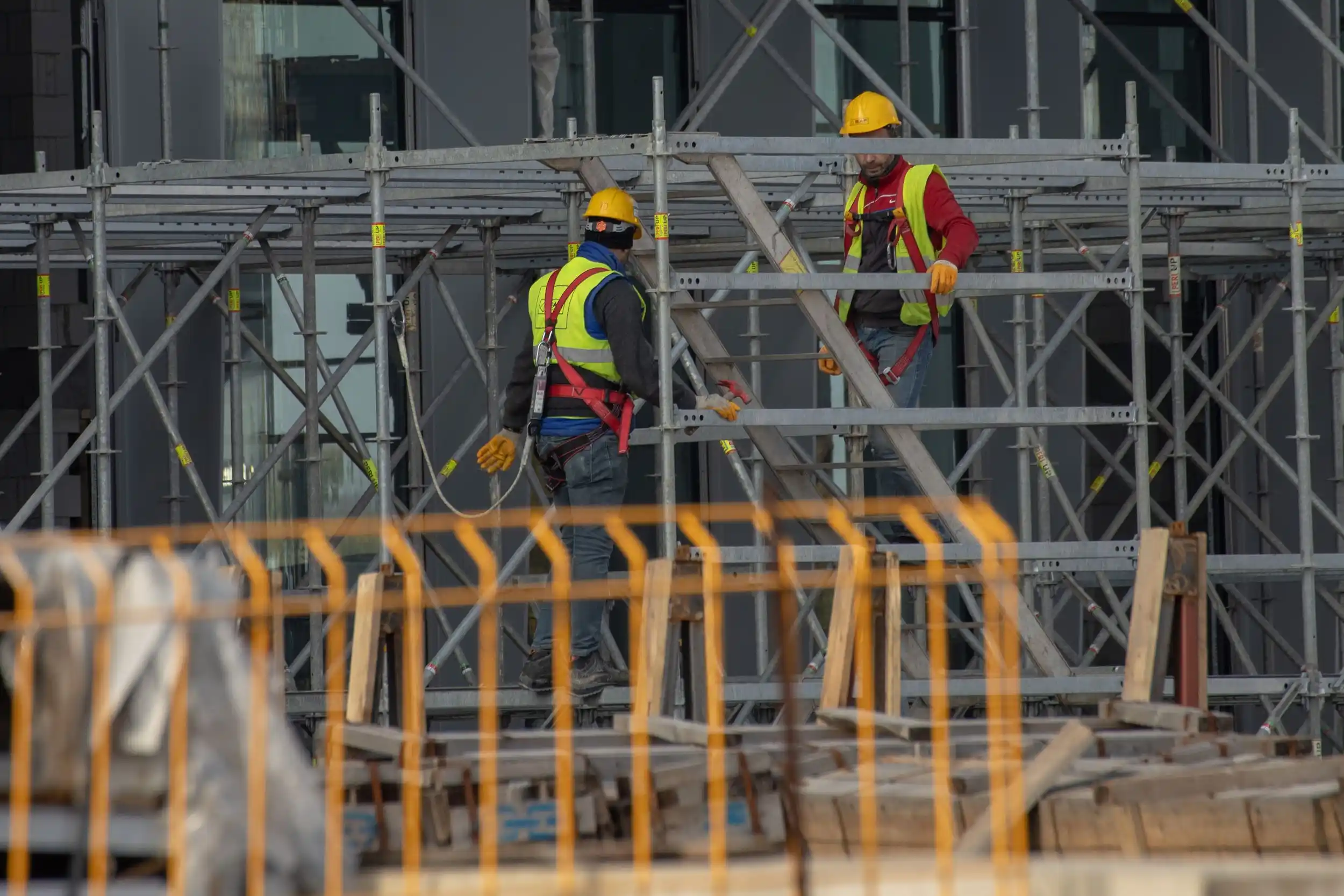
Workers should be able to reach the scaffold platform through a designated, safe access route. Climbing cross-braces, frames, or other structural components can lead to slips, loss of balance, and serious injuries.
Before using a ladder, stairway, or built-in access system, look for loose fittings, damaged rungs, slippery surfaces, and obstructions. Access points should remain clear of tools, waste, and stored materials.
Make sure the route allows workers to climb and descend safely without stepping onto unstable surfaces. When carrying equipment, workers should avoid actions that compromise their grip or balance and use an appropriate method for raising tools and materials.
If safe access is unavailable, do not attempt to improvise a route. Report the issue and wait for an approved solution.
5. Confirm Load Limits and Material Storage
Scaffolds are designed to support specified loads. Placing too many materials, tools, or workers on a platform can exceed its capacity and contribute to structural failure.
Before starting work, understand the scaffold’s permitted load and the requirements for distributing weight. Materials should be stored only in designated areas and arranged to prevent shifting or falling.
Avoid piling bricks, equipment, or construction supplies in one location without confirming that the platform can safely support the load. Keep walkways clear and remove unnecessary items as work progresses.
If the scaffold’s load capacity is unknown, do not guess. Ask the responsible supervisor or competent person to verify the requirements before materials are placed on the platform.
6. Look for Environmental and Nearby Hazards
Scaffold conditions can change because of weather, nearby activities, or alterations to the worksite. Strong winds, heavy rain, ice, and other adverse conditions may affect stability, footing, and the safe handling of materials.
Check for overhead power lines, moving equipment, nearby excavation work, and falling-object hazards. Maintain the required clearance from electrical hazards and follow site-specific precautions.
Workers should also be alert to changes made since the previous inspection. Missing components, disturbed foundations, or unauthorized modifications may make a previously acceptable scaffold unsafe.
Good construction safety practices include reassessing conditions whenever something changes, rather than assuming the scaffold remains safe throughout the day.
7. Know What to Do When You Find a Problem
Recognizing a hazard is only useful when the right action follows. If you notice damaged planking, missing guardrails, unstable supports, or another serious concern, do not climb or continue using the affected scaffold.
Report the problem to the supervisor or designated responsible person immediately. Where appropriate, the area should be restricted and the scaffold clearly identified as unsafe until it has been assessed and corrected.
Workers should never attempt unauthorized repairs or remove structural components to make a task easier. Only appropriately qualified personnel should carry out the required work and determine when the scaffold can return to service.
Regular communication and appropriate scaffold safety training help workers understand their responsibilities and recognize conditions that require attention.
Conclusion
A scaffold inspection checklist helps workers recognize visible warning signs before stepping onto an elevated work platform. Checking stability, platforms, guardrails, access points, load limits, and surrounding hazards can help prevent dangerous situations from going unnoticed.
However, a visual check by a worker does not replace the formal inspection required under applicable rules and site procedures. If something appears unsafe, stay off the scaffold and report the issue.
Developing consistent inspection awareness, following established procedures, and addressing hazards promptly can help protect workers and support safer construction sites. Before every climb, take the time to check the conditions, understand the risks, and make safety the first priority.