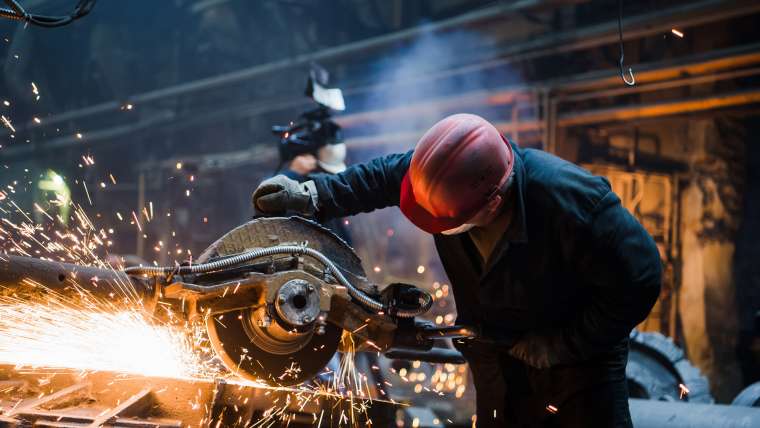


Workplace safety is no longer something that applies only to high-risk industries. Whether someone works on a construction site, in a warehouse, in manufacturing, or even in an office environment, safety risks are always present. From slips and falls to equipment hazards and emergency situations, the modern workplace demands that every worker understands how to stay safe. That’s why basic workplace safety training is something every employee should take regardless of their role or experience level.
Safety Starts With Awareness
One of the biggest reasons workers get injured on the job is not because they ignore safety rules, but because they are not fully aware of the risks around them. Basic workplace safety training helps workers recognize hazards before they become serious problems. It teaches employees how to identify unsafe conditions, follow safe work procedures, and take responsibility for their own safety as well as the safety of others.
Basic safety training helps workers:
-
- Identify common workplace hazards before starting a task
- Understand how to use personal protective equipment properly
- Follow safe work procedures consistently
- Recognize warning signs and safety labels
- Avoid common mistakes that lead to injuries
Even simple knowledge can make a big difference. Understanding how to respond to emergencies, how to use protective equipment properly, and how to avoid common workplace hazards can prevent accidents that might otherwise result in serious injuries or long-term health issues.
Every Worker Needs Emergency Preparedness
Emergencies can happen at any time, and when they do, the first few minutes are often the most critical. Workers who have completed first aid training are more prepared to respond quickly and confidently when someone is injured or becomes ill at work. This type of training helps employees stay calm, provide immediate assistance, and support coworkers until professional help arrives.
Emergency preparedness training helps workers:
-
- Respond quickly to injuries or medical emergencies
- Stay calm and act confidently in stressful situations
- Follow evacuation procedures correctly
- Understand fire safety basics
- Support coworkers until help arrives
When employees know exactly what to do in an emergency, the chances of panic and confusion are greatly reduced. This not only protects workers but also helps companies respond more effectively to unexpected situations.

Training Supports a Strong Safety Culture
A workplace that values safety creates a safer environment for everyone. Basic training plays an important role in building a positive safety culture because it ensures that every worker understands the importance of following safety procedures. When employees are trained, they are more likely to take safety seriously and encourage others to do the same.
Safety culture is not just about policies or rules, it’s about mindset. Workers who receive proper training feel more confident and more responsible for their actions. They are also more likely to report hazards, follow safe practices, and work as a team to prevent accidents. Over time, this creates a work environment where safety becomes part of everyday operations rather than an afterthought.
Training Helps Workers Handle High-Risk Situations
Some workers deal with higher risks than others, especially in industries that involve chemicals, heavy equipment, or hazardous materials. However, even workers in lower-risk environments need a basic understanding of how to stay safe when unexpected hazards arise.
For example, workers who understand the fundamentals of hazardous waste operations are more prepared to recognize dangerous materials and avoid exposure. Similarly, training that includes topics such as GHS for supervisors training helps workers understand how hazardous materials are labeled, stored, and handled. This type of knowledge reduces confusion and ensures that workers follow the correct safety procedures when dealing with potentially dangerous substances.

Preventing Workplace Violence and Conflict
Workplace safety is not only about physical hazards. In recent years, organizations have placed more attention on mental and emotional safety as well. Basic workplace safety training now often includes workplace violence prevention, which helps workers recognize warning signs, respond appropriately to conflict, and maintain a safe and respectful work environment.
This type of training is especially important in workplaces where employees interact with customers, clients, or the public. When workers understand how to handle difficult situations calmly and professionally, the risk of serious incidents can be reduced. It also helps create a more positive and supportive workplace where employees feel safe and respected.
A Safer Workplace Starts With Training
Every workplace is different, but the need for safety is universal. Basic workplace safety training gives workers the tools and knowledge they need to stay safe, respond to emergencies, and support a safer work environment. Whether it involves first aid training, hazard awareness, or workplace violence prevention, the goal is always the same to protect workers and prevent accidents before they happen.
In today’s workplaces, safety training is not something that should be limited to certain industries or specific roles. Every worker deserves the knowledge and confidence that comes with proper training. By making basic workplace safety training a priority, companies can create safer environments, stronger teams, and a more positive future for everyone involved.