

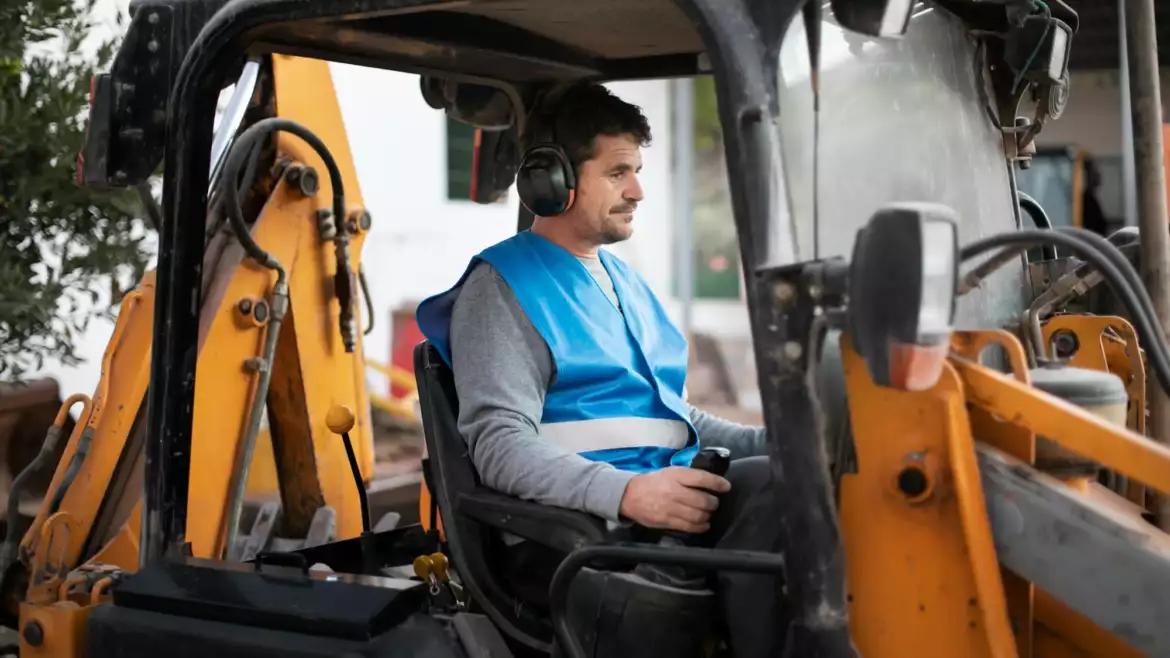
Heavy equipment is essential on construction sites, industrial facilities, mines, and other high-risk workplaces. From excavators and loaders to dump trucks and forklifts, these powerful machines help complete demanding tasks efficiently. However, they also present significant hazards, one of the most serious being blind spots.
Every year, workers are injured or killed because equipment operators cannot see people, vehicles, or obstacles around their machines. Even highly experienced operators have limited visibility, making blind spots a major contributor to struck-by and caught-between incidents.
Understanding where blind spots exist and how to work safely around heavy equipment is critical for protecting everyone on the job site. With proper awareness, communication, and training, many of these incidents can be prevented.
What Are Heavy Equipment Blind Spots?
Blind spots are areas around a piece of equipment that the operator cannot see, either directly or through mirrors and cameras. The size and location of these blind spots vary depending on the type of equipment, its design, attachments, and the surrounding work environment.
Large machines often have blind spots:
-
- Directly in front of the equipment
- Behind the machine
- Along both sides
- Near large attachments or buckets
- Around the counterweight during rotation
Because these areas are hidden from the operator’s view, workers who enter them may go unnoticed until it is too late.
Why Blind Spots Are So Dangerous
Heavy equipment operators rely on mirrors, cameras, and visual checks, but these tools cannot eliminate every blind spot. Dust, poor lighting, bad weather, noise, and crowded job sites can further reduce visibility.
Equipment operators require a clear understanding of their machine’s visibility limitations before beginning work. Specialized equipment courses help operators recognize blind spots, use mirrors and cameras effectively, and communicate safely with ground personnel. Proper equipment-specific training plays a key role in reducing struck-by incidents and improving overall job site safety.
Workers on foot are particularly vulnerable because they may assume the operator can see them when, in reality, they are standing in a blind spot.
Even low-speed equipment can cause serious injuries due to its weight and limited stopping distance. A momentary lapse in communication or awareness can quickly become a life-threatening situation.
Common Equipment with Large Blind Spots
Many types of heavy equipment have significant blind spots that workers should recognize before entering an active work area.
Examples include:
-
- Excavators
- Wheel loaders
- Skid steer loaders
- Bulldozers
- Dump trucks
- Backhoes
- Motor graders
- Mobile cranes
Each machine has unique visibility limitations, making it important for both operators and ground workers to understand the hazards associated with specific equipment.
For example, operators who complete skid steer loader training learn how attachment position, machine design, and restricted visibility affect safe operation. Equipment-specific training helps operators understand the unique hazards associated with the machines they use every day.
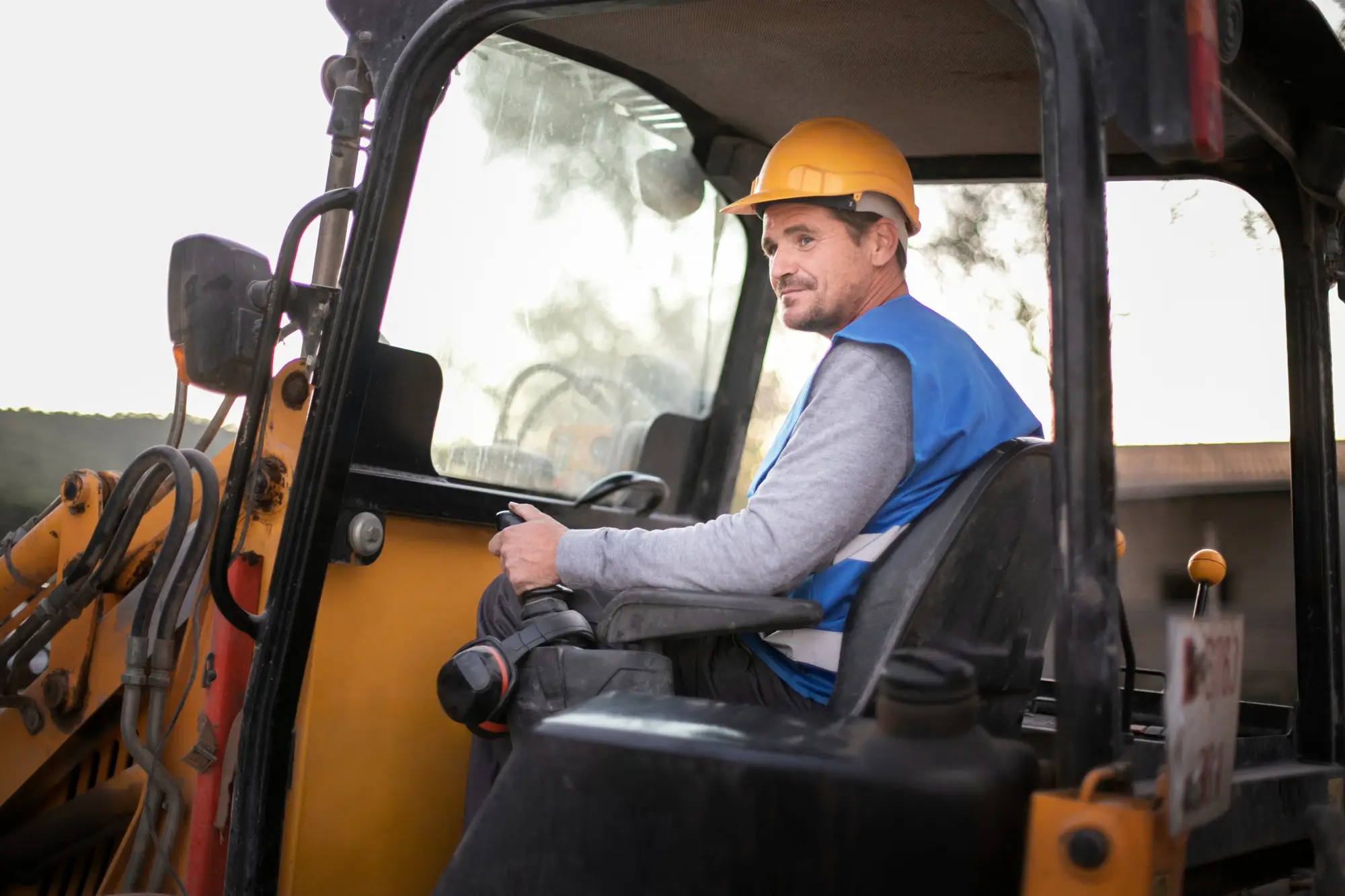
Common Causes of Blind Spot Incidents
Blind spot incidents rarely occur because of a single mistake. Instead, they often result from multiple contributing factors working together.
Some of the most common causes include:
-
- Workers entering restricted areas unexpectedly
- Poor communication between operators and ground crews
- Lack of designated pedestrian routes
- Inadequate signage or barriers
- Distracted operators or workers
- Congested work areas
- Poor lighting or weather conditions
Recognizing these contributing factors helps organizations reduce the likelihood of struck-by incidents.
Safe Work Practices Around Heavy Equipment
Preventing blind spot incidents requires cooperation from everyone on the job site. Workers should always assume the operator cannot see them unless clear communication has been established.
Important safe work practices include:
-
- Stay outside designated blind spot areas whenever possible.
- Make eye contact with operators before approaching equipment.
- Wait for a clear signal before moving near machinery.
- Never walk behind or directly in front of operating equipment.
- Wear high-visibility clothing to improve visibility.
- Use designated walkways whenever available.
- Remain alert and avoid distractions while working around moving equipment.
Simple habits like these significantly reduce the risk of serious incidents.
The Importance of Spotters
Spotters play a vital role when equipment operators have limited visibility. They provide guidance during reversing, lifting, tight maneuvering, and work in congested areas.
Effective spotters should:
-
- Maintain constant communication with operators.
- Stay visible at all times.
- Use standardized hand signals or communication devices.
- Position themselves safely outside equipment travel paths.
Operators should stop equipment immediately if visual contact with the spotter is lost.
Good communication between operators and spotters can prevent many workplace incidents.

Technology Can Help but It Has Limits
Modern equipment is increasingly equipped with cameras, proximity sensors, alarms, and collision detection systems that improve operator awareness.
While these technologies provide valuable assistance, they should never replace safe work practices.
Operators must continue performing visual inspections, checking mirrors, communicating with coworkers, and following established procedures.
Technology is most effective when combined with attentive operators and informed workers.
Preparing Workers to Operate Safely
Awareness is one of the strongest defenses against blind spot incidents. Comprehensive safety training helps both operators and ground workers understand equipment limitations, safe communication practices, hazard recognition, and proper positioning around heavy machinery. Programs such as crane operator training teach operators how to manage blind spots, inspect equipment, communicate with workers on the ground, and follow safe operating procedures in different work environments.
Training also reinforces the importance of following established procedures, wearing appropriate personal protective equipment, and recognizing changing job site conditions. Regular refresher training ensures workers remain alert to evolving hazards and reinforces safe behaviors throughout the workplace.
Leadership and Job Site Planning
Supervisors and site managers play an important role in minimizing blind spot hazards. Proper planning should include designated equipment routes, clearly marked pedestrian walkways, restricted access zones, and regular site inspections.
Daily safety meetings provide an opportunity to discuss equipment movement, changing site conditions, and potential blind spot hazards before work begins.
When leadership consistently prioritizes safety, workers are more likely to follow safe practices and remain vigilant throughout the day.
Final Thoughts
Heavy equipment blind spots are an unavoidable part of many job sites, but the risks they create can be managed through awareness, communication, and preparation. Every worker should understand that operators cannot always see people or obstacles around their equipment, regardless of experience or technology.
By maintaining safe distances, communicating effectively, participating in ongoing safety training, and supporting a strong safety culture, organizations can significantly reduce blind spot incidents and create safer work environments.
Every safe decision made around heavy equipment helps protect lives. Understanding blind spots today can prevent serious injuries and ensure everyone returns home safely at the end of the workday.