
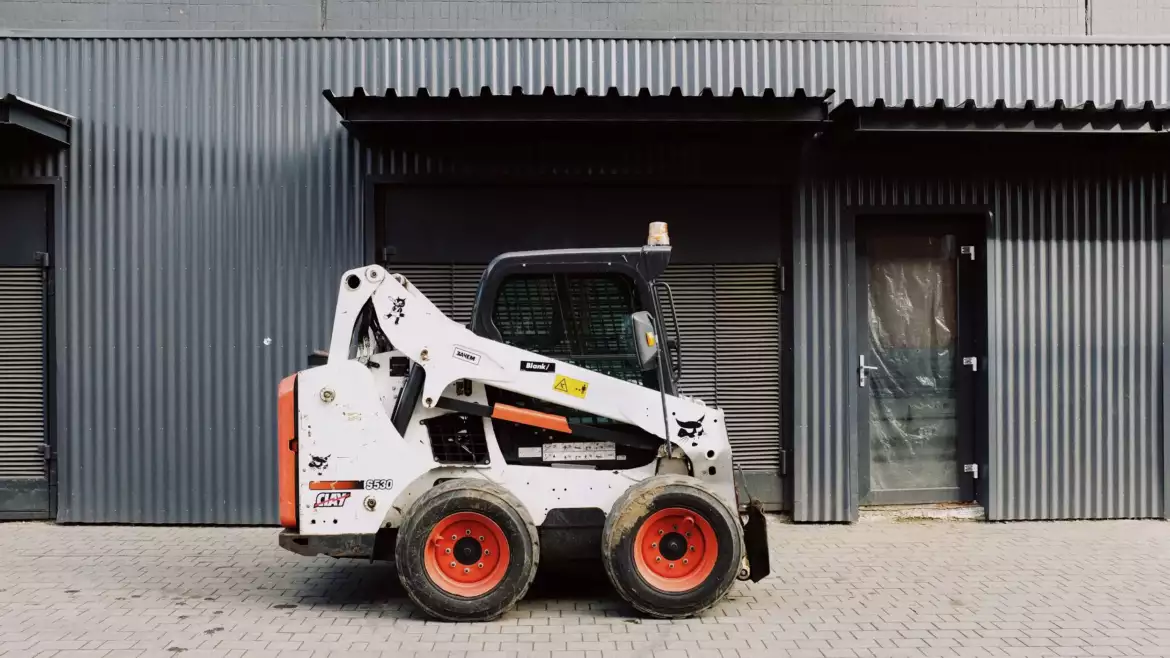
Skid steer loaders are compact, powerful, and highly maneuverable machines used across construction, landscaping, agriculture, excavation, and material-handling work. Their small size allows them to work in areas where larger equipment may not fit, but that same compact design can create visibility challenges for operators.
A worker may be nearby without being visible from the operator’s seat. This is why understanding skid steer loader blind spots is important for both operators and workers on foot. A clear understanding of where visibility is limited, combined with good communication and worksite controls, can help reduce the potential for runovers, collisions, and other incidents.
Where Do Skid Steer Blind Spots Occur?
Blind spots are areas around equipment that an operator cannot see directly or through available mirrors and visibility aids. Their location can vary depending on the machine’s design, attachments, operating position, and surrounding conditions.
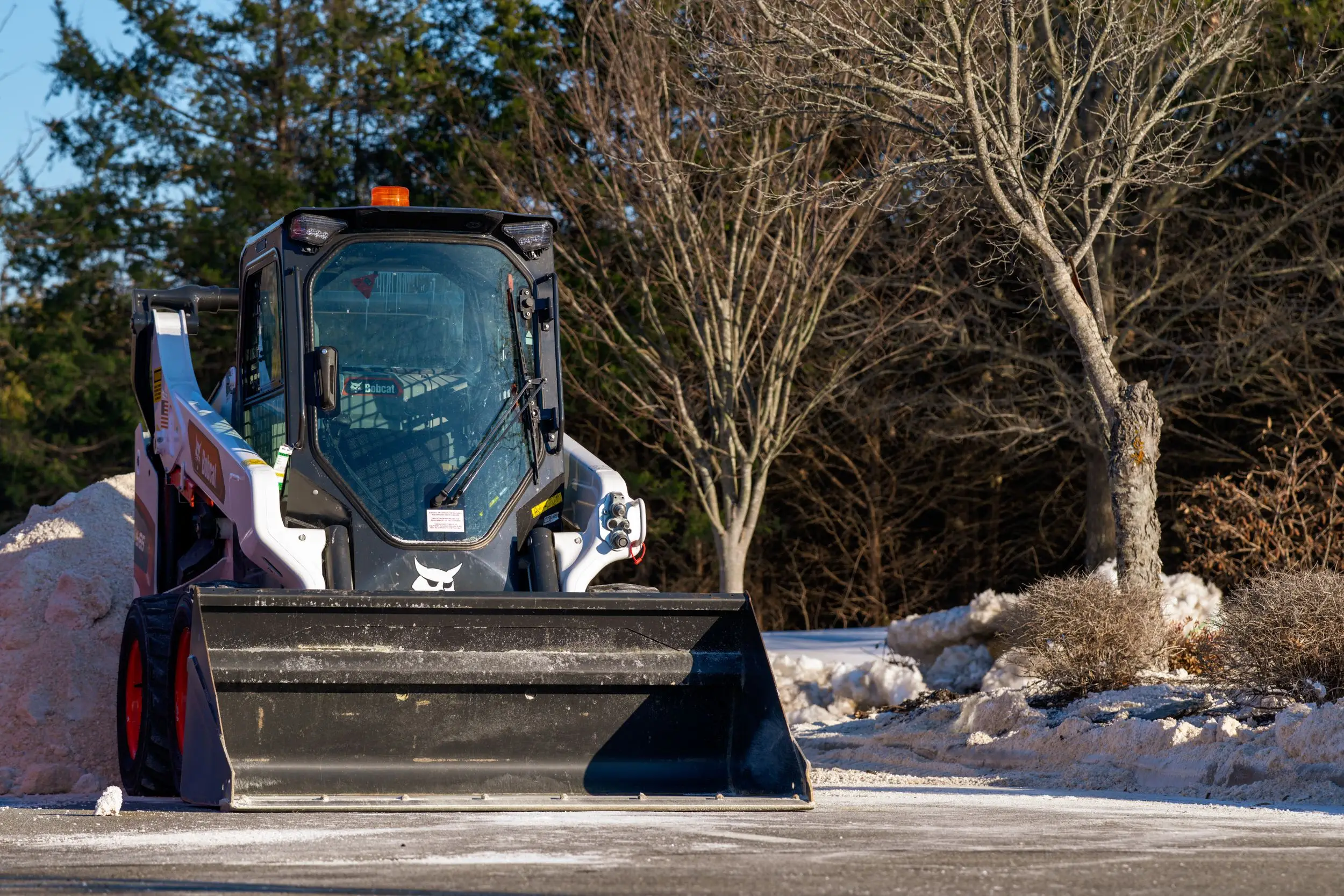
Areas behind the loader can be particularly difficult to monitor when the machine is reversing. The loader arms, bucket, cab structure, or other attachments may also restrict visibility in certain directions. When the bucket is raised, the attachment itself can further affect what the operator can see.
Workers should never assume that an operator can see them simply because they are standing close to the machine. If a worker cannot clearly see the operator or establish communication, it is safer to remain outside the equipment’s operating area.
Why Blind Spots Create Serious Risks
A skid steer can move quickly and change direction within a relatively small area. This makes it difficult for a person on foot to react if they unexpectedly enter the machine’s path.
One of the biggest concerns is a worker walking into an area the operator cannot see. Reversing can be especially hazardous because the operator may have limited visibility behind the machine. Noise from other equipment, poor lighting, dust, weather, and busy worksite activity can make the situation even more challenging.
These conditions can contribute to being struck by hazards, particularly when workers and mobile equipment operate in the same space without clearly defined movement areas.
Blind spots can also become more difficult to manage when an operator is focused on a specific task, such as positioning a load, grading material, or manoeuvring around obstacles. Safe operation therefore requires more than simply looking ahead. Operators need to continuously monitor their surroundings.
Tips for Skid Steer Operators
Operators can take several practical steps to improve awareness around their machines.
1. Know the Machine’s Blind Spots
Before operating a skid steer, operators should understand where visibility is restricted. Blind spots are not identical on every machine, so operators should become familiar with the specific loader they are using.
Knowing where workers may be hidden from view makes it easier to identify areas requiring additional caution.
2. Complete a Pre-Shift Inspection
A proper Skid Steer Loader Pre-Shift Inspection should be completed before work begins. Operators should check visibility-related equipment, mirrors, windows, lights, alarms, controls, tires or tracks, attachments, and other components according to the manufacturer’s instructions.
Dirty windows, damaged mirrors, poor lighting, or malfunctioning warning devices can make an already difficult visibility situation worse.
3. Check Around the Machine Before Moving
Before starting or moving the skid steer, operators should make sure the surrounding area is clear. This includes checking behind the machine and around the sides.
If workers are present nearby, the operator should ensure they are in a safe location before moving.
4. Keep Attachments Low When Travelling
Keeping the bucket or attachment as low as practical during travel can help maintain stability and improve visibility. A raised attachment can obstruct the operator’s view and create additional hazards.
Operators should also follow the machine manufacturer’s recommendations for travelling, loading, and operating on slopes.
Tips for Workers on Foot
Operators are not the only people responsible for managing blind-spot risks. Workers who operate or work around construction equipment also need to understand how visibility limitations affect their safety.
Workers should stay outside designated equipment operating areas whenever possible. They should avoid walking behind or beside a skid steer without confirming that the operator knows they are there.
Approaching a running machine unexpectedly can create a dangerous situation. Workers should establish a clear communication method with operators and wait for confirmation before entering the machine’s operating zone.
High-visibility clothing can also make workers easier to identify, particularly on busy worksites or in low-light conditions. However, high-visibility clothing should not be treated as a substitute for safe separation and communication.
Use Clear Communication and Worksite Controls
Good communication is one of the most effective ways to manage interactions between mobile equipment and workers.
Sites can establish designated pedestrian routes, equipment travel paths, exclusion zones, and procedures for working around operating machinery. Where a spotter is required, the operator and spotter should agree on signals before work begins. The operator should stop if communication is lost or the spotter is no longer visible.
Technology such as cameras, sensors, and warning systems can provide additional information, but these tools should complement, not replace operator awareness and established worksite procedures.
Training Makes Blind-Spot Awareness Part of Safe Operation
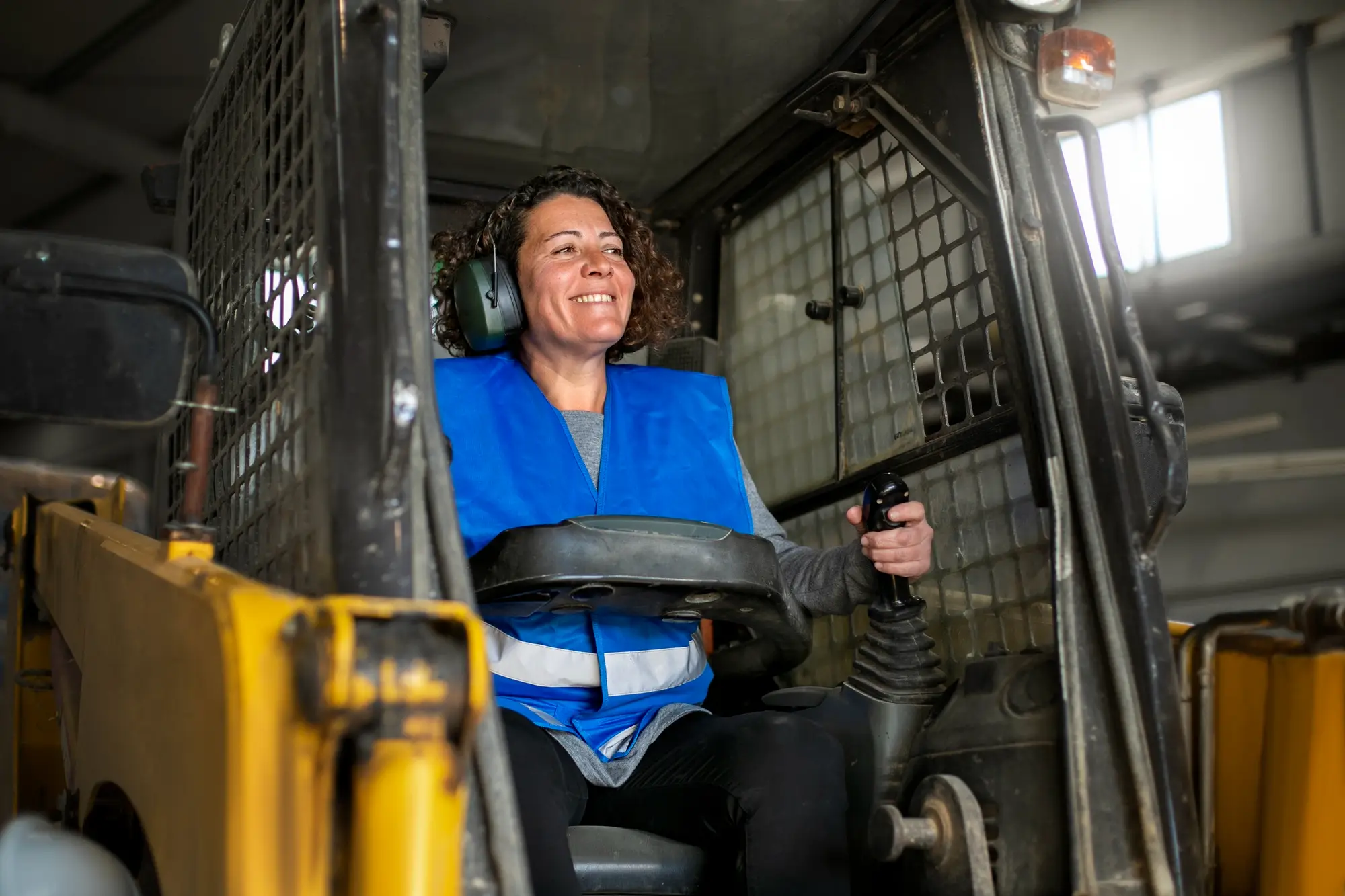
Understanding blind spots should be part of the overall preparation for anyone operating a skid steer. Operators need practical knowledge of machine controls, visibility limitations, worksite hazards, safe travel, attachments, loading, and emergency procedures.
Skid Steer Loader Online Training can help operators build awareness of the hazards associated with this type of equipment and reinforce safe operating practices before they begin working around people, structures, and other machinery.
Training should also be supported by site-specific procedures and hands-on instruction appropriate to the equipment and work being performed.
Building a Safer Work Area Around Skid Steers
Blind spots are an inherent challenge when operating compact heavy equipment, but they do not have to become an accepted part of the job. Operators can improve awareness by inspecting equipment, checking surroundings, controlling speed, and maintaining clear communication.
Workers on foot can reduce their exposure by staying out of blind spots, following designated pedestrian routes, making their presence known, and never assuming an operator can see them.
When operators and workers understand each other’s visibility limitations, the entire worksite becomes easier to manage. A combination of proper training, equipment inspections, communication, separation, and consistent operating practices can help prevent avoidable incidents and keep skid steer operations moving safely.