

Construction sites are constantly changing environments where multiple tasks take place simultaneously. Heavy equipment moves across work areas, materials are lifted overhead, tools are in constant use, and workers often operate in close proximity to vehicles and machinery. While these activities are essential to completing projects, they also create one of the industry’s most serious safety concerns, struck-by hazards.
A struck-by hazard occurs when a person is hit by a moving object, falling material, flying debris, or a piece of mobile equipment. These incidents can lead to severe injuries or fatalities and remain one of the leading causes of construction-related accidents. Fortunately, many struck-by incidents are preventable through proper planning, hazard awareness, communication, and ongoing safety training.
What Are Struck-By Hazards?
A struck-by hazard exists whenever a worker is at risk of being hit by an object or piece of equipment. Unlike caught-between incidents, where a worker is trapped or crushed, struck-by incidents involve forceful impact from an object in motion.
Common examples include:
-
- Being struck by moving construction vehicles.
- Falling tools or building materials.
- Swinging crane loads.
- Flying debris from cutting or grinding operations.
- Equipment attachments moving unexpectedly.
- Materials rolling or shifting during transport.
Every construction site presents different risks, making it essential for workers to stay alert and understand how struck-by hazards develop.
Why Construction Sites Are High-Risk Environments
Construction projects involve constant movement. Equipment operators, delivery vehicles, subcontractors, and workers often share the same workspace, increasing the likelihood of incidents if communication and planning are inadequate. Maintaining construction site safety requires continuous awareness, coordination, and adherence to safe work practices, especially in environments where multiple activities are taking place at once.
Additional factors that contribute to struck-by hazards include:
-
- Limited visibility around heavy equipment.
- Congested work areas.
- Poor housekeeping.
- Changing site conditions.
- Noise that makes communication difficult.
- Rushing to meet project deadlines.
Recognizing these conditions allows organizations to take proactive steps before incidents occur.
Common Sources of Struck-By Hazards
Understanding where struck-by hazards originate helps workers remain aware of their surroundings throughout the workday.
Moving Vehicles and Heavy Equipment
Excavators, skid steer loaders, dump trucks, loaders, forklifts, and other mobile equipment frequently operate around workers on foot. Because these machines have significant blind spots, operators may not always see nearby personnel.
Workers should never assume they are visible to equipment operators. Maintaining safe distances and making eye contact before approaching equipment greatly reduces risk.
Falling Objects
Construction often involves elevated work areas where tools, materials, and equipment are handled above ground level. Without proper securing methods, these objects can fall unexpectedly and seriously injure workers below.
Using tool lanyards, securing materials properly, and establishing exclusion zones beneath overhead work helps reduce these hazards.
Flying Particles
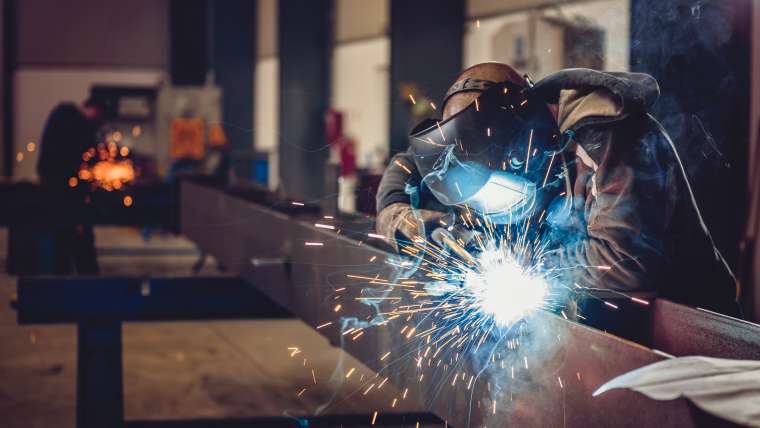
Activities such as grinding, drilling, cutting, hammering, and demolition generate flying debris that can strike nearby workers.
Appropriate eye and face protection, machine guards, and designated work zones help minimize exposure to these hazards.
Crane Operations
Lifting operations introduce additional struck-by risks. Suspended loads can swing unexpectedly due to wind, sudden movements, or improper rigging.
Workers should remain outside lift zones unless directly involved in the operation. Effective communication between crane operators, riggers, and signal persons is essential for maintaining safe lifting activities.

Recognizing Early Warning Signs
Many struck-by incidents are preceded by warning signs that should never be ignored.
Workers should remain alert for:
-
- Equipment operating in congested areas.
- Workers standing inside equipment travel paths.
- Materials stacked improperly.
- Poor visibility due to weather or dust.
- Damaged lifting equipment.
- Unsecured tools at elevated work locations.
- Lack of barriers around active work zones.
Identifying these conditions early allows corrective action to be taken before an incident occurs.
Safe Work Practices That Reduce Risk
Preventing struck-by hazards requires consistent attention from everyone on the job site.
Some effective safety practices include:
-
- Staying outside equipment blind spots.
- Wearing high-visibility clothing.
- Following designated pedestrian routes.
- Never walking beneath suspended loads.
- Maintaining clear communication with equipment operators.
- Securing tools and materials at height.
- Keeping work areas organized and free of unnecessary obstacles.
- Following established traffic management plans.
Small safety habits practiced consistently can significantly reduce workplace risk.
Building Safer Job Sites Through Training
Knowledge is one of the most effective tools for preventing struck-by incidents. Comprehensive safety training helps workers recognize hazards, understand safe work procedures, and respond appropriately to changing job site conditions.
Equipment-specific education also plays an important role. Equipment courses teach operators how to manage blind spots, inspect equipment, communicate with ground workers, and operate machinery safely in busy construction environments.
Regular refresher training reinforces these skills and helps workers remain aware of evolving workplace hazards.

Communication Saves Lives
Clear communication is essential whenever heavy equipment or lifting operations are taking place. Misunderstandings between operators and ground workers can quickly lead to dangerous situations.
Construction teams should establish standardized hand signals, use radios when appropriate, and conduct pre-job meetings to discuss equipment movement and worksite hazards.
Workers should never enter equipment operating zones unless they have confirmed that the operator is aware of their presence.
Simple communication practices can prevent serious incidents before they occur.
Final Thoughts
Struck-by hazards remain one of construction’s biggest risks, but they are also among the most preventable. By understanding where these hazards exist, recognizing early warning signs, and following safe work practices, workers can significantly reduce the likelihood of serious incidents.
Ongoing safety training, equipment-specific education, effective communication, and a strong safety culture all work together to create safer construction sites.
Every worker has a role in preventing struck-by incidents. Staying alert, communicating clearly, and making safe decisions each day helps ensure everyone returns home safely after every shift.