

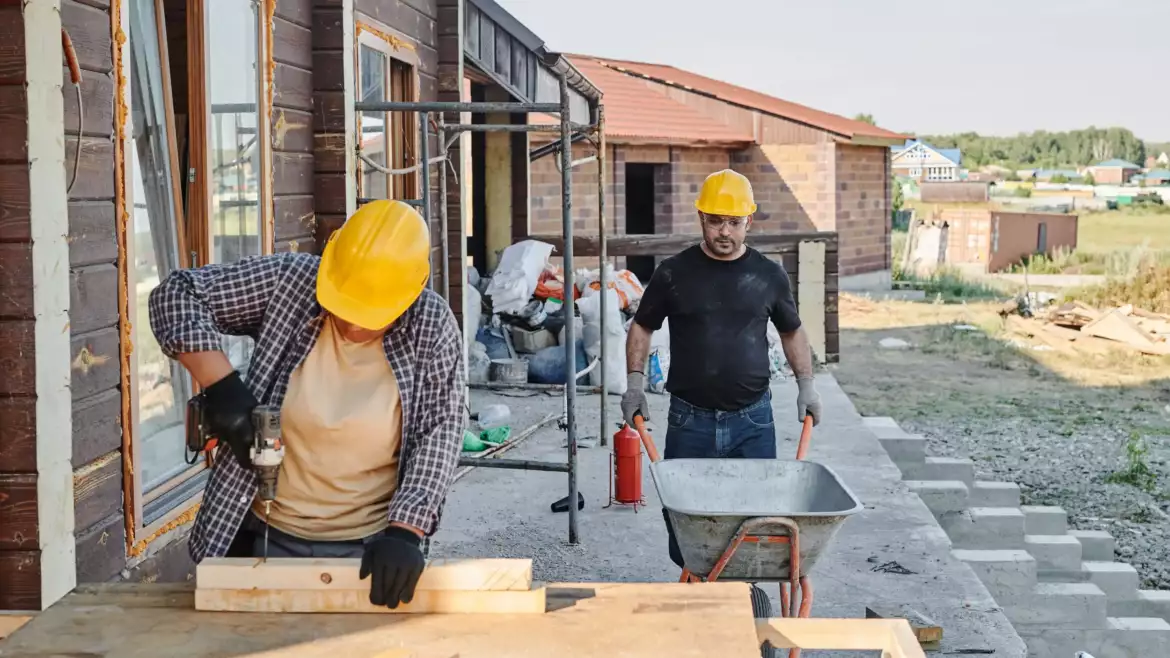
Starting a new job in construction can be exciting, but it also comes with responsibilities that workers need to take seriously from their first day. Construction sites can change quickly, with moving equipment, elevated work areas, tools, vehicles, materials, and multiple crews working in the same space. For someone new to the industry, knowing how to recognize and respond to these changing conditions is an important part of staying safe.
Good safety habits do not develop overnight. They are built through consistent actions, awareness, communication, and a willingness to follow established procedures. By developing the right habits from day one, new construction workers can become more confident while helping create a safer workplace for everyone.
Understand the Jobsite Before Starting Work
One of the first habits new workers should develop is taking time to understand their surroundings. Every construction site has its own layout, hazards, rules, and workflow.
Before beginning a task, workers should know where they are expected to work, which areas are restricted, where emergency exits and muster points are located, and how to report hazards. They should also pay attention to changing conditions throughout the shift.
A site that appears safe in the morning may look completely different later in the day after equipment, materials, or other crews have moved into the area. Staying aware of these changes helps workers avoid becoming too comfortable with their surroundings.
Make Hazard Awareness Part of Every Task
Safe workers do not only look for hazards when someone tells them to. They make hazard awareness part of their normal routine.
Before starting a task, consider what could go wrong. Could a tool malfunction? Is there a trip hazard nearby? Are materials properly stored? Is equipment operating close to the work area? Could weather or changing ground conditions affect the job?
This simple pause can help workers identify potential problems before they become incidents.
New workers should also ask questions when they are unsure about a task. Asking for clarification is not a weakness. It is a practical way to understand expectations and avoid making assumptions.
Learn to Work Around Heavy Equipment
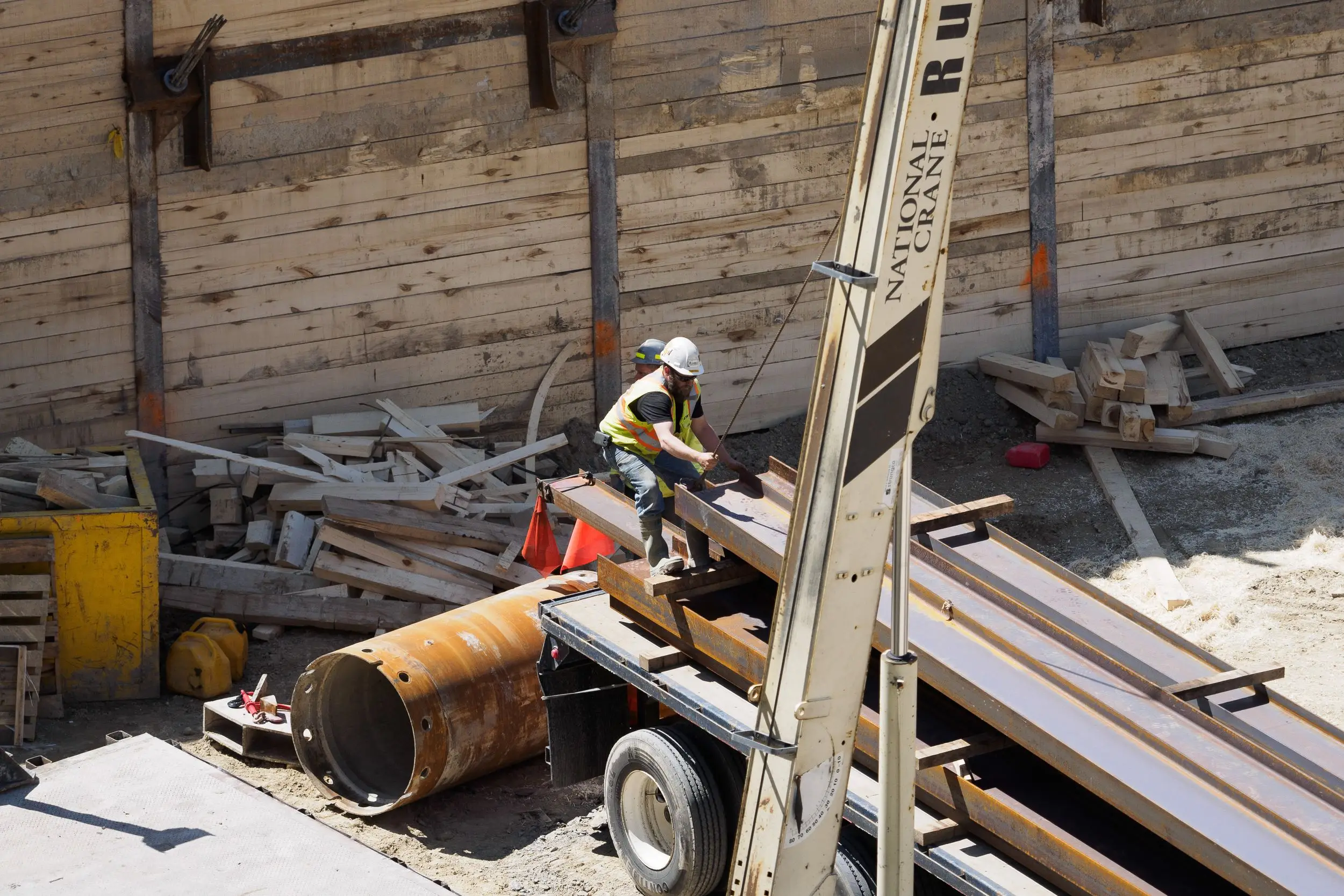
Construction sites often involve loaders, excavators, cranes, forklifts, skid steers, and other mobile equipment. These machines can create serious risks when workers and equipment operate in the same area.
One important concern is heavy equipment blind spots. Operators may not be able to see workers standing behind, beside, or near certain parts of a machine. Workers should never assume that an operator has seen them simply because they are nearby.
Stay out of equipment operating zones whenever possible, follow designated pedestrian routes, and maintain clear communication with operators. If you need to approach equipment, make sure the operator knows you are there and follow the site’s communication procedures.
Use Personal Protective Equipment Properly
Personal protective equipment is an important part of construction safety, but simply wearing PPE is not enough. Workers need to understand which equipment is required for specific tasks and how to use it correctly.
Depending on the work being performed, PPE may include hard hats, safety footwear, eye protection, hearing protection, gloves, high-visibility clothing, or fall protection equipment.
Workers should inspect their PPE before use and report damaged or unsuitable equipment. They should also understand that PPE is one part of a larger safety system. It should not replace safer work methods, hazard controls, or proper procedures.
Follow Instructions and Safe Work Procedures
New workers may be eager to demonstrate that they can work independently, but rushing to complete a task can create unnecessary risks.
Take time to understand the correct procedure before beginning unfamiliar work. Follow site rules, equipment instructions, and supervisor directions. If a task changes or conditions become unsafe, stop and ask what should happen next.
A strong safety first mindset means treating safe work practices as part of getting the job done rather than something that slows the job down.
Pay Attention to Tools and Equipment
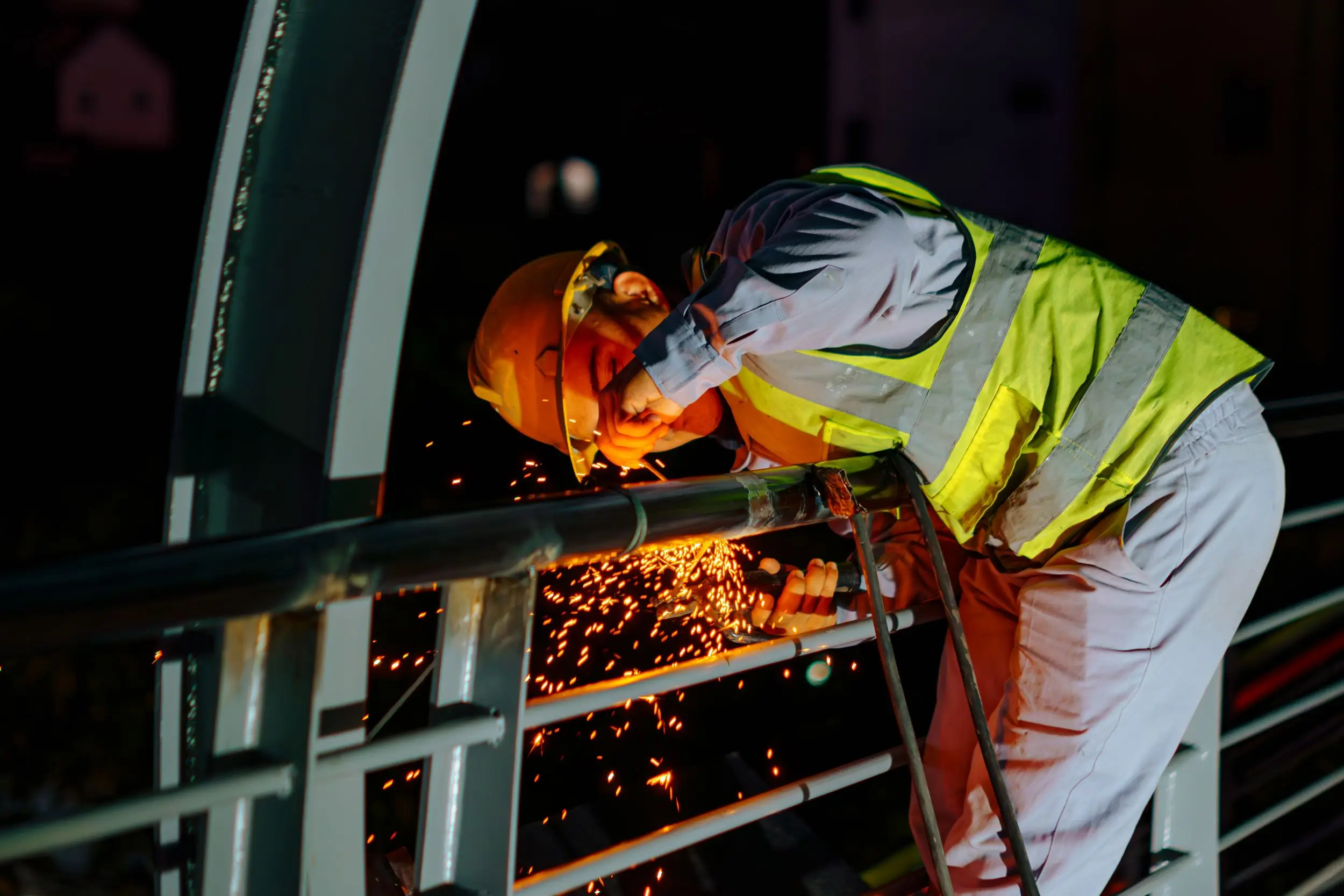
Construction tools can create hazards when they are damaged, improperly used, or handled without adequate knowledge.
Before using a tool or piece of equipment, workers should know what it is designed for and understand the relevant operating procedures. Check for visible damage, loose parts, defective guards, damaged cords, or other issues before use.
Never improvise with equipment or use a tool for a purpose it was not designed for. If something does not appear to be working correctly, report it rather than attempting an unsafe workaround.
Keep Work Areas Organized
Good housekeeping is one of the simplest ways to improve jobsite safety. Materials, cords, tools, debris, and waste can quickly create trip and fall hazards when they are left in walkways or work areas.
New workers should make cleanup part of the job rather than waiting until the end of the shift. Keep access routes clear, return tools to appropriate locations, and dispose of waste according to site procedures.
An organized work area can also make it easier to identify other hazards and move safely around the site.
Communicate With Your Crew
Communication plays an important role in preventing misunderstandings. Workers should communicate when moving materials, operating equipment, entering shared work areas, or changing the way a task is being performed.
If you notice a hazard, tell the appropriate person. If another worker points out a safety concern, take it seriously.
Good communication also includes understanding hand signals, warning systems, radio procedures, and site-specific communication methods when they are required.
Treat Orientation as the Start of Learning
A new worker’s initial safety instruction should provide a foundation for understanding the workplace, but learning should continue beyond the first day.
A construction safety introduction can help workers become familiar with common hazards, site expectations, emergency procedures, PPE, and safe work practices. From there, workers should continue building their knowledge through task-specific instruction, supervision, toolbox talks, and practical experience.
The goal is not simply to remember a list of rules. It is to develop habits that become part of everyday decision-making.
Build Habits That Last
The safest construction workers are not necessarily those who have been on the job the longest. They are often the people who remain attentive, follow procedures, communicate clearly, and recognize that conditions can change at any time.
For new workers, small habits can make a significant difference: look around before starting a task, use the right PPE, stay alert around equipment, keep work areas organized, ask questions, and speak up when something does not seem right.
Safety is not something that should be added after the work is planned. It should be part of how the work is approached from the beginning. By building these habits from day one, new construction workers can contribute to a safer, more aware, and more responsible jobsite.